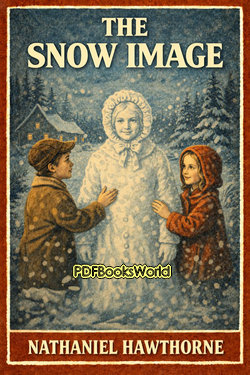
The Snow Image
by Nathaniel Hawthorne
A Delicate Winter Fantasy About Innocence, Imagination, and Loss
The Snow Image by Nathaniel Hawthorne is a gentle and deeply symbolic short story blending childhood imagination, fairy-tale fantasy, and emotional reflection. Through the magical creation of a snow child by two innocent siblings, Hawthorne explores themes of purity, wonder, parental skepticism, and the fragile beauty of imaginative life.
The story feels both enchanting and quietly melancholic, balancing childlike joy with an awareness of how easily innocence can disappear.
Children Create a Living Snow Child
The story follows two affectionate children, Violet and Peony, who spend a snowy winter day building a beautiful snow girl in their yard. Their imagination and emotional sincerity become so intense that the snow figure seems to come alive.
The Snow Image behaves like a real child, playing joyfully outdoors among the falling snowflakes while remaining connected to the cold winter world from which she emerged.
The children accept this magical presence naturally and lovingly.
Their practical and rational father, however, refuses to believe in the possibility of such wonder and attempts to bring the snow child indoors where she will be “safe.”
This decision leads toward the story’s quiet emotional tragedy.
The Figures Within the Winter Tale
- Violet and Peony
Imaginative and innocent children whose love and creativity give life to the Snow Image. - The Snow Image
A magical figure symbolizing purity, beauty, innocence, and the delicate nature of imagination. - The Father
A rational adult unable to fully understand the emotional truth of the children’s imaginative world.
The contrast between childhood wonder and adult practicality shapes the emotional center of the story.
The Fragility of Innocence and Imagination
One of the story’s most moving ideas is that innocence and imaginative beauty cannot survive unchanged when forced into the ordinary logic and control of adult reality.
The Snow Image belongs naturally to the outdoor winter landscape. Removing her from that environment destroys the magical conditions that allowed her existence.
Hawthorne suggests that imagination possesses its own emotional truth, even if adults dismiss it as impossible or irrational.
The story mourns the loss of wonder that often accompanies growing older.
Major Themes Running Through the Story
- Childhood Innocence
The children experience imagination and wonder with complete emotional sincerity. - Imagination Versus Rationality
Adult practicality conflicts with the emotional truth of fantasy and creativity. - Beauty and Fragility
The Snow Image represents something delicate and temporary. - Loss and Emotional Awakening
The story quietly reflects on how innocence cannot remain untouched forever.
Hawthorne’s Fairy-Tale Style
The Snow Image demonstrates Hawthorne’s gift for combining symbolic depth with simple storytelling. The narrative feels like a fairy tale, yet beneath its gentle surface lie emotional and philosophical reflections about childhood, perception, and human experience.
The snowy setting creates an atmosphere of purity, softness, and quiet enchantment.
Hawthorne’s restrained and graceful prose allows the emotional sadness of the ending to emerge naturally rather than dramatically.
Why the Story Still Touches Readers
Modern readers continue loving The Snow Image because it captures something emotionally universal: the tension between imagination and adulthood, innocence and experience, wonder and loss.
The story also remains powerful because it treats children’s imaginative worlds with seriousness and respect rather than dismissal.
For readers interested in symbolic fairy tales, classic children’s literature, and emotionally reflective short fiction, this story remains tender, haunting, and timeless.
Similar Genres
About the Author
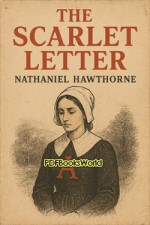
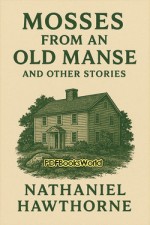
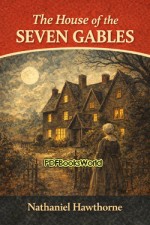
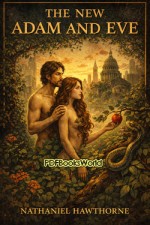
Nathaniel Hawthorne occupies a distinguished place in American literature for his masterful exploration of morality, guilt, and the complexities of human nature. Born in Salem, Massachusetts, in 1804, he drew inspiration from New England's colonial history and Puritan heritage, transforming historical settings into timeless works of fiction. Explore Nathaniel Hawthorne books to discover the author's life, literary career, and access notable works, including The Scarlet Letter, Mosses from an Old Manse and Other Stories, The House of the Seven Gables, The New Adam and Eve (From "Mosses from an Old Manse") , and more.