
The Sin of Monsieur Antoine, Volume 2 (of 2)
by George Sand
Deepening Conflicts and Expanding Social Questions
The Sin of Monsieur Antoine (Vol. II) by George Sand continues the ambitious social and philosophical narrative introduced in the first volume. As relationships become more complicated and underlying tensions emerge more clearly, the story moves beyond its initial setup to explore the consequences of personal choices and social inequalities. George Sand combines emotional drama with thoughtful reflection, creating a novel that examines both individual lives and the broader society in which they unfold.
In this volume, readers encounter a richer understanding of the characters' motivations and the forces shaping their decisions. The themes of justice, morality, and class become increasingly significant as the narrative progresses.
Characters Confront Difficult Realities
As the story develops, many of the characters are forced to confront challenges that test their beliefs and values. Relationships become strained by misunderstandings, conflicting interests, and social expectations. What may have seemed straightforward in the opening volume now reveals greater complexity.
George Sand excels at portraying individuals whose actions are influenced by both personal desires and external pressures. This realistic approach allows readers to appreciate the complexity of human behavior.
The Continuing Importance of Social Class
Questions of class and economic inequality remain central to the narrative. The interactions between individuals from different social backgrounds reveal both divisions and opportunities for mutual understanding. Sand examines how wealth and status affect personal freedom, shaping opportunities and influencing relationships.
Rather than presenting simple solutions, the novel encourages thoughtful consideration of the structures that create social advantages and disadvantages.
Major Themes Found Throughout the Volume
- Social Inequality: The impact of economic and class divisions.
- Moral Responsibility: The consequences of individual actions.
- Human Dignity: The value and worth of every person.
- Personal Growth: Learning through struggle, reflection, and experience.
These themes continue to shape the narrative and deepen its significance.
Idealism Versus Reality
A recurring element in George Sand's fiction is the tension between idealistic aspirations and practical realities. Characters often pursue noble goals or hold strong convictions, only to discover that the world presents obstacles that are not easily overcome.
In this volume, that conflict becomes increasingly visible. Readers witness the challenges of translating principles into action while remaining faithful to personal values.
George Sand's Compassionate Perspective
One of the reasons George Sand remains widely admired is her empathy for her characters. She rarely reduces individuals to heroes or villains. Instead, she portrays them as complex human beings influenced by circumstance, emotion, and belief.
This compassionate perspective enriches the novel, allowing readers to understand differing viewpoints even when characters disagree or make mistakes.
The Narrative Gains Momentum
As a middle volume, this section of the novel expands upon the foundations established earlier while preparing readers for future developments. Relationships evolve, conflicts intensify, and important questions remain unresolved. The growing complexity of the narrative keeps readers engaged and eager to discover how events will unfold.
The volume successfully balances character development with social commentary, maintaining both emotional and intellectual interest.
Why Readers Continue to Value the Novel
- Rich Characterization: Complex individuals facing meaningful challenges.
- Social Insight: Thoughtful exploration of class and inequality.
- Philosophical Depth: Questions about morality, justice, and responsibility.
- Emotional Engagement: Relationships that evolve in believable ways.
These strengths contribute to the novel's lasting literary significance.
Why The Sin of Monsieur Antoine (Vol. II) Remains Worth Reading
The Sin of Monsieur Antoine (Vol. II) deepens the themes and conflicts introduced in the opening volume, offering readers a compelling blend of social analysis and human drama. Through its examination of inequality, responsibility, and personal growth, George Sand continues to challenge readers to think critically about society while remaining emotionally invested in the lives of her characters. The volume stands as an important part of a novel that remains both intellectually rewarding and deeply humane.
Similar Genres
About the Author
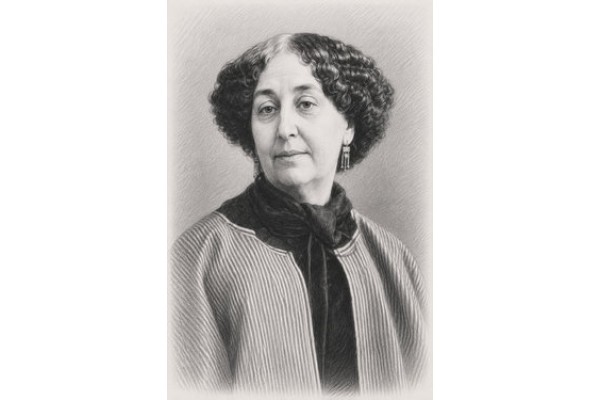
George Sand, the pen name of Amantine Lucile Aurore Dupin, was one of nineteenth-century France's most influential novelists and a pioneering voice in European literature. Born in Paris in 1804, she adopted a male pseudonym to navigate the literary world of her time and went on to produce an extraordinary body of work that explored love, freedom, social justice, and rural life. Explore George Sand books to discover the author's life, literary career, and access notable works, including Antonia, The Bagpipers, The Sin of Monsieur Antoine, Volume 1 (of 2) , and more.