
The Bagpipers
by George Sand
A Pastoral Novel of Rural Life, Music, and Human Emotion
The Bagpipers by George Sand is a lyrical pastoral novel that celebrates the beauty of rural life while exploring themes of love, tradition, community, and personal growth. Renowned for her deep appreciation of the countryside and its people, Sand creates a story rich in atmosphere and humanity. Through memorable characters and vivid descriptions of village life, she examines the emotional bonds that connect individuals to one another and to the cultural traditions that shape their world.
A Story Rooted in the Countryside
The novel is set within a rural community where daily life is closely tied to the rhythms of nature and local customs. Fields, forests, festivals, and village gatherings provide the backdrop for a narrative that emphasizes the simplicity and dignity of ordinary people. Sand portrays the countryside not merely as a setting but as a living force that influences character and behavior.
This strong sense of place is one of the work's defining qualities.
Major Characters
- The Young Protagonists: Individuals whose relationships and aspirations drive the story.
- The Bagpipers: Musicians who represent tradition, celebration, and cultural identity.
- Family Members: Relatives whose guidance and expectations shape important decisions.
- Villagers: Members of the community who contribute to the social fabric of the narrative.
Themes Explored Throughout the Novel
- Love: Romantic relationships and emotional commitment.
- Tradition: The preservation of customs, music, and community values.
- Nature: The influence of the natural world on human life.
- Community: Shared experiences and social connections.
- Personal Growth: Learning through experience and self-discovery.
The Importance of Music
Music plays a significant role in the novel, symbolizing both cultural heritage and emotional expression. The bagpipers serve as more than entertainers; they represent continuity between generations and help unite the community during celebrations and important events.
Through music, Sand highlights the enduring power of artistic traditions.
George Sand's Love of Rural Culture
George Sand frequently drew inspiration from the countryside of central France. Her pastoral novels often portray rural people with sympathy and respect, emphasizing their wisdom, resilience, and connection to the land. In The Bagpipers, she presents village life as a source of authenticity and human warmth.
Her descriptions combine realism with poetic sensitivity.
Nature and Human Experience
The natural landscape serves as both a physical setting and a symbolic presence throughout the story. Seasonal changes, agricultural activities, and outdoor gatherings mirror the emotional journeys of the characters. Nature becomes a reflection of the joys, struggles, and transformations that define human life.
This relationship between people and place gives the novel much of its charm.
Why the Novel Continues to Appeal
Readers continue to appreciate works that celebrate community, tradition, and the beauty of everyday life. The novel's themes of love, belonging, and cultural heritage remain meaningful across generations. Sand's compassionate portrayal of rural society offers a refreshing perspective on human relationships and values.
The story's warmth and sincerity contribute to its lasting popularity.
A Graceful Tribute to Music and Rural Life
The Bagpipers combines romance, cultural tradition, and pastoral beauty into a memorable and engaging narrative. Through vivid characters, evocative landscapes, and a deep appreciation for music and community, George Sand creates a novel that celebrates the richness of rural life and the enduring bonds that unite people. The result is a touching and timeless work of nineteenth-century literature.
Similar Genres
About the Author
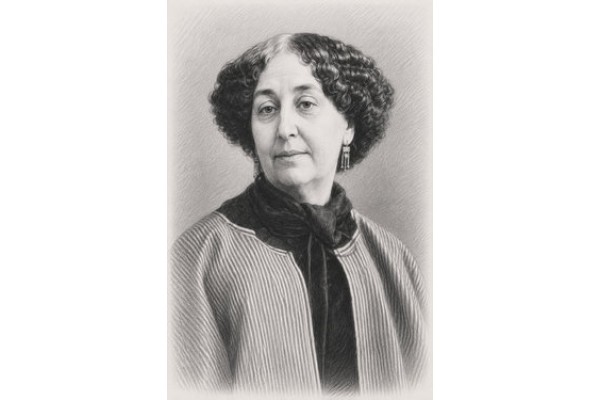
George Sand, the pen name of Amantine Lucile Aurore Dupin, was one of nineteenth-century France's most influential novelists and a pioneering voice in European literature. Born in Paris in 1804, she adopted a male pseudonym to navigate the literary world of her time and went on to produce an extraordinary body of work that explored love, freedom, social justice, and rural life. Explore George Sand books to discover the author's life, literary career, and access notable works, including Antonia, The Sin of Monsieur Antoine, Volume 1 (of 2), The Sin of Monsieur Antoine, Volume 2 (of 2) , and more.