
The Sin of Monsieur Antoine, Volume 1 (of 2)
by George Sand
Conflict, Idealism, and Society in a Changing World
The Sin of Monsieur Antoine (Vol. I) by George Sand introduces readers to a richly layered novel that combines social commentary, personal drama, and philosophical reflection. One of the most influential French novelists of the nineteenth century, George Sand frequently explored questions of justice, class, morality, and human relationships. In this first volume, she establishes the characters, conflicts, and social environment that will shape the larger narrative.
The novel unfolds against a backdrop of social change, where traditional structures and emerging ideas often collide. Through its characters and their struggles, the story examines how individuals respond to inequality, responsibility, and the pursuit of a more just society.
The Figure of Monsieur Antoine
At the center of the narrative stands Monsieur Antoine, a character whose actions, beliefs, and personal history influence many of the events that unfold. The title suggests that some perceived failing, mistake, or moral transgression lies at the heart of the story. Yet George Sand rarely presents human behavior in simple terms.
Rather than offering straightforward judgments, she encourages readers to consider the circumstances, motivations, and social conditions that shape individual choices. This nuanced approach gives the novel emotional and intellectual depth.
A Society Divided by Class
One of the major concerns of the novel is the relationship between different social classes. Sand was deeply interested in questions of economic inequality and social justice, and these concerns are reflected throughout the story. Characters from different backgrounds interact in ways that reveal both tensions and possibilities for understanding.
The novel explores how wealth, privilege, and poverty influence opportunities and relationships, encouraging readers to think critically about the structure of society.
Major Themes Found Throughout the Volume
- Social Justice: Questions of fairness, inequality, and reform.
- Morality: The complexity of judging human actions.
- Class Relations: Interactions between different social groups.
- Idealism: The pursuit of better social and personal conditions.
These themes form the foundation upon which the rest of the novel develops.
George Sand's Humanistic Vision
George Sand was known for her compassion toward her characters and her belief in the possibility of social improvement. Her novels often emphasize understanding rather than condemnation, portraying individuals as products of both personal choices and social circumstances.
In this volume, she introduces characters whose lives are shaped by ambition, loyalty, hardship, and hope. Their experiences reflect broader social issues while remaining deeply personal and emotionally engaging.
The Beginning of a Larger Story
As the first volume of a multi-part novel, this section focuses heavily on establishing relationships, motivations, and conflicts. Readers are introduced to the world of the story and the challenges that its characters must face. These foundations prepare the way for the developments and revelations that follow in later volumes.
The careful construction of the narrative allows readers to become invested in both the individuals and the social questions at the heart of the work.
Why Readers Continue to Appreciate the Novel
- Complex Characters: Individuals shaped by both personal desires and social pressures.
- Thoughtful Themes: Exploration of justice, morality, and class.
- Historical Insight: A reflection of nineteenth-century social concerns.
- Literary Depth: A blend of storytelling and philosophical inquiry.
These qualities have helped preserve George Sand's reputation as a major literary figure.
Why The Sin of Monsieur Antoine (Vol. I) Remains Worth Reading
The Sin of Monsieur Antoine (Vol. I) offers an engaging introduction to a novel that combines social criticism with compelling human drama. Through its examination of class, morality, and the search for justice, George Sand creates a narrative that is both intellectually stimulating and emotionally resonant. The volume remains a rewarding read for those interested in classic French literature and thoughtful explorations of society and human nature.
Similar Genres
About the Author
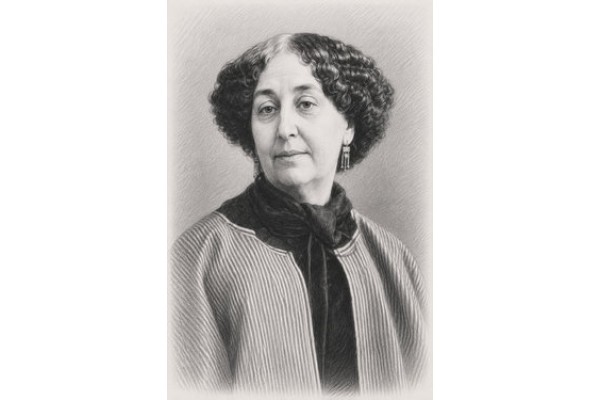
George Sand, the pen name of Amantine Lucile Aurore Dupin, was one of nineteenth-century France's most influential novelists and a pioneering voice in European literature. Born in Paris in 1804, she adopted a male pseudonym to navigate the literary world of her time and went on to produce an extraordinary body of work that explored love, freedom, social justice, and rural life. Explore George Sand books to discover the author's life, literary career, and access notable works, including Antonia, The Bagpipers, The Sin of Monsieur Antoine, Volume 2 (of 2) , and more.