The Seven Poor Travellers
by Charles Dickens
A Holiday Gathering Inside an Old House of Charity
In The Seven Poor Travellers, Charles Dickens turns a small charitable lodging house into the setting for a warm, reflective, and quietly emotional Christmas story. Instead of focusing on wealthy celebrations or grand events, the novella centers on ordinary people brought together by circumstance, memory, and shared humanity.
The story begins at a historic travelers’ refuge in Rochester, where poor visitors are given food and shelter for the night. Dickens uses this simple setting to explore generosity, companionship, loneliness, and the emotional meaning of Christmas.
The result feels intimate and conversational, more like a gathering of voices than a traditional dramatic plot.
Seven Strangers Share One Evening Together
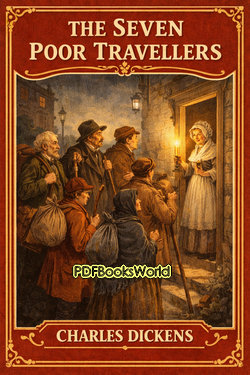
The narrator arrives at the old charitable house and joins six other travelers who have also been given temporary lodging. Although the visitors come from different backgrounds and experiences, the evening creates a brief sense of community among people who might otherwise remain strangers.
As food, conversation, and storytelling fill the night, the atmosphere slowly becomes reflective and emotional rather than merely festive.
The travelers represent people often overlooked by society:
- The lonely and forgotten
- The elderly and weary
- People living without comfort or stability
- Ordinary individuals carrying private hardships
Dickens treats them with sympathy and quiet dignity throughout the narrative.
The Storytelling Structure Creates a Personal Tone
Part of the novella’s charm comes from its informal and almost conversational structure. Dickens writes as though personally guiding readers through the evening and introducing them to each traveler one by one.
Rather than building suspense through dramatic action, the story depends on atmosphere, personality, and emotional observation.
The Lodging House
The old building becomes a symbol of temporary refuge and human kindness.
The Shared Meal
Food and conversation create warmth in contrast to the cold outside world.
The Individual Stories
Each traveler carries experiences that quietly reveal different forms of struggle and endurance.
This gentle structure gives the novella an intimate and reflective quality.
Dickens Focuses on Compassion Instead of Wealth
Like many of his Christmas writings, Dickens uses the story to highlight social inequality while encouraging empathy and generosity. The travelers possess little material wealth, yet the evening still contains moments of warmth, humor, and emotional connection.
The novella reflects several recurring Dickens themes:
- The importance of charity and kindness
- The emotional effects of poverty
- The value of companionship
- The dignity of ordinary people
- The spirit of Christmas beyond material celebration
These ideas help the story feel sincere rather than sentimental.
Rochester Adds History and Atmosphere
The setting in Rochester, a town strongly connected to Dickens’ life and imagination, gives the novella additional depth. The old streets, historic buildings, and winter atmosphere help create a mood shaped by memory and reflection.
The charitable house itself feels almost timeless, standing quietly apart from the busy outside world. Inside its walls, travelers find temporary comfort even while carrying uncertain futures.
This contrast between hardship and shelter strengthens the emotional impact of the story.
The Writing Balances Warmth With Quiet Sadness
Dickens avoids heavy drama in favor of smaller emotional moments. Humor appears naturally through conversation and personality, but there is also a gentle sadness beneath much of the story.
The travelers’ lives remind readers that many people experience loneliness and insecurity even during festive seasons. Yet Dickens never allows despair to fully dominate the narrative. Compassion and shared humanity remain stronger than hopelessness.
A Small Christmas Story With Lasting Emotional Power
The Seven Poor Travellers remains memorable because of its simplicity and emotional sincerity. Charles Dickens creates a story where kindness matters more than wealth and where even temporary companionship can bring comfort to difficult lives.
Readers interested in reflective holiday fiction and character-focused Victorian storytelling may appreciate the novella’s warm atmosphere and humane perspective. Beneath its modest setting lies a thoughtful meditation on generosity, memory, and the quiet dignity of ordinary people.
Similar Genres
About the Author
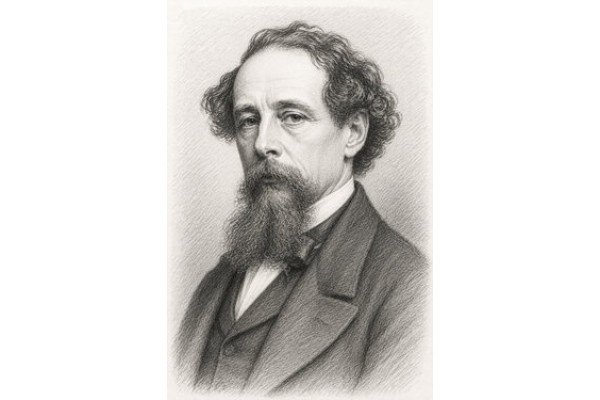
Charles Dickens transformed the Victorian novel into a powerful reflection of everyday life, giving a voice to the poor, the forgotten, and the disadvantaged. Born in Portsmouth, England, in 1812, he experienced financial hardship during his childhood, an experience that deeply influenced his writing. Explore Charles Dickens books to discover the author's life, literary career, and access notable works, including A Tale of Two Cities, Great Expectations, A Christmas Carol, Oliver Twist , and more.