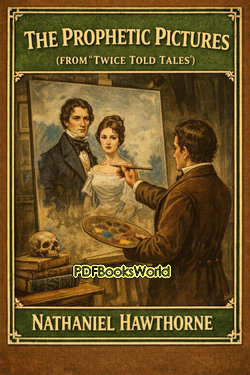
The Prophetic Pictures (From "Twice Told Tales")
by Nathaniel Hawthorne
A Dark Tale of Art, Fate, and Psychological Fear
The Prophetic Pictures by Nathaniel Hawthorne, included in Twice-Told Tales, is a gothic and symbolic short story exploring destiny, emotional obsession, artistic vision, and the disturbing possibility that art may reveal hidden truths about the future. Through the mysterious work of a painter whose portraits seem almost supernatural in their insight, Hawthorne creates an atmosphere filled with unease, fascination, and psychological tension.
The story blends romance, suspense, and symbolism while questioning whether human fate can be foreseen or escaped.
A Painter Creates Unsettling Portraits
The narrative centers on a talented artist known for producing portraits that appear strangely prophetic. Rather than simply capturing outward appearance, his paintings seem to reveal hidden aspects of personality and emotional destiny.
When a young couple commissions portraits before their marriage, the artist becomes troubled by what he senses beneath their happiness.
The finished paintings contain subtle expressions and emotional hints suggesting future suffering, conflict, and darkness within the relationship.
As time passes, the marriage gradually begins reflecting the disturbing emotional truths implied within the portraits themselves.
The characters become increasingly haunted by the possibility that the paintings predicted their fate from the beginning.
The Figures Within Hawthorne’s Gothic Drama
- The Painter
An artist possessing uncanny psychological and possibly prophetic insight. - The Young Husband
A man whose emotional nature gradually darkens after marriage. - The Young Wife
A sensitive woman caught within growing emotional tension and fear.
The relationships remain shaped by anxiety, emotional transformation, and the fear of inevitable destiny.
Art as a Mirror of Hidden Truth
One of the story’s most powerful ideas is that art may reveal deeper realities invisible to ordinary perception. The painter’s portraits seem capable of exposing hidden emotional tendencies and future possibilities already present beneath outward appearances.
Hawthorne suggests that human character itself may contain the seeds of future tragedy long before events fully unfold.
The paintings therefore become symbolic mirrors reflecting psychological and moral truth rather than simple physical likeness.
Major Themes Running Through the Story
- Fate and Predestination
The story questions whether future suffering can already exist within present character. - Art and Psychological Insight
Portraiture becomes a means of revealing hidden emotional truth. - Marriage and Emotional Transformation
Relationships gradually reveal darker aspects of personality and desire. - Fear and Self-Fulfilling Prophecy
Awareness of possible destiny may itself influence human behavior.
Hawthorne’s Gothic Symbolism and Psychological Depth
The Prophetic Pictures demonstrates Hawthorne’s talent for combining supernatural suggestion with psychological realism. The story never fully explains whether the painter possesses genuine prophetic power or extraordinary emotional intuition.
This ambiguity creates lasting tension and mystery.
The gothic atmosphere, emotional restraint, and symbolic imagery give the narrative a haunting emotional intensity.
Why the Story Still Fascinates Readers
Modern readers continue finding The Prophetic Pictures compelling because of its exploration of art, psychology, and the fear that hidden truths about human nature may already shape the future.
The story also feels modern in its interest in subconscious emotion, self-destruction, and the power of interpretation.
For readers interested in gothic fiction, symbolic storytelling, psychological literature, and eerie tales about art and destiny, this work remains unsettling, elegant, and deeply memorable.
Similar Genres
About the Author
Nathaniel Hawthorne occupies a distinguished place in American literature for his masterful exploration of morality, guilt, and the complexities of human nature. Born in Salem, Massachusetts, in 1804, he drew inspiration from New England's colonial history and Puritan heritage, transforming historical settings into timeless works of fiction. Explore Nathaniel Hawthorne books to discover the author's life, literary career, and access notable works, including The Scarlet Letter, Mosses from an Old Manse and Other Stories, The House of the Seven Gables, The New Adam and Eve (From "Mosses from an Old Manse") , and more.