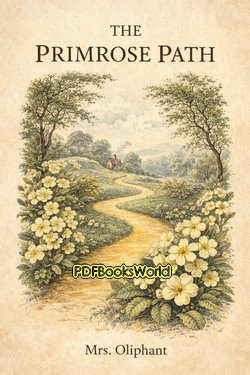
The Primrose Path: A Chapter in the Annals of the Kingdom of Fife
by Mrs. Oliphant
A Rich Victorian Novel of Society, Morality, and Human Frailty
The Primrose Path: A Chapter in the Annals of the Kingdom of Fife by Mrs. Oliphant is a thoughtful Victorian novel exploring moral temptation, social expectation, and the consequences of human weakness within a closely observed Scottish setting. Known for her sensitive portrayals of domestic life and emotional complexity, Mrs. Oliphant creates a narrative shaped by personal conflict, community judgment, and the quiet pressures of provincial society.
The phrase “primrose path” traditionally suggests an easy or pleasurable route that ultimately leads toward trouble or moral decline. Through relationships, ambitions, and difficult choices, the novel examines how ordinary individuals may gradually drift into emotional or ethical danger while attempting to secure happiness or social advancement.
Set within the historical and cultural atmosphere of Fife in Scotland, the story combines regional character with universal themes of love, reputation, duty, and regret.
The work blends domestic fiction with social realism and moral reflection.
The Meaning of the “Primrose Path”
The Primrose Path: A symbolic expression referring to the seductive attraction of comfort, vanity, passion, or careless living that may eventually lead to suffering or disappointment.
The narrative likely follows individuals navigating family obligations, romantic entanglements, financial pressures, and social ambition within a tightly connected community where reputation carries enormous importance.
Moments of emotional conflict and personal compromise may slowly reshape the lives of the characters, revealing how seemingly small decisions can produce lasting consequences.
The atmosphere combines emotional subtlety, social observation, and quiet dramatic tension.
The Literary Style of Mrs. Oliphant
Mrs. Oliphant, one of the most respected Victorian novelists, wrote with psychological sensitivity and remarkable understanding of family and social relationships. Her fiction frequently explored middle-class domestic life, moral uncertainty, and the emotional realities hidden beneath outward respectability.
Her prose is elegant yet approachable, balancing reflective passages with realistic dialogue and carefully developed character interaction.
Oliphant’s ability to portray emotional nuance gives the novel warmth, intelligence, and enduring literary appeal.
Main Themes and Social Reflection
The novel explores themes of morality, temptation, reputation, family duty, emotional longing, social pressure, regret, class expectation, personal responsibility, and the fragile balance between appearance and reality.
Through domestic relationships and community life, the narrative examines how Victorian society shaped personal behavior and constrained individual desire.
The Scottish setting also contributes a strong sense of place, grounding the emotional conflicts within a distinct regional culture and historical atmosphere.
Why the Novel Still Holds Interest
The Primrose Path remains compelling because readers continue to appreciate character-driven fiction that examines moral and emotional complexity with realism and compassion.
Fans of Victorian literature often admire Mrs. Oliphant’s ability to create believable social worlds where personal struggles emerge naturally from everyday circumstances rather than sensational drama alone.
The novel’s emotional intelligence and moral subtlety continue to make it rewarding for modern readers interested in classic literary fiction.
The Lasting Importance of Victorian Domestic Fiction
Victorian domestic novels played a major role in exploring the emotional and social realities of nineteenth-century life. Writers such as Mrs. Oliphant examined the pressures of marriage, family responsibility, social respectability, and economic uncertainty through deeply human storytelling.
These works helped shape modern psychological realism by focusing on ordinary individuals confronting moral dilemmas and emotional conflict within recognizable social environments.
The continuing fascination with Victorian society and literary realism helps preserve appreciation for novels like this.
Final Thoughts
The Primrose Path: A Chapter in the Annals of the Kingdom of Fife by Mrs. Oliphant is an emotionally rich and socially observant Victorian novel exploring temptation, reputation, and the hidden complexities of everyday life. Through thoughtful characterization and moral reflection, Oliphant creates a moving portrait of individuals navigating the difficult path between desire, duty, and consequence.
For readers interested in Victorian fiction, Scottish literature, domestic realism, and psychologically nuanced storytelling, this work remains both engaging and deeply rewarding.
Similar Genres
About the Author
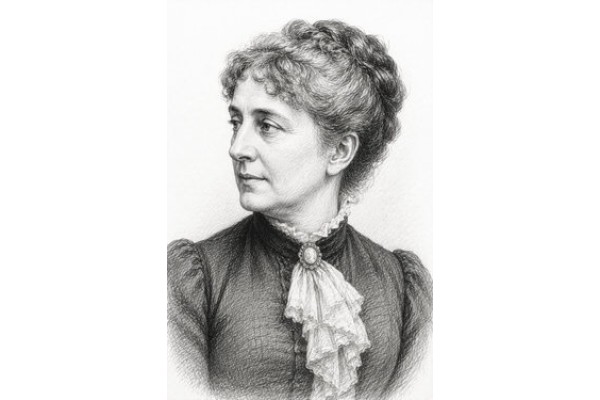
Mrs. Oliphant, the literary name of Margaret Oliphant Wilson Oliphant, was one of the Victorian era's most accomplished and prolific authors. Born in Scotland in 1828, she produced an extraordinary body of work that included novels, biographies, historical studies, literary criticism, and short stories. Explore Mrs. Oliphant books to discover the author's life, literary career, and access notable works, including Merkland or Self Sacrifice, He that will not when he may - Vol. I, He that will not when he may - Vol. II, He that will not when he may - Vol. III , and more.