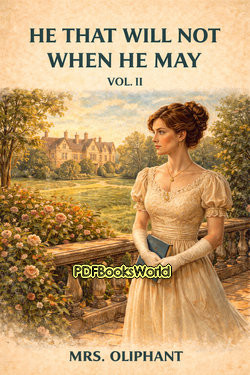
He that will not when he may - Vol. II
by Mrs. Oliphant
Consequences, Reconciliation, and Emotional Resolution in Victorian Society
He that will not when he may - Vol. II by Mrs. Oliphant continues the emotional and social conflicts introduced in the first volume, deepening its exploration of love, hesitation, family influence, and personal responsibility within Victorian society. Through careful psychological observation and domestic realism, the novel examines how delayed choices and emotional uncertainty shape the lives of individuals seeking happiness and stability.
Mrs. Oliphant presents social life as a delicate balance between personal desire, moral obligation, and public expectation, where even small decisions may carry lasting consequences.
The Development of Emotional Conflict
In the second volume, relationships become more complicated as misunderstandings, pride, and emotional restraint continue affecting the characters’ futures. Conversations, family pressures, and changing circumstances gradually force individuals to confront truths they previously avoided.
The emotional tension grows as opportunities for reconciliation appear alongside fears of disappointment and social embarrassment. Mrs. Oliphant carefully develops the psychological complexity of her characters, emphasizing hesitation and inner conflict rather than dramatic external action.
Rather than relying upon sensational events, the narrative builds interest through emotional realism and the slow unfolding of personal relationships.
Characters
- The Central Heroine: A thoughtful woman attempting to balance emotional honesty with social expectation.
- The Uncertain Suitor: A man whose hesitation and pride continue shaping the central conflict.
- Family Influences: Relatives whose opinions and ambitions affect personal relationships.
- Members of Society: Figures representing Victorian ideas of respectability, class, and propriety.
Choice and Responsibility
A major theme throughout the novel is the importance of acting decisively when opportunities for happiness and honesty arise. Mrs. Oliphant repeatedly explores how indecision may create suffering not only for individuals themselves, but also for those around them.
The work also reflects Victorian concerns regarding marriage, domestic stability, and social reputation. Emotional restraint and fear of public judgment strongly influence the characters’ behavior.
At the same time, the novel quietly suggests that compassion, understanding, and sincerity offer the possibility of reconciliation and emotional growth.
This combination of realism and emotional sensitivity gives the narrative enduring literary appeal.
Literary Themes Explored Throughout the Novel
- Love and Emotional Restraint: Characters struggle to express genuine feeling openly.
- Consequences of Hesitation: Delayed decisions create emotional hardship and misunderstanding.
- Family and Social Pressure: Public expectations influence private relationships.
- Marriage and Respectability: Victorian social values shape personal choices.
- Psychological Realism: Inner emotions and moral conflict drive the narrative.
Mrs. Oliphant’s Domestic Realist Style
He that will not when he may - Vol. II demonstrates Mrs. Oliphant’s talent for portraying ordinary domestic life with emotional depth and social insight. Her writing remains graceful, thoughtful, and strongly focused upon conversation, character psychology, and moral reflection.
Mrs. Oliphant consistently presents everyday social interaction as emotionally significant and morally revealing.
Why the Novel Still Holds Literary Interest
Modern readers continue finding He that will not when he may engaging because its themes of emotional uncertainty, missed opportunity, family influence, and personal responsibility remain recognizable today. The novel also offers valuable insight into Victorian domestic fiction and the social expectations shaping nineteenth-century relationships.
Its themes of love, morality, social pressure, and emotional growth continue appealing to readers interested in Victorian literature, family drama, and psychological realism.
Similar Genres
About the Author
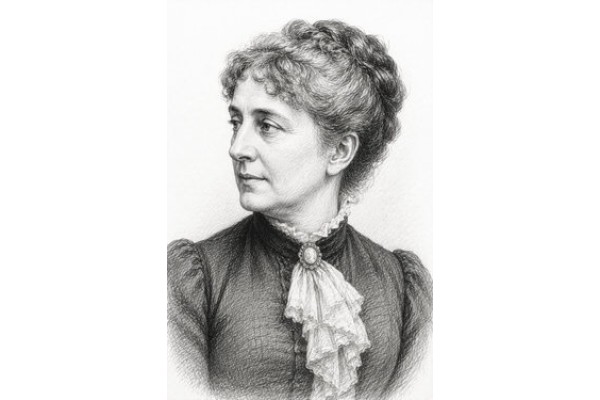
Mrs. Oliphant, the literary name of Margaret Oliphant Wilson Oliphant, was one of the Victorian era's most accomplished and prolific authors. Born in Scotland in 1828, she produced an extraordinary body of work that included novels, biographies, historical studies, literary criticism, and short stories. Explore Mrs. Oliphant books to discover the author's life, literary career, and access notable works, including Merkland or Self Sacrifice, He that will not when he may - Vol. I, He that will not when he may - Vol. III, In Trust - The Story of a Lady and Her Lover , and more.