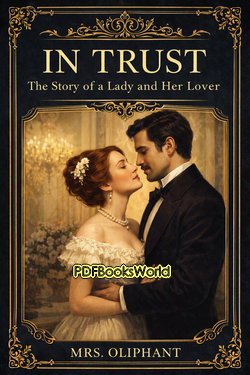
In Trust - The Story of a Lady and Her Lover
by Mrs. Oliphant
Love, Duty, and Emotional Sacrifice in Victorian Society
In Trust : The Story of a Lady and Her Lover by Mrs. Oliphant is a Victorian novel of romance, emotional conflict, and social responsibility exploring the complex relationship between love, morality, and personal duty. Known for her sensitive portrayals of domestic and psychological life, Mrs. Oliphant combines emotional realism with social observation while examining how personal desires often conflict with reputation, family expectation, and ethical obligation.
The novel presents love not as simple happiness alone, but as an emotional force shaped by sacrifice, restraint, and the pressures of social convention.
A Relationship Tested by Society
The story follows a lady whose emotional life becomes deeply intertwined with that of her lover amid a world governed by Victorian expectations concerning class, reputation, and moral conduct. Affection and devotion develop alongside uncertainty, misunderstanding, and social pressure.
As the relationship deepens, both characters confront difficult choices involving loyalty, personal honor, and the responsibilities imposed by family and society. Emotional tension grows because genuine feeling cannot easily overcome the restrictive structures surrounding them.
Rather than relying upon dramatic sensationalism alone, the novel builds emotional depth through subtle psychological conflict and moral reflection.
Characters
- The Lady: A thoughtful and emotionally complex woman struggling between personal desire and social duty.
- The Lover: A devoted yet conflicted figure whose relationship becomes shaped by circumstance and moral pressure.
- Family and Social Figures: Individuals representing Victorian expectations, judgment, and social influence.
Love, Morality, and Social Expectation
A major theme throughout the novel is the tension between emotional truth and social respectability. Mrs. Oliphant repeatedly explores how Victorian society restricted personal freedom through expectations surrounding gender, class, marriage, and reputation.
The work also reflects the emotional restraint and moral seriousness characteristic of Victorian domestic fiction. Conversations, silences, and personal decisions often carry enormous emotional significance.
At the same time, the novel emphasizes compassion, loyalty, and quiet endurance in the face of disappointment and emotional hardship.
This combination of psychological realism and romantic tension gives the story lasting literary appeal.
Literary and Social Themes Explored Throughout the Novel
- Love and Emotional Sacrifice: Personal affection conflicts with social and moral obligations.
- Victorian Social Expectations: Reputation and class strongly influence personal relationships.
- Women and Emotional Constraint: Female characters navigate restrictive social roles.
- Morality and Personal Duty: Characters struggle to balance desire with ethical responsibility.
- Psychological Realism: Emotional tension develops through subtle internal conflict.
Mrs. Oliphant’s Reflective Style
In Trust : The Story of a Lady and Her Lover demonstrates Mrs. Oliphant’s talent for combining emotional sensitivity with careful social observation and psychological depth. Her writing remains graceful, thoughtful, and strongly focused upon the hidden emotional lives of her characters.
Mrs. Oliphant consistently portrays ordinary domestic situations as deeply meaningful moral and emotional experiences.
Why the Novel Still Holds Literary Interest
Modern readers continue finding In Trust : The Story of a Lady and Her Lover compelling because its themes of love, duty, emotional restraint, and social pressure remain timeless and psychologically recognizable. The novel also provides insight into Victorian attitudes toward relationships, morality, and women’s social roles.
Its themes of romance, emotional conflict, family expectation, morality, and social convention continue appealing to readers interested in Victorian fiction, women’s literature, domestic novels, and psychological realism.
Similar Genres
About the Author
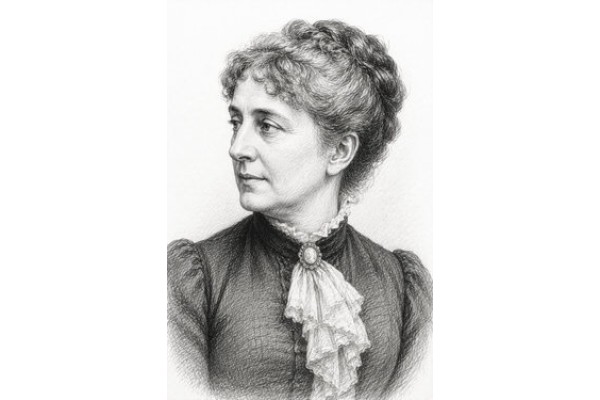
Mrs. Oliphant, the literary name of Margaret Oliphant Wilson Oliphant, was one of the Victorian era's most accomplished and prolific authors. Born in Scotland in 1828, she produced an extraordinary body of work that included novels, biographies, historical studies, literary criticism, and short stories. Explore Mrs. Oliphant books to discover the author's life, literary career, and access notable works, including Merkland or Self Sacrifice, He that will not when he may - Vol. I, He that will not when he may - Vol. II, He that will not when he may - Vol. III , and more.