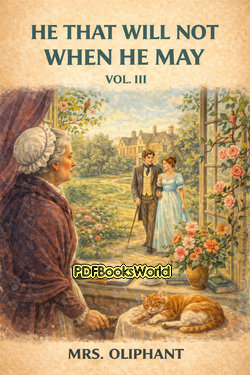
He that will not when he may - Vol. III
by Mrs. Oliphant
Resolution, Reflection, and the Consequences of Human Choice
He that will not when he may - Vol. III by Mrs. Oliphant brings the emotional and social conflicts of the earlier volumes toward resolution while continuing its thoughtful examination of love, duty, hesitation, and moral responsibility within Victorian society. Through realistic characterization and careful psychological insight, the novel explores how personal choices ultimately shape happiness, regret, and reconciliation.
Mrs. Oliphant presents human relationships as deeply influenced by both emotional sincerity and the social expectations governing nineteenth-century domestic life.
The Final Stages of the Story
In the concluding volume, tensions created by misunderstanding, pride, and indecision gradually move toward clarity. Long-delayed truths emerge as characters confront the emotional consequences of earlier actions and missed opportunities.
Relationships strained by silence and hesitation are tested through changing circumstances, forcing individuals to decide whether honesty, forgiveness, and courage can overcome past mistakes. Family influence and public opinion continue shaping events, yet personal growth becomes increasingly important as the story nears its conclusion.
Rather than relying upon sensational drama, Mrs. Oliphant builds emotional impact through realistic conversation, social interaction, and gradual psychological development.
Characters
- The Central Heroine: A woman whose emotional maturity and resilience shape the moral center of the story.
- The Hesitant Gentleman: A character forced to confront the results of indecision and emotional restraint.
- Family and Social Influences: Relatives and acquaintances whose expectations affect personal relationships.
- Supportive Friends and Observers: Figures offering advice, sympathy, or criticism throughout the unfolding conflict.
Growth Through Experience
A major theme throughout the final volume is the importance of emotional honesty and decisive action. Mrs. Oliphant repeatedly suggests that fear and hesitation may prevent happiness, while sincerity and self-awareness offer the possibility of reconciliation and personal peace.
The work also reflects Victorian interest in domestic morality, marriage, and the balance between individual feeling and social responsibility. Reputation and propriety remain important, yet emotional understanding gradually becomes more valuable than public appearance alone.
This combination of realism and moral reflection gives the novel lasting literary strength.
Literary Themes Explored Throughout the Novel
- Love and Reconciliation: Emotional conflict moves toward understanding and resolution.
- The Consequences of Indecision: Delayed choices shape personal suffering and regret.
- Family and Social Expectation: Victorian society influences relationships and moral judgment.
- Personal Growth and Self-Knowledge: Characters mature through emotional hardship and reflection.
- Domestic Realism: Everyday social life becomes the setting for psychological and moral drama.
Mrs. Oliphant’s Emotional Realism
He that will not when he may - Vol. III demonstrates Mrs. Oliphant’s ability to portray ordinary human relationships with subtle emotional depth and social insight. Her writing remains graceful, thoughtful, and strongly focused upon character psychology and moral complexity.
Mrs. Oliphant consistently presents domestic life as emotionally meaningful and socially revealing.
Why the Novel Still Holds Literary Interest
Modern readers continue finding He that will not when he may engaging because its themes of emotional hesitation, missed opportunity, reconciliation, and personal responsibility remain timeless and recognizable. The novel also provides valuable insight into Victorian domestic fiction and the cultural expectations shaping nineteenth-century social life.
Its themes of love, morality, family influence, and emotional maturity continue appealing to readers interested in Victorian literature, domestic realism, and psychological character studies.
Similar Genres
About the Author
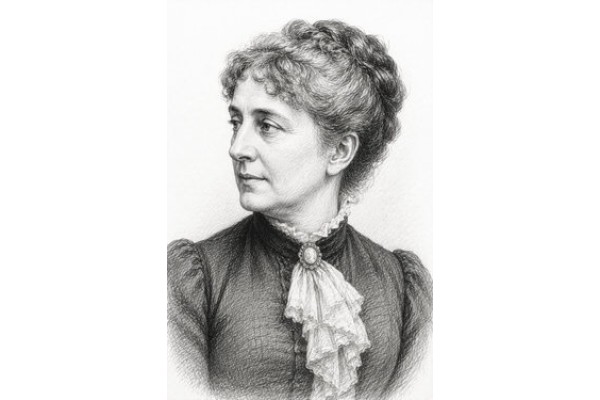
Mrs. Oliphant, the literary name of Margaret Oliphant Wilson Oliphant, was one of the Victorian era's most accomplished and prolific authors. Born in Scotland in 1828, she produced an extraordinary body of work that included novels, biographies, historical studies, literary criticism, and short stories. Explore Mrs. Oliphant books to discover the author's life, literary career, and access notable works, including Merkland or Self Sacrifice, He that will not when he may - Vol. I, He that will not when he may - Vol. II, In Trust - The Story of a Lady and Her Lover , and more.