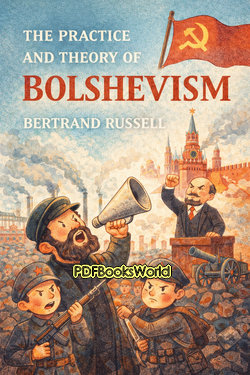
The Practice and Theory of Bolshevism
by Bertrand Russell
A Philosophical Examination of Revolution, Power, and Soviet Society
The Practice and Theory of Bolshevism by Bertrand Russell is a penetrating political and philosophical study of the Bolshevik Revolution and the emerging Soviet system following the Russian Revolution. Based partly on Russell’s visit to Soviet Russia in 1920, the book combines firsthand observation with critical analysis of communism, revolutionary ideology, political authority, economics, and human freedom.
Russell approaches Bolshevism with intellectual seriousness and sympathy for its social goals while remaining deeply skeptical of its authoritarian tendencies.
A Revolution Attempting to Reshape Society
The book examines the Bolshevik effort to transform Russia politically, economically, and socially after the collapse of the old imperial order. Russell studies the ideals behind revolutionary communism, including economic equality, worker control, and opposition to capitalism and aristocratic privilege.
At the same time, he carefully observes the harsh realities emerging within the new Soviet system.
Russell describes political centralization, restrictions on liberty, censorship, economic difficulty, and the growing power of the revolutionary state.
He becomes particularly concerned that a movement founded upon liberation may evolve into a rigid structure demanding obedience and suppressing intellectual freedom.
The book therefore balances admiration for revolutionary idealism with anxiety regarding authoritarian power.
The Political and Intellectual Forces Within the Book
- Bolshevism and Revolutionary Socialism: Russell examines communist attempts to reorganize society around economic equality and collective control.
- The Soviet State and Centralized Authority: The emerging political system concentrates power in the hands of revolutionary leadership.
- Freedom and Intellectual Independence: Russell worries that political conformity may destroy creativity and critical thought.
- Economic and Social Transformation: The revolution seeks to reshape labor, property, education, and class structure.
Russell consistently evaluates political systems according to their effects on ordinary human wellbeing and freedom.
Can Equality Exist Without Oppression?
One of the book’s strongest ideas is the tension between collective equality and individual liberty. Russell sympathizes with efforts to reduce poverty, exploitation, and economic injustice, yet he fears systems concentrating excessive authority within the state or political party.
He argues that genuine social progress requires not only economic reform, but also freedom of thought, open discussion, and protection against authoritarian control.
The book repeatedly questions whether revolutionary movements can preserve humanity and intellectual openness once they acquire power.
This philosophical tension gives the work lasting political significance.
Russell’s Balanced and Independent Political Analysis
The Practice and Theory of Bolshevism demonstrates Bertrand Russell’s remarkable ability to analyze controversial political movements without falling into simple admiration or outright condemnation.
He writes with intellectual independence, acknowledging both the moral appeal and the practical dangers of revolutionary socialism.
Russell’s prose remains clear, analytical, and deeply concerned with human freedom and dignity rather than ideological loyalty.
Why the Book Still Feels Important
Modern readers continue finding The Practice and Theory of Bolshevism highly relevant because its central questions remain unresolved in political life today. Debates surrounding equality, centralized power, socialism, authoritarianism, revolution, and individual liberty continue shaping modern political systems and ideological conflicts.
The book also provides valuable historical insight into early international reactions to Soviet communism from one of the twentieth century’s leading philosophers.
For readers interested in political philosophy, Russian history, revolutionary movements, socialism, and the relationship between power and freedom, this work remains insightful, balanced, and intellectually challenging.
Similar Genres
About the Author
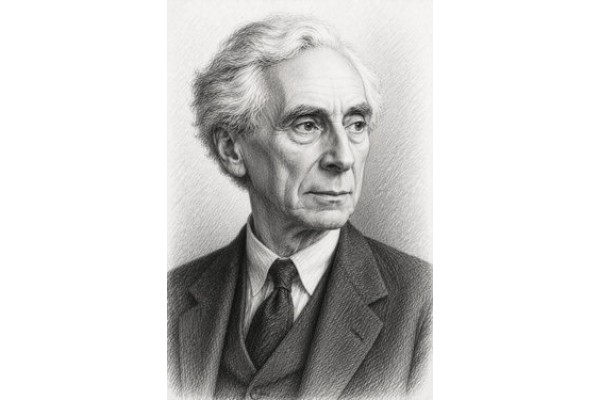
Bertrand Russell was one of the twentieth century's most influential philosophers, mathematicians, and public intellectuals. Born in Wales in 1872, he devoted his life to the pursuit of knowledge, using clear reasoning and careful analysis to examine some of humanity's most important questions. Explore Bertrand Russell books to discover the author's life, literary career, and access notable works, including Mysticism and Logic and Other Essays, The Problems of Philosophy, The Analysis of Mind, Proposed Roads to Freedom , and more.