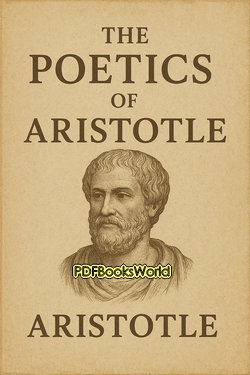
The Poetics of Aristotle
by Aristotle
A Foundational Work That Shaped Literary Criticism and Dramatic Theory
The Poetics by Aristotle is one of the most influential works of literary theory and philosophy ever written. Composed in ancient Greece during the fourth century BCE, the text examines the nature of poetry, tragedy, storytelling, and artistic expression.
The book became the foundation of literary criticism and dramatic theory in Western culture. Through careful analysis of tragedy and epic poetry, Aristotle explains how stories affect audiences emotionally and intellectually.
About the Author
Aristotle was an ancient Greek philosopher and scholar whose ideas shaped philosophy, science, ethics, politics, and literature for centuries. A student of Plato and teacher of Alexander the Great, Aristotle became one of the most influential thinkers in history.
His writings explored many subjects, but The Poetics remains especially important because of its lasting influence on storytelling, theater, and literary analysis.
Main Themes of the Work
The book focuses mainly on tragedy and the structure of effective storytelling. Aristotle studies how plots, characters, language, and emotions work together to create meaningful dramatic experiences.
Important Topics Discussed
- The structure of tragedy
- Plot, character, and dramatic conflict
- The emotional impact of storytelling
- The purpose of poetry and art
Aristotle argues that successful stories should follow a logical structure and create emotional engagement through carefully developed events and characters.
The Concept of Tragedy
One of Aristotle’s most famous ideas is his explanation of tragedy as a form of art that produces “catharsis,” or emotional purification. According to Aristotle, tragedy allows audiences to experience emotions such as fear and pity in a meaningful and controlled way.
He also explains the importance of plot structure, especially the role of reversal, recognition, and dramatic tension in creating powerful stories.
What Makes the Work Unique
- Early analysis of storytelling techniques
- Influential theory of tragedy and catharsis
- Foundation of dramatic and literary criticism
Writing Style
Aristotle’s writing style is analytical, logical, and philosophical. Rather than telling stories, he examines how literature functions and why certain forms of storytelling are effective.
The text combines observation with theory, creating a systematic approach to understanding literature and dramatic art.
Historical Importance
The Poetics became one of the most important works in the history of Greek drama and literary theory. Its ideas influenced playwrights, poets, critics, and scholars for centuries across Europe and beyond.
Historical Features
- Foundation of Western literary criticism
- Major influence on theater and storytelling
- Development of dramatic theory and analysis
The work also preserved valuable insights into ancient Greek theater and artistic culture.
Lessons for Modern Readers
Modern readers continue to study The Poetics because its ideas about storytelling, emotion, and dramatic structure remain relevant in literature, film, theater, and modern media.
The book encourages readers to think critically about how stories influence emotions, values, and human understanding.
Conclusion
The Poetics by Aristotle remains a timeless and influential work that shaped the study of literature and dramatic art. Through logical analysis and philosophical insight, Aristotle created a foundation for understanding storytelling that continues to inspire writers, critics, and audiences today.
Similar Genres
About the Author
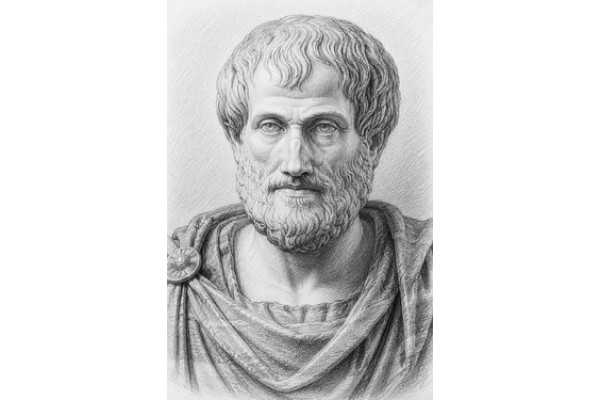
Aristotle was an ancient Greek philosopher, scientist, and teacher whose extraordinary contributions shaped the foundations of Western philosophy, political thought, ethics, logic, science, and literary criticism. Born in Stagira in 384 BC, he studied under Plato before founding the Lyceum in Athens, where he conducted groundbreaking research across an astonishing range of subjects. Explore Aristotle books to discover the author's life, literary career, and access notable works, including Politics - A Treatise on Government , and more.