Aristotle
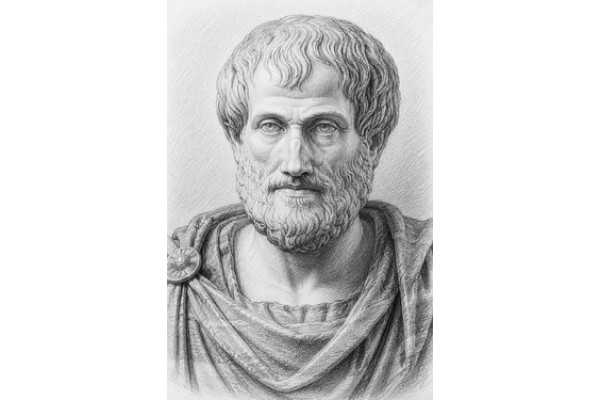
Aristotle was an ancient Greek philosopher, scientist, and teacher whose extraordinary contributions shaped the foundations of Western philosophy, political thought, ethics, logic, science, and literary criticism. Born in Stagira in 384 BC, he studied under Plato before founding the Lyceum in Athens, where he conducted groundbreaking research across an astonishing range of subjects. His method of careful observation, logical reasoning, and systematic inquiry profoundly influenced intellectual history for more than two millennia. Today, Aristotle remains one of the most influential thinkers in human civilization, with ideas that continue to inspire scholars, educators, and readers worldwide.
A Foundation for Philosophy and Human Knowledge
Aristotle believed that understanding the world required observation, rational analysis, and the pursuit of virtue. His writings explored ethics, politics, metaphysics, rhetoric, biology, psychology, and literature, seeking to explain both the natural world and human society through logical investigation. His works established enduring principles of reasoning and emphasized the importance of balanced judgment, moral character, and responsible citizenship. By combining philosophical reflection with practical inquiry, Aristotle created a body of knowledge that continues to influence modern education, science, law, and political theory.
As the tutor of Alexander the Great and the founder of one of history's greatest centers of learning, Aristotle left a legacy that extended far beyond his own lifetime. His writings became essential texts throughout the ancient, medieval, and modern worlds, shaping intellectual traditions across Europe, the Middle East, and beyond.
Essential Works
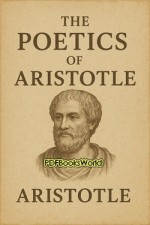
- The Poetics of Aristotle is the foundational work of literary criticism, examining the principles of tragedy, epic poetry, dramatic structure, and artistic expression.
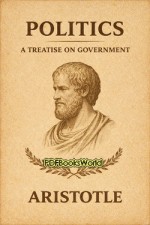
- Politics - A Treatise on Government explores the nature of the state, constitutional government, citizenship, justice, and the responsibilities of rulers and citizens.
- Nicomachean Ethics presents Aristotle's influential philosophy of virtue, happiness, moral character, and the pursuit of a flourishing life.
- Metaphysics investigates the fundamental nature of reality, existence, causation, and the principles underlying all knowledge.
- Rhetoric analyzes the art of persuasion, public speaking, and effective communication through logical and ethical argument.
- On the Soul examines the nature of life, perception, intellect, and the relationship between body and mind.
An Enduring Legacy in Philosophy and Political Thought
Aristotle's writings continue to shape philosophy, literature, ethics, political science, and countless other fields of study. From The Poetics of Aristotle and Politics - A Treatise on Government to enduring masterpieces such as Nicomachean Ethics, Metaphysics, and Rhetoric, his works provide timeless insights into human nature, knowledge, virtue, and society. His intellectual legacy remains one of the greatest achievements in the history of human thought.
If you enjoy philosophy, political theory, literary criticism, and the classics of world thought, the works of Aristotle are well worth exploring. At PDFBooksWorld, you can discover a carefully curated collection of his enduring writings and experience the wisdom of one of history's greatest philosophers and teachers.
The Poetics of Aristotle
Aristotle