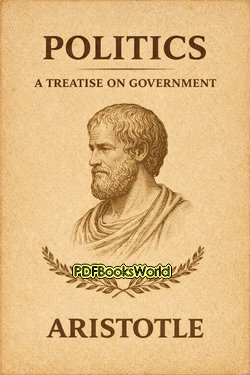
Politics - A Treatise on Government
by Aristotle
A Foundational Philosophical Work About Government, Society, and Human Nature
Politics: A Treatise on Government by Aristotle is one of the most influential works of political philosophy ever written. Composed in ancient Greece during the fourth century BCE, the book examines the nature of government, citizenship, law, education, and the organization of society.
Aristotle studied different political systems and explored how governments could promote justice, stability, and the common good. His ideas shaped centuries of discussion in political philosophy and constitutional thought.
About the Author
Aristotle was a Greek philosopher, scientist, and teacher who became one of the most important thinkers in Western intellectual history. A student of Plato and teacher of Alexander the Great, Aristotle wrote about philosophy, ethics, science, logic, politics, and literature.
His works influenced education, law, government, and philosophy for more than two thousand years.
Main Themes of the Work
The book explores how societies should be organized and what qualities make governments effective and just.
Important Themes Discussed
- Government and political systems
- Citizenship and civic responsibility
- Law, justice, and social order
- Education and moral development
Aristotle believed human beings are naturally social and political creatures who achieve fulfillment through participation in organized communities.
Aristotle’s View of Government
Aristotle analyzed different forms of government, including monarchy, aristocracy, and democracy, while discussing their strengths and weaknesses.
He argued that the best government should balance stability, justice, and the interests of the community rather than serving only the powerful or wealthy.
What Makes the Work Unique
- Systematic analysis of political systems
- Blend of philosophy, ethics, and practical governance
- Long-lasting influence on political thought
Writing Style
Aristotle’s writing style is analytical, logical, and philosophical. He carefully examines political ideas through observation, comparison, and reasoning.
The structured arguments and practical examples make the work intellectually detailed and historically significant.
Historical Importance
Politics became one of the foundational texts in the history of Western political philosophy and constitutional theory. The work strongly influenced medieval scholars, Renaissance thinkers, and modern political systems.
Historical Features
- Major influence on political and legal theory
- Development of ideas about citizenship and governance
- Foundation for later constitutional thought
The book also contributed to debates about democracy, justice, education, and the role of government in public life.
Lessons for Modern Readers
Modern readers continue to study Aristotle’s ideas because questions about government, justice, leadership, and citizenship remain highly relevant today.
The work encourages readers to think critically about political responsibility, ethical leadership, and the importance of balanced governance.
Conclusion
Politics: A Treatise on Government by Aristotle remains one of the most important works in political philosophy. Through logical analysis and deep reflection on society and government, Aristotle created a timeless study of human communities, justice, and the organization of political life.
Similar Genres
About the Author
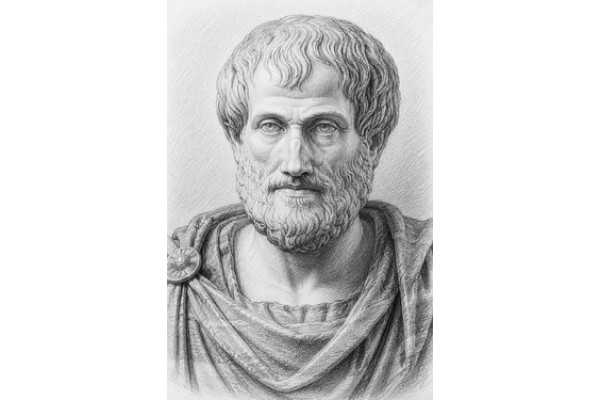
Aristotle was an ancient Greek philosopher, scientist, and teacher whose extraordinary contributions shaped the foundations of Western philosophy, political thought, ethics, logic, science, and literary criticism. Born in Stagira in 384 BC, he studied under Plato before founding the Lyceum in Athens, where he conducted groundbreaking research across an astonishing range of subjects. Explore Aristotle books to discover the author's life, literary career, and access notable works, including The Poetics of Aristotle , and more.