The Miser
by Moliere
Greed, Family Conflict, and Comic Chaos in Molière’s Classic French Comedy
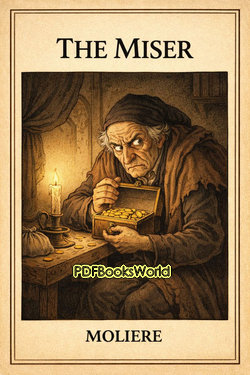
Hidden moneyboxes, suspicious fathers, desperate lovers, and endless arguments over wealth create the lively comic world of The Miser by Molière. One of the greatest comedies in French literature, the play satirizes greed and obsession through the unforgettable character of Harpagon, whose extreme love of money disrupts both his family and his own happiness.
Blending sharp social observation with fast-moving humor, the play remains one of Molière’s most celebrated works.
A Household Ruled by Greed
At the center of the comedy stands Harpagon, a wealthy man so obsessed with saving money that he mistrusts nearly everyone around him. His desire to control finances shapes every relationship within the household.
Rather than valuing affection or emotional well-being, Harpagon evaluates life almost entirely through profit and expense.
His greed produces absurd situations, emotional conflict, and comic misunderstanding throughout the play.
The obsession with money becomes both ridiculous and destructive.
Characters
The humor and tension of the play emerge through a cast struggling against Harpagon’s selfishness and control.
- Harpagon serves as one of comedy’s great misers, suspicious, controlling, and absurdly attached to his hidden wealth.
- Cléante, his son, seeks freedom from paternal control while pursuing love and independence.
- Élise, Harpagon’s daughter, struggles against marriage arrangements motivated by financial calculation.
- Servants, matchmakers, and lovers contribute deception, wit, and comic confusion throughout the story.
The conflicting desires of the characters drive the play’s energetic humor.
Themes
Molière uses comedy to criticize social and moral weaknesses connected with greed and selfishness.
- The corrupting power of excessive greed
- The conflict between money and human affection
- Family tension caused by control and selfishness
- The absurdity of valuing wealth above happiness
- The contrast between genuine emotion and financial calculation
The play suggests that obsession with wealth can isolate individuals emotionally and socially.
Comedy Through Deception and Confusion
Like many classic comedies, The Miser depends heavily on misunderstanding, secret plans, disguises, and conflicting romantic interests.
Characters deceive one another, hide information, and manipulate situations in attempts to escape Harpagon’s control.
The resulting confusion creates rapid pacing and theatrical energy.
The humor often grows from the gap between Harpagon’s fears and reality itself.
The Writing Style of Molière
Molière combines elegant dialogue with sharp satire and strong comic timing. His characters often represent exaggerated human flaws while still feeling emotionally recognizable.
The play balances farce with social criticism, allowing humor to expose deeper truths about vanity, greed, and hypocrisy.
The wit remains lively and accessible centuries after its creation.
Why The Miser Still Entertains Audiences
The Miser continues to delight readers and theater audiences because greed, selfishness, and family conflict remain timeless human experiences. Harpagon’s absurd obsession with money still feels both comic and surprisingly familiar.
For readers interested in classical comedy, French literature, satirical drama, and character-centered humor, Molière’s play remains one of the funniest and most enduring explorations of greed ever written.
Similar Genres
About the Author

Molière, born Jean-Baptiste Poquelin, was the greatest comic playwright of seventeenth-century France and one of the most influential dramatists in world literature. Born in Paris in 1622, Molière transformed French theatre through his brilliant comedies, sharp social satire, and unforgettable characters. Explore Moliere books to discover the author's life, literary career, and access notable works, including The Middle-Class Gentleman, Tartuffe; Or, The Hypocrite , and more.