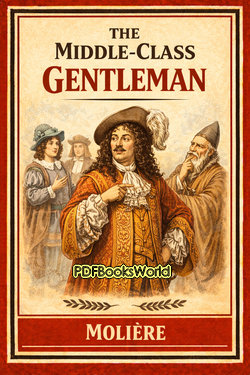
The Middle-Class Gentleman
by Moliere
A Brilliant Comedy About Wealth, Pretension, and Social Ambition
The Middle-Class Gentleman by Molière is one of the most famous comedic plays in French literature, combining satire, social criticism, music, and farcical humor into an entertaining portrait of vanity and ambition. Originally written in the seventeenth century, the play humorously examines a wealthy middle-class man’s desperate attempt to behave like a member of the aristocracy.
Through exaggerated situations, witty dialogue, and memorable characters, Molière exposes the absurdity of social pretension and the desire to imitate fashionable upper-class culture.
The Story of Monsieur Jourdain
The play centers on Monsieur Jourdain, a wealthy man who becomes obsessed with transforming himself into a refined gentleman. Although successful in business, he lacks education, sophistication, and noble background.
Determined to appear aristocratic, Jourdain hires teachers for music, dancing, philosophy, and fencing while spending large amounts of money trying to imitate noble society. His vanity and lack of self-awareness create many of the play’s most humorous moments.
Molière uses Jourdain’s behavior to satirize people who value social appearance more than intelligence or authenticity.
Main Characters
- Monsieur Jourdain, the wealthy middle-class man obsessed with becoming fashionable and noble
- Madame Jourdain, his practical wife who recognizes the foolishness of his behavior
- Cléonte and Lucile, young lovers affected by Jourdain’s social ambitions
- Teachers, servants, and scheming aristocrats who exploit Jourdain’s vanity for their own benefit
The interactions between these characters create the play’s energetic comedy and social satire.
Humor and Social Satire
One of the play’s greatest strengths is its sharp but entertaining criticism of social ambition and superficiality. Molière humorously reveals how easily vanity can lead people into embarrassment and manipulation.
The play mocks obsession with status, fashion, and appearances while also exposing the hypocrisy of aristocratic society. Wealth alone cannot create genuine refinement, wisdom, or dignity.
Despite its historical setting, the satire remains surprisingly modern because social pretension and status-seeking continue to exist in many forms today.
Main Themes in the Play
- Social ambition and class pretension
- Vanity, foolishness, and self-deception
- The difference between appearance and reality
- Love, manipulation, and comic misunderstanding
These themes help make the play both humorous and intellectually engaging.
The Writing Style of Molière
Molière writes with wit, rhythm, and theatrical energy. His dialogue moves quickly, filled with comic misunderstandings, exaggerated behavior, and clever social observation.
The play combines spoken comedy with elements of music, dance, and performance, creating a lively theatrical experience. Molière’s ability to balance humor with criticism helped establish him as one of the greatest playwrights in European literature.
His characters remain memorable because their flaws and ambitions feel timelessly human.
Why The Middle-Class Gentleman Still Entertains Audiences
The Middle-Class Gentleman continues to delight readers and theater audiences because its humor remains fresh, energetic, and socially relevant. The play’s comic portrayal of vanity and social climbing still resonates in modern culture.
For readers interested in classic comedy, French literature, theater history, and satire, Molière’s play remains a lively and enduring masterpiece of humorous social observation.
Similar Genres
About the Author
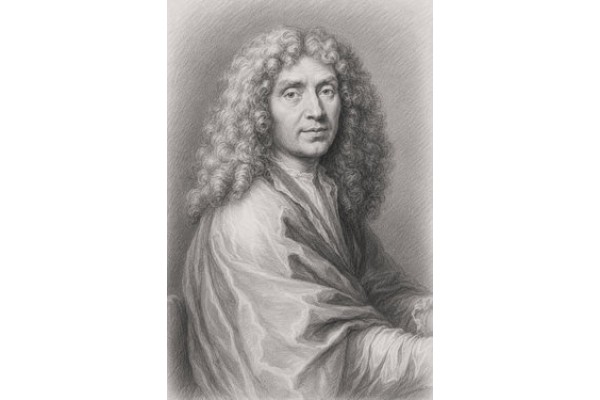
Molière, born Jean-Baptiste Poquelin, was the greatest comic playwright of seventeenth-century France and one of the most influential dramatists in world literature. Born in Paris in 1622, Molière transformed French theatre through his brilliant comedies, sharp social satire, and unforgettable characters. Explore Moliere books to discover the author's life, literary career, and access notable works, including Tartuffe; Or, The Hypocrite, The Miser , and more.