Tartuffe; Or, The Hypocrite
by Moliere
Religious Deception, Family Conflict, and Sharp Satire in Molière’s Classic Comedy
False piety, manipulation, greed, and comic chaos collide in Tartuffe; Or, The Hypocrite by Molière, one of the greatest satirical comedies ever written. First performed in seventeenth-century France, the play caused enormous controversy because it boldly attacked religious hypocrisy and the ease with which dishonest people can exploit trust, morality, and social respectability.
Although centuries old, the comedy remains strikingly modern in its understanding of manipulation and self-deception.
The Dangerous Arrival of Tartuffe
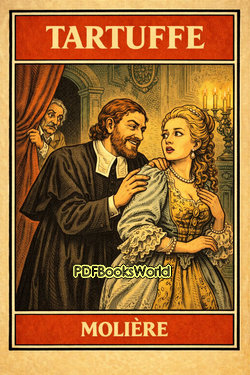
The story centers on Orgon, a wealthy man who becomes completely devoted to Tartuffe, a seemingly pious and humble religious figure. Convinced of Tartuffe’s holiness and moral wisdom, Orgon invites him into the household and begins trusting him blindly.
The rest of the family quickly recognizes that Tartuffe is dishonest, manipulative, and dangerously ambitious.
However, exposing the truth becomes increasingly difficult because Orgon refuses to see what is obvious to everyone else.
A Master of Manipulation
Tartuffe succeeds not through force, but through performance. He carefully presents himself as morally pure while secretly pursuing wealth, influence, and personal desire.
His hypocrisy appears through:
- Exaggerated displays of religious devotion
- Manipulative moral language
- Attempts to control family relationships
- Hidden selfish motives beneath outward virtue
Molière exposes how easily appearances of goodness can conceal corruption.
Comedy Built on Conflict and Irony
Much of the humor comes from dramatic irony. The audience clearly sees Tartuffe’s true nature while Orgon remains stubbornly blind.
This creates escalating comic tension as family members attempt to reveal the deception before disaster occurs.
The play balances witty dialogue with emotional frustration, allowing comedy and criticism to work together effectively.
Ridiculous behavior becomes a tool for exposing serious social problems.
The Controversy Surrounding the Play
When first performed, Tartuffe angered religious authorities who believed the play attacked religion itself.
Molière defended the work by arguing that he criticized hypocrisy rather than genuine faith.
The controversy led to censorship and public debate before the play eventually achieved acceptance.
Its history reflects the risks involved in satirizing powerful social institutions.
The Brilliance of Molière’s Style
Molière combines elegant comic structure with sharp psychological insight. His characters often exaggerate recognizable human weaknesses such as vanity, gullibility, pride, and self-righteousness.
The dialogue moves quickly and intelligently, filled with wit, irony, and verbal precision.
Even secondary characters contribute strongly to the play’s energy and comic rhythm.
Why Tartuffe Still Feels Relevant
Tartuffe; Or, The Hypocrite remains powerful because hypocrisy, manipulation, and blind admiration continue to appear in politics, religion, media, and personal relationships.
For readers interested in classical comedy, satire, French literature, theatrical history, and social criticism, Molière’s play remains a brilliantly entertaining examination of deception hidden behind moral performance.
Similar Genres
About the Author

Molière, born Jean-Baptiste Poquelin, was the greatest comic playwright of seventeenth-century France and one of the most influential dramatists in world literature. Born in Paris in 1622, Molière transformed French theatre through his brilliant comedies, sharp social satire, and unforgettable characters. Explore Moliere books to discover the author's life, literary career, and access notable works, including The Middle-Class Gentleman, The Miser , and more.