The Miraculous Pitcher
by Nathaniel Hawthorne
A Mythic Tale of Hospitality, Generosity, and Divine Reward
The Miraculous Pitcher by Nathaniel Hawthorne is a graceful retelling of the Greek myth of Baucis and Philemon, adapted for younger readers with warmth, imagination, and moral clarity. Part of Hawthorne’s mythological story collections, the tale blends fantasy, humor, and gentle spiritual reflection while celebrating kindness and humility over wealth and pride.
The story transforms an ancient legend into an intimate and emotionally uplifting narrative about compassion and the rewards of generosity.
Two Poor Villagers Welcome Mysterious Guests
The tale centers on Baucis and Philemon, an elderly couple living modestly in a quiet rural village. Though poor, they remain deeply kind-hearted and generous toward others.
One evening, two weary travelers arrive seeking shelter and hospitality after being rejected by wealthier households throughout the village.
Without hesitation, Baucis and Philemon warmly welcome the strangers into their small home and offer the best meal they can provide despite their limited resources.
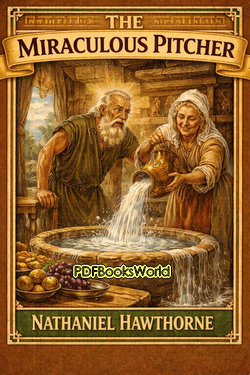
During the meal, they notice something extraordinary: their humble pitcher of wine continually refills itself no matter how often it is poured.
The miraculous event reveals that their guests are far more than ordinary travelers.
The Figures Within the Mythic Story
- Baucis
A gentle and generous woman whose kindness reflects moral goodness rather than material wealth. - Philemon
A humble and hospitable old man devoted to compassion and simple living. - The Divine Visitors
Disguised gods testing human kindness and hospitality. - The Villagers
People whose selfishness and indifference contrast sharply with the old couple’s generosity.
Hawthorne presents the myth with warmth, humor, and emotional simplicity.
Kindness More Valuable Than Wealth
One of the story’s central lessons is that true worth comes from generosity, humility, and compassion rather than social status or material riches.
Baucis and Philemon possess little, yet their willingness to share transforms their humble home into a place of spiritual grace and wonder.
Hawthorne emphasizes that goodness often appears most clearly through small acts of kindness freely offered.
The miraculous pitcher itself becomes a symbol of abundance flowing from generosity rather than possession.
Major Themes Running Through the Story
- Hospitality and Compassion
Kindness toward strangers becomes the story’s highest moral virtue. - Humility and Simplicity
The humble couple possesses greater wisdom than wealthier individuals around them. - Divine Justice and Reward
Goodness receives recognition while selfishness faces consequence. - Wonder and Mythic Imagination
Magic and miracle enrich the emotional and symbolic atmosphere of the tale.
Hawthorne’s Gentle Retelling of Classical Myth
The Miraculous Pitcher demonstrates Hawthorne’s remarkable ability to adapt ancient mythology into emotionally accessible storytelling without losing its symbolic richness.
His prose remains elegant yet inviting, making the moral ideas feel natural rather than overly instructive.
The peaceful rural setting and affectionate portrayal of the elderly couple give the story lasting warmth and charm.
Why the Story Still Resonates
Modern readers continue loving The Miraculous Pitcher because its message about generosity and human kindness remains timeless.
The story also continues appealing through its comforting atmosphere, magical imagery, and belief that goodness matters more than wealth or social importance.
For readers interested in mythology, moral storytelling, fantasy classics, and beautifully retold legends, this tale remains tender, uplifting, and enduringly memorable.
Similar Genres
About the Author
Nathaniel Hawthorne occupies a distinguished place in American literature for his masterful exploration of morality, guilt, and the complexities of human nature. Born in Salem, Massachusetts, in 1804, he drew inspiration from New England's colonial history and Puritan heritage, transforming historical settings into timeless works of fiction. Explore Nathaniel Hawthorne books to discover the author's life, literary career, and access notable works, including The Scarlet Letter, Mosses from an Old Manse and Other Stories, The House of the Seven Gables, The New Adam and Eve (From "Mosses from an Old Manse") , and more.