The Man of Adamant
by Nathaniel Hawthorne
A Dark Allegory About Isolation, Pride, and Spiritual Hardness
The Man of Adamant by Nathaniel Hawthorne is a symbolic and deeply moral short story exploring religious extremism, emotional isolation, pride, and the destructive consequences of withdrawing completely from human society. Through the strange fate of a man who rejects ordinary human life in pursuit of absolute spiritual purity, Hawthorne creates a haunting allegory about the dangers of excessive rigidity and self-righteousness.
The story combines wilderness imagery, religious symbolism, and psychological tension in a way that feels both mythical and unsettling.
A Man Withdraws From Humanity
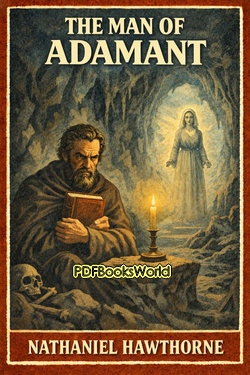
The central figure abandons society entirely, retreating into a remote cave deep within the wilderness. Disgusted by what he views as the corruption and sinfulness of humanity, he seeks complete separation from ordinary human contact.
He believes that by isolating himself from the world, he can preserve spiritual purity and moral perfection.
Inside the dark cave, he survives beside a hidden stream and gradually becomes emotionally and physically removed from ordinary life.
Yet Hawthorne suggests that this rejection of humanity carries terrifying spiritual consequences rather than enlightenment.
The Symbolic Elements Within the Story
- The Man of Adamant
A rigid and self-righteous individual consumed by spiritual pride and isolation. - The Cave
A symbolic space representing emotional withdrawal, spiritual confinement, and separation from humanity. - The Wilderness
An environment reflecting both solitude and moral danger. - The Petrifying Waters
A symbolic force gradually hardening and transforming the isolated man himself.
Hawthorne uses these elements allegorically rather than realistically, creating a moral and psychological fable.
Isolation as Spiritual Destruction
One of the story’s central ideas is that rejecting all human imperfection can ultimately destroy compassion, emotional warmth, and spiritual humanity itself.
The man’s pursuit of absolute moral separation gradually turns into emotional and symbolic petrification. His rigid refusal to engage with ordinary people hardens him both spiritually and physically.
Hawthorne suggests that humility and shared human weakness may be healthier than cold perfectionism and judgment.
Major Themes Running Through the Story
- Pride and Self-Righteousness
The protagonist’s belief in his own purity leads toward spiritual corruption. - Isolation and Emotional Withdrawal
Separation from humanity destroys compassion and connection. - Religious Extremism
Hawthorne questions rigid moral absolutism disconnected from human sympathy. - Symbolic Transformation
Physical hardening reflects inner emotional and spiritual rigidity.
Hawthorne’s Powerful Moral Symbolism
The Man of Adamant reflects Hawthorne’s fascination with guilt, moral psychology, and the hidden dangers within extreme forms of idealism and purity. The story operates almost entirely through symbolic imagery and allegorical meaning.
The wilderness setting and eerie atmosphere intensify the emotional effect, giving the narrative a timeless and nearly biblical quality.
Hawthorne’s restrained style allows the symbolic horror to emerge gradually and powerfully.
Why the Story Still Feels Relevant
Modern readers continue finding The Man of Adamant compelling because its themes remain psychologically and socially meaningful. Emotional isolation, moral absolutism, and the rejection of human complexity continue shaping modern cultural and personal conflicts.
The story also feels modern in its psychological understanding of how rigidity and self-imposed isolation can distort identity and emotional life.
For readers interested in allegorical fiction, symbolic literature, and psychologically rich moral storytelling, this tale remains haunting, thoughtful, and deeply memorable.
Similar Genres
About the Author
Nathaniel Hawthorne occupies a distinguished place in American literature for his masterful exploration of morality, guilt, and the complexities of human nature. Born in Salem, Massachusetts, in 1804, he drew inspiration from New England's colonial history and Puritan heritage, transforming historical settings into timeless works of fiction. Explore Nathaniel Hawthorne books to discover the author's life, literary career, and access notable works, including The Scarlet Letter, Mosses from an Old Manse and Other Stories, The House of the Seven Gables, The New Adam and Eve (From "Mosses from an Old Manse") , and more.