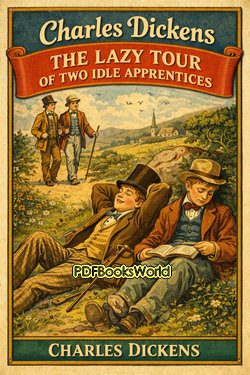
The Lazy Tour of Two Idle Apprentices
by Charles Dickens
Two Travelers Wander Without Hurry Through Roads, Inns, and Odd Encounters
The Lazy Tour of Two Idle Apprentices by Charles Dickens is part travel narrative, part comic observation, and part playful literary experiment. Written with Wilkie Collins, the work follows two companions who set out on a wandering journey with no great mission except curiosity, amusement, and escape from routine life.
Unlike serious adventure stories driven by danger or dramatic goals, this tour moves casually through towns, countryside roads, inns, and strange encounters. The pleasure comes less from reaching a destination and more from observing people, conversations, and unexpected situations along the way.
The result feels relaxed, humorous, and intentionally unhurried.
The Journey Matters More Than the Destination
The two “idle apprentices” travel through various locations while commenting on the people and places they encounter. Their wandering style allows the narrative to shift freely between humor, description, reflection, and storytelling.
Rather than following a strict plot, the book unfolds through experiences connected to travel itself:
- Conversations in inns and roadside stops
- Observations of local customs and personalities
- Comic misunderstandings and unusual situations
- Moments of leisure and quiet reflection
- Changing landscapes and travel conditions
This loose structure gives the work a conversational and spontaneous atmosphere.
The Narrators Treat Travel as Entertainment
One of the book’s most appealing qualities is its playful tone. The travelers often appear more interested in amusement and observation than efficiency or serious exploration.
Curiosity Over Purpose
The characters allow small events and casual discoveries to shape the direction of the journey.
Humorous Commentary
Much of the entertainment comes from witty descriptions and playful reactions to ordinary situations.
Enjoyment of Idleness
The story celebrates leisure, wandering, and freedom from strict responsibility.
This relaxed attitude helps separate the book from more dramatic Victorian travel literature.
The English Landscape Plays an Important Role
The roads, towns, inns, and countryside settings create much of the book’s atmosphere. Dickens and Collins pay close attention to changing scenery and the small details of travel life.
The journey reveals:
- Quiet rural landscapes
- Busy inns filled with travelers
- Local traditions and habits
- The rhythms of nineteenth-century travel
- The contrast between city and countryside life
These observations help the narrative feel vivid even when little dramatic action occurs.
The Collaboration Creates an Energetic Style
Because the work was written collaboratively, the narrative carries a playful sense of experimentation. Dickens and Collins combine humor, storytelling, and travel writing in ways that feel lively and informal.
The writing frequently shifts between:
Comic Dialogue
Conversations often become exaggerated, witty, or gently satirical.
Descriptive Observation
The authors pause to capture amusing or memorable details about people and places.
Storytelling Digressions
Small side stories and anecdotes appear naturally during the journey.
This flexible structure keeps the narrative entertaining and unpredictable.
The Book Reflects Victorian Interest in Travel and Leisure
During the nineteenth century, improvements in transportation made travel increasingly accessible for middle-class readers and writers. Travel literature became popular not only for adventure but also for entertainment and social observation.
The Lazy Tour of Two Idle Apprentices reflects this cultural interest while also gently mocking the idea that every journey must be serious or educational.
The travelers often seem happiest when doing very little at all except observing the world around them.
A Cheerful and Wandering Literary Journey
The Lazy Tour of Two Idle Apprentices remains enjoyable because it captures the pleasures of aimless travel, humorous observation, and relaxed companionship. Charles Dickens and Wilkie Collins create a literary journey where personality and atmosphere matter more than dramatic plot.
Readers who enjoy travel writing, Victorian humor, and conversational storytelling may especially appreciate the book’s easygoing charm. Beneath its playful wandering lies a celebration of curiosity, leisure, and the simple pleasure of exploring without urgency.
Similar Genres
About the Author
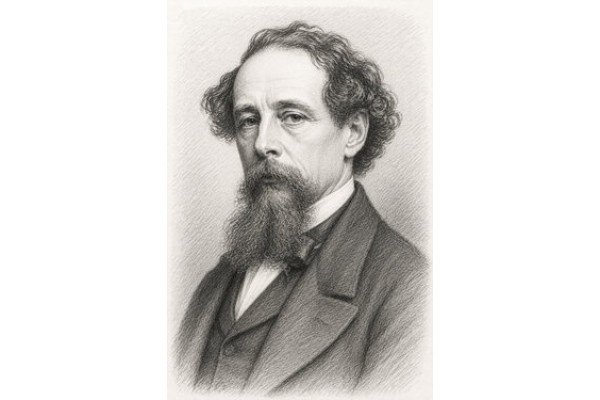
Charles Dickens transformed the Victorian novel into a powerful reflection of everyday life, giving a voice to the poor, the forgotten, and the disadvantaged. Born in Portsmouth, England, in 1812, he experienced financial hardship during his childhood, an experience that deeply influenced his writing. Explore Charles Dickens books to discover the author's life, literary career, and access notable works, including A Tale of Two Cities, Great Expectations, A Christmas Carol, Oliver Twist , and more.