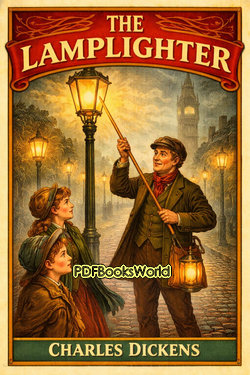
The Lamplighter
by Charles Dickens
A Quiet Figure Bringing Light to Dark Streets and Lonely Lives
The Lamplighter by Charles Dickens captures the atmosphere of old city streets illuminated one lamp at a time by a solitary worker moving through the evening darkness. Though simple in structure, the piece reflects Dickens’ talent for turning ordinary occupations and unnoticed people into subjects filled with emotional meaning and social reflection.
The lamplighter himself becomes more than a worker performing a nightly task. He symbolizes steadiness, duty, and small acts of service that quietly shape everyday life without attracting attention or praise.
Through observation and atmosphere, Dickens transforms an ordinary urban routine into something reflective and deeply human.
The Evening Streets Become Part of the Story
One of the strongest qualities of the work is its vivid portrayal of the city at dusk. As daylight fades, the lamplighter moves from street to street bringing light into growing darkness.
The setting creates a mood that feels:
- Quiet and atmospheric
- Filled with movement and shadow
- Lonely yet strangely comforting
- Connected to the rhythms of ordinary city life
Dickens pays close attention to small visual details, allowing the streets themselves to become emotionally important.
The Lamplighter Represents Ordinary Dedication
Rather than focusing on famous or powerful individuals, Dickens centers attention on someone performing humble daily work. The lamplighter carries out his responsibilities steadily without expecting recognition.
Duty and Routine
His nightly task reflects quiet consistency and reliability.
Service to Others
By lighting the streets, he helps create safety and comfort for unseen strangers.
Isolation Within the Crowd
Although surrounded by city life, the lamplighter remains a solitary figure moving through the darkness alone.
These qualities give the character symbolic importance beyond his occupation.
Dickens Finds Meaning in Everyday Urban Life
Throughout his writing career, Dickens often focused on people overlooked by society. The Lamplighter continues this interest by emphasizing the emotional and social value of ordinary labor.
The piece quietly reflects on:
- The unnoticed workers who support daily life
- The contrast between darkness and light
- The emotional atmosphere of cities after sunset
- The dignity of humble professions
- The connection between routine and human stability
These themes help give the work emotional depth despite its simplicity.
The Writing Style Feels Reflective and Atmospheric
Unlike Dickens’ fast-moving novels filled with dramatic conflict, this piece relies heavily on mood and observation. The pacing remains calm, allowing readers to absorb the emotional texture of the evening streets and the solitary figure moving through them.
The imagery often emphasizes:
Changing Light
The gradual transition from daylight into darkness shapes the entire atmosphere.
Urban Silence and Movement
The city feels alive yet strangely distant during the evening hours.
Melancholy and Comfort
The glowing lamps create warmth against the loneliness of the night.
This reflective style gives the work a poetic quality.
The Piece Preserves a Vanished World
Modern readers may find additional fascination in the historical setting itself. The work captures a period before electric lighting transformed urban life, when lamplighters physically illuminated streets each evening.
Through this forgotten occupation, Dickens preserves details about:
- Nineteenth-century city life
- Public street lighting before electricity
- The atmosphere of Victorian evenings
- The routines shaping urban communities
These historical elements add richness to the piece.
A Small but Thoughtful Dickens Reflection
The Lamplighter remains memorable because it demonstrates Charles Dickens’ ability to discover emotional meaning within ordinary daily life. Through quiet observation and atmospheric writing, he transforms a simple worker into a symbol of reliability, service, and human presence within the vast city.
Readers interested in reflective Victorian writing and richly detailed urban atmosphere may appreciate the piece’s calm emotional tone and attention to overlooked lives. Beneath its simplicity lies a thoughtful meditation on work, loneliness, and the small lights people bring into the world around them.
Similar Genres
About the Author
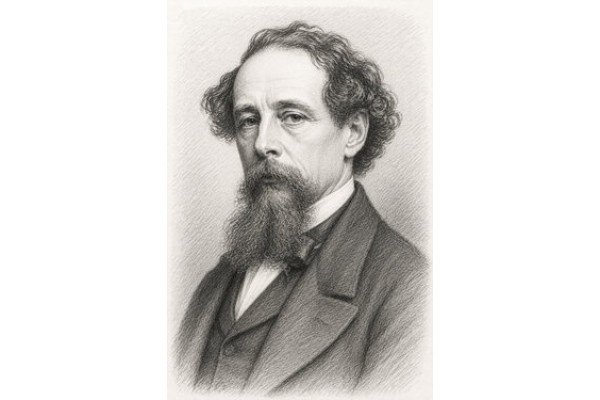
Charles Dickens transformed the Victorian novel into a powerful reflection of everyday life, giving a voice to the poor, the forgotten, and the disadvantaged. Born in Portsmouth, England, in 1812, he experienced financial hardship during his childhood, an experience that deeply influenced his writing. Explore Charles Dickens books to discover the author's life, literary career, and access notable works, including A Tale of Two Cities, Great Expectations, A Christmas Carol, Oliver Twist , and more.