The Haunted Mind
by Nathaniel Hawthorne
A Dreamlike Meditation on Consciousness Between Sleep and Wakefulness
The Haunted Mind by Nathaniel Hawthorne is a short, atmospheric meditation exploring the mysterious psychological state between sleeping and waking. Rather than telling a conventional story with dramatic action, Hawthorne creates a reflective and symbolic experience examining memory, identity, imagination, and the strange fluidity of human consciousness.
The piece feels dreamlike, philosophical, and deeply introspective, revealing Hawthorne’s fascination with the hidden workings of the mind.
The Moment Between Dreams and Reality
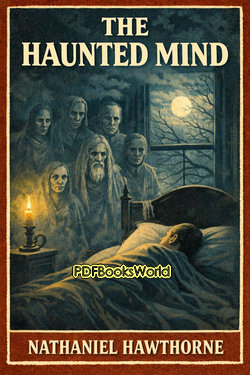
The work centers on a person awakening gradually during the early hours before dawn, suspended between the fading world of dreams and the returning awareness of ordinary life.
In this uncertain mental condition, thoughts, memories, emotions, fears, and imagined possibilities drift through consciousness with unusual intensity.
The mind becomes filled with ghostly impressions and shifting identities.
Past experiences, forgotten feelings, and strange emotional associations emerge briefly before disappearing again as full wakefulness slowly returns.
Hawthorne portrays this transitional state as both unsettling and strangely revealing.
The Psychological Landscape Within the Piece
- The Sleeper
A consciousness moving uncertainly between dream and waking awareness. - Memories and Emotional Echoes
Thoughts and impressions resurfacing from hidden parts of the mind. - Imagined Selves and Possibilities
Ghostlike mental images reflecting shifting identity and emotional uncertainty. - The Dawn
A symbolic transition from mystery and imagination back into ordinary reality.
The piece transforms internal psychological experience into something vivid and almost supernatural.
The Mind as a Haunted Space
One of Hawthorne’s most striking ideas is that the human mind contains hidden layers filled with memories, desires, fears, and forgotten impressions that continue influencing consciousness beneath ordinary awareness.
The “haunting” in the title is therefore psychological rather than literal. The mind becomes haunted by its own emotional history and unstable sense of self.
Hawthorne suggests that identity itself may be less fixed and rational than people usually believe.
Major Themes Running Through the Piece
- Dream and Reality
The boundary between imagination and waking life becomes uncertain. - Memory and Hidden Consciousness
Forgotten emotions and impressions rise unexpectedly into awareness. - Identity and Psychological Uncertainty
The self appears fluid and difficult to fully understand. - Solitude and Reflection
The quiet pre-dawn atmosphere encourages introspection and emotional vulnerability.
Hawthorne’s Psychological and Symbolic Style
The Haunted Mind demonstrates Hawthorne’s remarkable ability to transform inward emotional experience into symbolic and atmospheric prose. The piece contains little external action, yet its psychological intensity remains powerful.
His language moves slowly and meditatively, mirroring the drifting movement of half-conscious thought itself.
The atmosphere feels suspended between poetry, philosophy, and dream.
Why the Piece Still Feels Modern
Modern readers continue finding The Haunted Mind fascinating because of its psychological subtlety and introspective depth. Hawthorne anticipates later literary and psychological interest in dreams, unconscious thought, fragmented identity, and inner emotional life.
The piece also feels remarkably modern in its focus on subjective experience rather than external plot.
For readers interested in psychological literature, symbolic prose, dreamlike writing, and reflective explorations of consciousness, this work remains haunting, elegant, and deeply thought-provoking.
Similar Genres
About the Author
Nathaniel Hawthorne occupies a distinguished place in American literature for his masterful exploration of morality, guilt, and the complexities of human nature. Born in Salem, Massachusetts, in 1804, he drew inspiration from New England's colonial history and Puritan heritage, transforming historical settings into timeless works of fiction. Explore Nathaniel Hawthorne books to discover the author's life, literary career, and access notable works, including The Scarlet Letter, Mosses from an Old Manse and Other Stories, The House of the Seven Gables, The New Adam and Eve (From "Mosses from an Old Manse") , and more.