The Great Stone Face, and Other Tales of the White Mountains
by Nathaniel Hawthorne
Legends, Moral Reflection, and Quiet Wonder Among the White Mountains
The Great Stone Face, and Other Tales of the White Mountains by Nathaniel Hawthorne is a collection of stories blending folklore, moral allegory, fantasy, and reflective storytelling. Set against the majestic landscape of New Hampshire’s White Mountains, the tales explore ambition, character, humility, imagination, and the search for true greatness.
Hawthorne combines natural beauty with symbolic storytelling, creating narratives that feel gentle, thoughtful, and spiritually resonant.
The Legend of the Great Stone Face
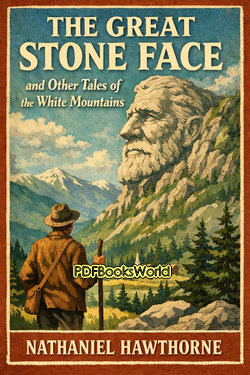
The title story centers on Ernest, a humble boy growing up beneath a massive rock formation resembling a human face. Local legend claims that one day a person will appear whose character perfectly reflects the noble expression carved into the mountainside.
As Ernest grows older, several famous and powerful men arrive in the region, each believed by others to fulfill the prophecy.
Yet Ernest gradually realizes that wealth, military glory, political influence, and public fame alone do not create true greatness.
Through years of reflection, kindness, and quiet wisdom, Ernest himself slowly approaches the moral ideal represented by the stone face.
The Figures Appearing Within the Collection
- Ernest
A thoughtful and humble dreamer seeking moral truth and spiritual greatness. - The Great Stone Face
A symbolic image representing wisdom, goodness, and ideal human character. - Famous Visitors and Public Figures
Individuals whose outward success contrasts with deeper moral limitations. - The Storytellers and Observers
Voices reflecting on nature, imagination, and human aspiration.
Throughout the collection, Hawthorne treats ordinary moral life with quiet dignity and emotional depth.
True Greatness Beyond Fame and Power
One of the collection’s central ideas is that genuine greatness comes not from public achievement or wealth, but from moral integrity, compassion, humility, and inner character.
Hawthorne repeatedly contrasts outward success with inward goodness. The stories encourage readers to value sincerity and wisdom over ambition or social prestige.
The natural world itself often reflects these moral ideas, especially the calm permanence of the mountains.
Major Themes Running Through the Tales
- Moral Character and Inner Greatness
True worth comes from kindness, humility, and integrity rather than fame. - Nature and Spiritual Reflection
The mountain landscapes inspire contemplation and emotional depth. - Dreams and Idealism
Characters search for meaning, wisdom, and noble purpose. - Symbolism and Allegory
Physical landscapes and events represent larger moral and philosophical truths.
Hawthorne’s Gentle and Reflective Storytelling
The Great Stone Face, and Other Tales of the White Mountains reveals Hawthorne at his most meditative and humane. The stories move quietly, emphasizing emotional atmosphere, moral reflection, and symbolic meaning rather than dramatic action.
His prose combines simplicity with elegance, creating a tone that feels intimate, timeless, and quietly inspiring.
The mountain setting adds both beauty and spiritual resonance to the collection.
Why the Collection Still Resonates
Modern readers continue appreciating The Great Stone Face, and Other Tales of the White Mountains because its themes remain deeply meaningful. Questions involving integrity, fame, ambition, and moral character continue shaping modern life.
The stories also feel timeless in their belief that quiet goodness may possess greater value than public success or power.
For readers interested in allegorical fiction, moral storytelling, American literary classics, and reflective tales connected to nature and imagination, this collection remains graceful, thoughtful, and enduringly moving.
Similar Genres
About the Author
Nathaniel Hawthorne occupies a distinguished place in American literature for his masterful exploration of morality, guilt, and the complexities of human nature. Born in Salem, Massachusetts, in 1804, he drew inspiration from New England's colonial history and Puritan heritage, transforming historical settings into timeless works of fiction. Explore Nathaniel Hawthorne books to discover the author's life, literary career, and access notable works, including The Scarlet Letter, Mosses from an Old Manse and Other Stories, The House of the Seven Gables, The New Adam and Eve (From "Mosses from an Old Manse") , and more.