The Gorgon's Head
by Nathaniel Hawthorne
A Mythic Adventure of Courage, Magic, and Terrifying Danger
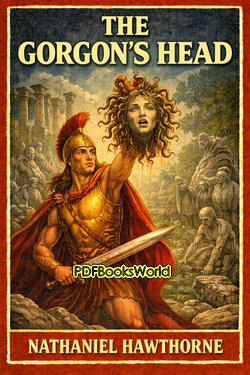
The Gorgon’s Head by Nathaniel Hawthorne is a vivid retelling of the Greek myth of Perseus and Medusa, adapted for younger readers with imagination, excitement, and emotional clarity. Part of Hawthorne’s mythological story collections, the tale combines heroic adventure, magical gifts, monstrous danger, and moral courage within a richly imaginative fantasy world.
Hawthorne transforms the ancient legend into a lively narrative that preserves both the wonder and the suspense of the original myth.
Perseus Accepts a Deadly Quest
The story follows the young hero Perseus, who is challenged to retrieve the head of Medusa, one of the terrifying Gorgons whose gaze turns living creatures into stone.
The mission appears nearly impossible because anyone looking directly at Medusa risks instant destruction.
To aid him, Perseus receives magical gifts from divine helpers, including winged sandals, a mirrored shield, and enchanted tools allowing him to approach the monster without meeting her deadly eyes.
As he travels across strange landscapes and confronts supernatural dangers, Perseus must rely on intelligence, courage, and self-control rather than strength alone.
The Legendary Figures Within the Tale
- Perseus
A brave and resourceful young hero determined to complete an impossible task. - Medusa
The terrifying Gorgon whose deadly gaze transforms victims into stone. - The Other Gorgons
Monstrous sisters adding danger and suspense to Perseus’s mission. - The Divine Helpers
Supernatural beings providing magical guidance and protection.
Hawthorne presents these mythic figures with both excitement and accessibility for younger audiences.
Heroism Through Intelligence and Restraint
One of the story’s central ideas is that true heroism depends upon wisdom and discipline as much as physical bravery. Perseus succeeds not through reckless force, but through careful judgment and thoughtful action.
The magical shield especially symbolizes the importance of indirect understanding and controlled perception.
Hawthorne also balances danger with wonder, allowing the fantasy atmosphere of Greek mythology to remain vivid and emotionally engaging.
Major Themes Running Through the Story
- Courage in the Face of Fear
Perseus confronts terrifying danger with determination and calmness. - Wisdom and Cleverness
Success requires intelligence and restraint rather than brute strength alone. - Good Versus Monstrous Evil
The story contrasts heroic virtue with destructive supernatural danger. - Magic and Adventure
The tale celebrates imagination, wonder, and heroic exploration.
Hawthorne’s Imaginative Retelling of Myth
The Gorgon’s Head demonstrates Hawthorne’s talent for making ancient mythology emotionally accessible while preserving its dramatic excitement and symbolic richness.
His prose remains elegant yet clear, creating a narrative that feels adventurous without losing its literary grace.
The story’s atmosphere blends suspense, fantasy, and moral imagination in a way that continues captivating readers across generations.
Why the Tale Still Fascinates Readers
Modern readers continue enjoying The Gorgon’s Head because the myth of Perseus and Medusa remains one of the most powerful and visually memorable stories in Greek mythology.
Hawthorne’s retelling keeps the adventure lively while also emphasizing courage, discipline, and thoughtful heroism.
For readers interested in mythology, fantasy adventure, children’s classics, and timeless heroic tales, this story remains thrilling, imaginative, and unforgettable.
Similar Genres
About the Author
Nathaniel Hawthorne occupies a distinguished place in American literature for his masterful exploration of morality, guilt, and the complexities of human nature. Born in Salem, Massachusetts, in 1804, he drew inspiration from New England's colonial history and Puritan heritage, transforming historical settings into timeless works of fiction. Explore Nathaniel Hawthorne books to discover the author's life, literary career, and access notable works, including The Scarlet Letter, Mosses from an Old Manse and Other Stories, The House of the Seven Gables, The New Adam and Eve (From "Mosses from an Old Manse") , and more.