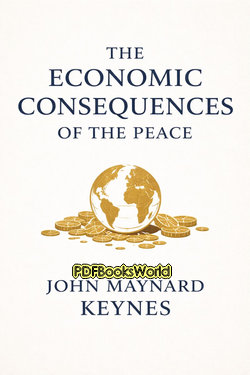
The Economic Consequences of the Peace
by John Maynard Keynes
John Maynard Keynes’ Warning About Europe’s Future
Few economic books created as much international debate as The Economic Consequences of the Peace by John Maynard Keynes. Written after the end of World War I, the book examines the Treaty of Versailles and argues that the harsh economic penalties imposed on Germany could create long-term instability across Europe.
Keynes combined economics, politics, and historical analysis to explain how financial decisions made after war could shape international peace, social conditions, and future political conflict.
A Critique of the Treaty of Versailles
After participating in the peace negotiations following World War I, Keynes became deeply concerned about the economic demands placed upon defeated nations. He believed that excessive reparations and economic punishment would damage European recovery rather than secure lasting peace.
The book criticized political leaders for focusing too heavily on punishment while ignoring broader economic realities affecting trade, employment, and reconstruction.
Important Topics Explored in the Book
- The economic effects of World War I
- The Treaty of Versailles and reparations
- European financial instability after the war
- The relationship between economics and politics
- The risks of economic hardship and social unrest
Why Keynes’ Arguments Became So Influential
Keynes argued that economic collapse could create political extremism, resentment, and future conflict. His warnings attracted attention because they connected financial policy directly to social and political stability.
Many later historians viewed the book as remarkably prophetic because Europe experienced severe economic and political turmoil during the decades that followed the treaty.
Major Themes Found Throughout the Work
- The importance of economic stability for peace
- The dangers of punitive political decisions
- The relationship between economics and society
- The impact of war on international systems
- The need for practical and balanced leadership
The Historical Importance of the Book
The Economic Consequences of the Peace became one of the most widely discussed political and economic works of the twentieth century. It influenced debates about international diplomacy, economic recovery, and postwar reconstruction for many years afterward.
The book also helped establish Keynes as one of the most influential economists in modern history.
Readers interested in twentieth-century history often explore the political and economic impact of the Treaty of Versailles to better understand the historical context surrounding Keynes’ arguments.
How Keynes Changed Economic Thinking
Beyond this book, John Maynard Keynes later transformed modern economics through his ideas about government spending, employment, and economic management during periods of crisis. His theories strongly influenced economic policy throughout the twentieth century.
The clarity and urgency of his writing helped make complex economic issues understandable to wider audiences.
Reasons the Book Continues to Be Studied
- Important analysis of postwar economic policy
- Insight into the political consequences of financial decisions
- Historically influential economic argument
- Accessible explanation of complex economic issues
- Connection between economics and global stability
The Lasting Relevance of Economic History
The relationship between economics, politics, and international stability remains highly relevant today. Books like The Economic Consequences of the Peace continue reminding readers that economic decisions can shape social conditions and political events far beyond immediate financial concerns.
Its historical significance continues attracting readers interested in diplomacy, economics, and twentieth-century history.
Final Thoughts
The Economic Consequences of the Peace remains one of the most influential political and economic works of the modern era. Through sharp analysis and historical insight, John Maynard Keynes warned about the dangers of economic instability and punitive postwar policies. Its enduring importance continues to shape discussions about economics, diplomacy, and international peace.
Similar Genres
About the Author
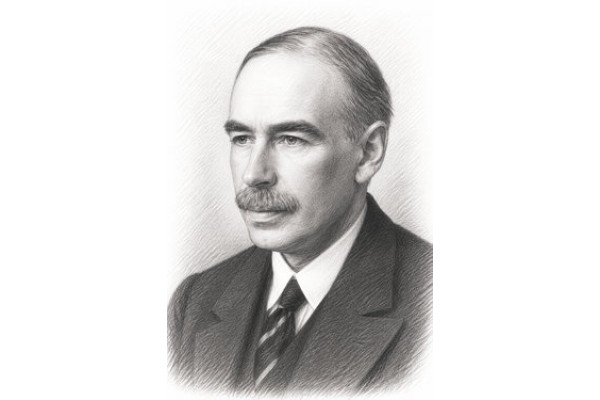
John Maynard Keynes was a British economist, author, and public intellectual whose revolutionary ideas transformed modern economic theory and public policy. Born in Cambridge, England, in 1883, Keynes challenged conventional economic thinking by arguing that governments could play an essential role in stabilizing economies during periods of recession and unemployment. Explore John Maynard Keynes books to discover the author's life, literary career, and access notable works, including A Tract on Monetary Reform , and more.