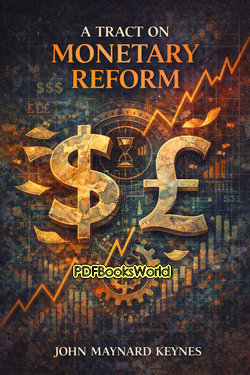
A Tract on Monetary Reform
by John Maynard Keynes
A Landmark Economic Study on Currency, Inflation, and Financial Stability
A Tract on Monetary Reform by John Maynard Keynes is a highly influential economic work examining inflation, currency policy, price stability, and the management of national economies during periods of financial uncertainty. Published in 1923, the book reflects the economic instability that followed World War I, when many nations struggled with inflation, debt, currency fluctuations, and weakened international financial systems.
In this important study, Keynes argues that governments and central banks must actively manage monetary policy to maintain economic stability. Rejecting rigid attachment to older financial systems, he emphasizes practical economic management over purely theoretical approaches.
The work blends economic analysis with political and financial commentary.
The Economic Problems After World War I
The book was written during a period of severe financial instability across Europe. Inflation, war debt, and fluctuating exchange rates created uncertainty affecting governments, businesses, and ordinary citizens.
Keynes discusses the dangers of uncontrolled inflation as well as the economic risks associated with deflation and rigid monetary systems. He criticizes policies that ignore real economic conditions in favor of strict adherence to outdated financial doctrines.
The work reflects growing concern about how unstable currencies could damage both national prosperity and social order.
Keynes’s Arguments About Monetary Policy
Keynes advocates flexible and carefully managed monetary policy aimed at preserving price stability and economic confidence. He argues that governments should focus on maintaining stable purchasing power rather than blindly restoring prewar currency standards.
The book also examines the relationship between savings, investment, wages, and public confidence within national economies.
Keynes’s emphasis on practical economic management became highly influential in later twentieth-century economic policy.
The Analytical Style of John Maynard Keynes
John Maynard Keynes writes in a clear, persuasive, and intellectually rigorous style combining economic theory with practical political analysis. His prose is notable for its directness and ability to explain complex financial ideas in accessible language.
The language reflects the growing importance of professional economics in shaping public policy during the modern era.
Keynes’s analytical clarity gives the work enduring intellectual power.
Main Themes and Economic Ideas
The book explores themes of inflation, monetary stability, government policy, economic management, currency systems, public confidence, financial reform, and the relationship between economics and political stability.
Through economic analysis and policy discussion, the work examines how monetary systems influence both prosperity and social conditions.
Why the Book Still Holds Importance
A Tract on Monetary Reform remains historically and economically significant because it helped shape modern thinking about central banking, inflation control, and economic policy. Many ideas introduced in the work influenced later economic reforms and debates throughout the twentieth century.
Readers interested in financial history and economic theory continue to study Keynes’s writings because of their profound influence on modern macroeconomics.
Its combination of practical insight and theoretical analysis continues to make it essential reading.
The Lasting Influence of Keynesian Economics
John Maynard Keynes became one of the most influential economists in modern history through his arguments for active government involvement in managing economic stability. His ideas reshaped economic policy during the Great Depression and after World War II.
Debates surrounding inflation, monetary policy, and economic intervention continue to reflect Keynes’s influence.
The continuing study of global economics and financial systems helps preserve admiration for works like this.
Final Thoughts
A Tract on Monetary Reform by John Maynard Keynes is a groundbreaking economic study exploring inflation, currency stability, and the practical management of national economies during periods of financial uncertainty. Through clear analysis and influential argument, Keynes presents a vision of monetary policy focused on stability, flexibility, and economic realism.
For readers interested in economics, financial history, monetary policy, and twentieth-century political thought, this work remains both intellectually important and historically influential.
Similar Genres
About the Author
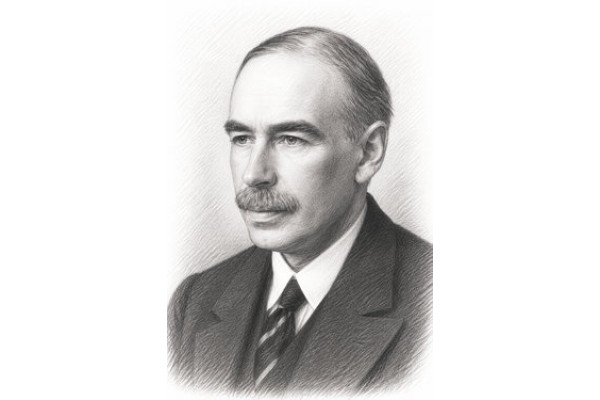
John Maynard Keynes was a British economist, author, and public intellectual whose revolutionary ideas transformed modern economic theory and public policy. Born in Cambridge, England, in 1883, Keynes challenged conventional economic thinking by arguing that governments could play an essential role in stabilizing economies during periods of recession and unemployment. Explore John Maynard Keynes books to discover the author's life, literary career, and access notable works, including The Economic Consequences of the Peace , and more.