John Maynard Keynes
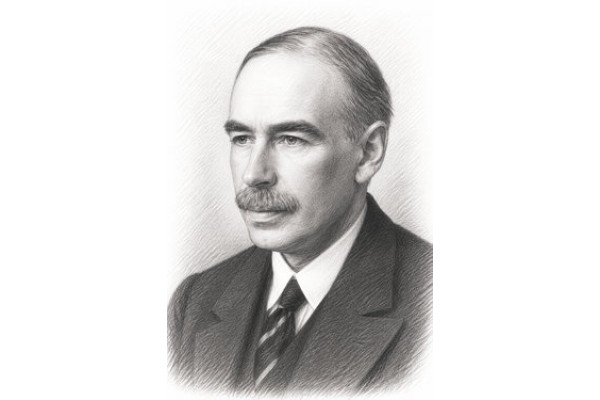
John Maynard Keynes was a British economist, author, and public intellectual whose revolutionary ideas transformed modern economic theory and public policy. Born in Cambridge, England, in 1883, Keynes challenged conventional economic thinking by arguing that governments could play an essential role in stabilizing economies during periods of recession and unemployment. His influential writings reshaped the study of economics and guided financial policy throughout much of the twentieth century. Combining rigorous analysis with practical insight, Keynes became one of the most important economists in modern history.
Revolutionizing Modern Economic Thought
John Maynard Keynes believed that economic prosperity depended not only on markets but also on informed public policy and effective government action during times of economic uncertainty. His books explored employment, investment, money, international trade, and fiscal policy while explaining how economic systems respond to changing conditions. Writing with remarkable clarity and analytical depth, Keynes made complex economic concepts accessible to students, policymakers, and general readers. His theories profoundly influenced governments, central banks, and academic research across the world.
Beyond his scholarly achievements, Keynes served as an adviser to the British government, participated in major international financial negotiations, and contributed to the creation of institutions that shaped the postwar global economy. His work continues to influence discussions on economic growth, financial stability, and public policy.
Essential Works
- The General Theory of Employment, Interest and Money is Keynes's landmark work, presenting the ideas that transformed modern macroeconomics and the understanding of unemployment, investment, and economic growth.
- The Economic Consequences of the Peace offers a powerful analysis of the Treaty of Versailles and its likely impact on Europe's political and economic future.
- A Treatise on Money examines monetary systems, banking, credit, and the relationship between money and economic activity.
- A Tract on Monetary Reform discusses inflation, currency stability, and the importance of sound monetary policy in maintaining economic prosperity.
- Essays in Persuasion gathers Keynes's influential essays on economics, politics, public policy, and international affairs.
- The End of Laissez-Faire presents Keynes's thoughtful examination of the appropriate balance between free markets and government intervention in economic life.
An Enduring Legacy in Economics
John Maynard Keynes's writings continue to shape economic theory and public policy through their profound insights into employment, finance, and economic stability. From The General Theory of Employment, Interest and Money and The Economic Consequences of the Peace to A Treatise on Money and Essays in Persuasion, his works remain foundational texts in modern economics. His enduring influence continues to guide economists, policymakers, students, and readers seeking to understand the forces that shape national and global economies.
If you enjoy economics, public policy, financial history, and influential works on modern economic theory, the writings of John Maynard Keynes are well worth exploring. At PDFBooksWorld, you can discover a carefully curated collection of his enduring works and gain insight into the ideas of one of the twentieth century's most influential economists.
The Economic Consequences of the Peace
John Maynard Keynes