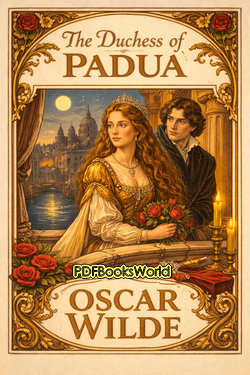
The Duchess of Padua
by Oscar Wilde
Love, Revenge, and Tragedy in Oscar Wilde’s Dark Historical Drama
The Duchess of Padua by Oscar Wilde is a dramatic tragedy filled with political intrigue, forbidden love, betrayal, and revenge. Written early in Wilde’s literary career, the play combines elements of classic revenge tragedy with the emotional intensity of romantic drama.
Set in sixteenth-century Italy, the story unfolds in a world of noble families, dangerous secrets, and violent ambition. Unlike Wilde’s later social comedies, this play carries a serious and emotional tone, focusing on passion, loyalty, and the destructive power of hatred.
The result is a dark and theatrical work that reveals a very different side of Wilde’s writing talent.
A Story of Vengeance and Dangerous Secrets
The play follows Guido Ferranti, a young man who arrives in Padua seeking revenge against the Duke, whom he believes responsible for his father’s death. As Guido becomes involved in the political and emotional life of the court, he unexpectedly falls in love with the Duchess of Padua.
This emotional conflict creates tension between love and revenge. Secrets, betrayals, and misunderstandings gradually push the story toward tragedy.
Wilde builds suspense carefully while exploring how strong emotions can lead people toward destructive choices.
Important Characters in the Play
Characters
- Guido Ferranti
The passionate young man torn between revenge, love, and moral conflict. - The Duchess of Padua
A complex and emotional noblewoman trapped within a dangerous political world. - The Duke Simone Gesso
The powerful ruler whose cruelty and ambition influence the tragedy. - Courtiers and Political Figures
Supporting characters who contribute to the atmosphere of suspicion and intrigue.
The emotional struggles and conflicting motivations of the characters drive the drama forward.
A Richly Theatrical and Emotional Writing Style
Unlike Wilde’s witty social comedies, The Duchess of Padua uses poetic language and dramatic speeches to create emotional intensity. The dialogue often feels passionate, romantic, and tragic.
Wilde draws inspiration from Shakespearean tragedy and Italian Renaissance drama, filling the play with powerful confrontations and emotional conflict. The historical setting adds grandeur and atmosphere to the story.
The combination of romance, violence, and political intrigue creates a strong sense of theatrical drama.
Main Themes Explored Throughout the Play
Themes
- Love and Revenge
The play examines how passion and hatred can become dangerously connected. - Power and Corruption
Political authority and personal ambition create fear and moral decay. - Fate and Tragedy
Characters struggle against emotional forces that seem impossible to escape. - Loyalty and Betrayal
Relationships become complicated by deception, suspicion, and conflicting desires.
These themes give the play emotional weight while supporting its dramatic atmosphere.
An Early and Serious Work From Oscar Wilde
Readers familiar with Wilde’s famous comedies may be surprised by the dark tone of The Duchess of Padua. The play focuses far more on tragedy and emotional conflict than humor or satire.
However, Wilde’s love of elegant language and dramatic style remains clear throughout the work. The play demonstrates his ambition as a writer long before he became famous for his witty social plays.
It also reveals Wilde experimenting with larger emotional and historical themes early in his literary career.
Why the Play Still Holds Literary Interest
Even today, The Duchess of Padua remains interesting because of its passionate storytelling and rich theatrical atmosphere. The themes of revenge, love, ambition, and betrayal continue to resonate with modern audiences.
The play also provides valuable insight into Wilde’s artistic development and his interest in tragic drama before achieving fame as a comic playwright.
For readers interested in historical tragedy, emotional drama, and lesser-known works by Oscar Wilde, this play remains a fascinating and rewarding read.
Similar Genres
About the Author
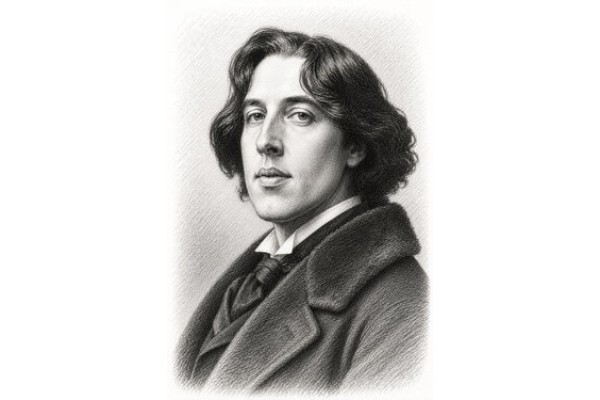
Oscar Wilde remains one of the most admired writers of the Victorian era, celebrated for his brilliant wit, elegant prose, and enduring literary imagination. Born in Dublin, Ireland, in 1854, Wilde established himself as a novelist, playwright, poet, and essayist whose works continue to delight readers more than a century after they were written. Explore Oscar Wilde books to discover the author's life, literary career, and access notable works, including The Importance of Being Earnest, The Canterville Ghost, The Picture of Dorian Gray, An Ideal Husband , and more.