The Devil
by Graf Leo Tolstoy
A Brilliant Satirical Masterpiece of Wit and Cynicism
The Devil's Dictionary by Ambrose Bierce is one of the most celebrated works of American satire. First published in book form in 1906 after appearing over many years in newspapers and magazines, the work presents an alphabetical collection of humorous, ironic, and often biting definitions that challenge conventional ideas about society, politics, religion, business, and human nature.
Rather than providing ordinary dictionary meanings, Bierce redefines familiar words through the lens of skepticism and dark humor. The result is a unique literary work that remains both entertaining and thought-provoking more than a century after its publication.
A Dictionary Unlike Any Other
The book takes the familiar format of a dictionary and transforms it into a vehicle for satire. Each entry offers an unexpected interpretation that exposes hypocrisy, vanity, greed, or self-deception. Some definitions are only a sentence long, while others include short anecdotes, epigrams, or poems.
This innovative structure allows readers to browse the book at random or read it from beginning to end.
Bierce's Sharp Sense of Humor
Ambrose Bierce was renowned for his wit, and The Devil's Dictionary showcases it at its finest. His humor is often cynical, but it is also highly intelligent and carefully crafted. He delights in revealing the gap between ideals and reality, frequently exposing the absurdities of human behavior.
Many of the book's definitions have become famous examples of literary satire.
Highlights of the Work
- Satirical Definitions: Clever reinterpretations of everyday words.
- Literary Wit: Sharp observations expressed with humor and precision.
- Social Criticism: Commentary on politics, religion, and society.
- Unique Format: A dictionary transformed into a work of literature.
- Timeless Appeal: Observations that remain relevant across generations.
A Mirror of Human Nature
Although the book is humorous, its deeper purpose is to examine human behavior. Bierce portrays people as imperfect, self-interested, and often contradictory. His definitions encourage readers to question assumptions and look more critically at accepted beliefs and institutions.
This combination of humor and insight gives the work its lasting significance.
Major Themes
- Satire: Using humor to expose flaws and contradictions.
- Skepticism: Questioning accepted ideas and conventions.
- Human Nature: Exploring ambition, vanity, and self-interest.
- Language: Playing creatively with words and meanings.
- Social Critique: Examining institutions and cultural assumptions.
Ambrose Bierce's Literary Legacy
Ambrose Bierce was one of America's most distinctive writers, known for his journalism, short stories, and satirical works. His sharp intellect and uncompromising style earned him both admirers and critics. The Devil's Dictionary remains his most famous achievement and is widely regarded as a classic of humorous literature.
Its influence can be seen in countless later works of satire and social commentary.
Why the Book Remains Popular
The Devil's Dictionary continues to delight readers because its wit feels remarkably fresh and modern. Many of the social behaviors and institutions Bierce mocked still exist today, making his observations surprisingly relevant.
For readers interested in satire, humor, language, and literary criticism, the book offers a rich collection of memorable insights and clever wordplay. Its combination of intelligence, originality, and irreverent humor ensures its enduring place in literary history.
Similar Genres
About the Author
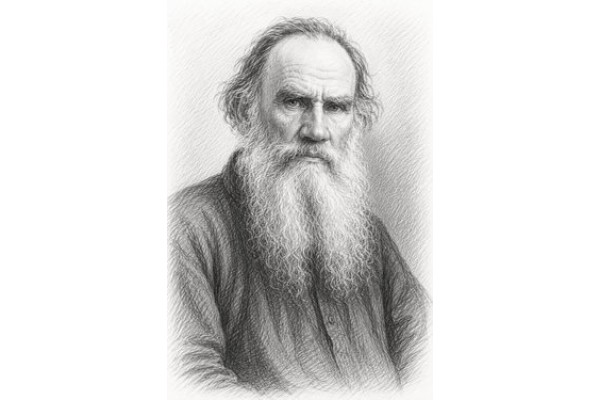
Graf Leo Tolstoy, better known as Leo Tolstoy, stands among the greatest novelists in world literature. Born into Russian nobility in 1828, he combined extraordinary storytelling with profound philosophical insight, creating works that explore the complexities of human nature, morality, faith, and society. Explore Graf Leo Tolstoy books to discover the author's life, literary career, and access notable works, including Anna Karenina, My Religion, War and Peace, Katia , and more.