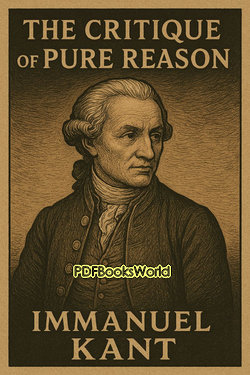
The Critique of Pure Reason
by Immanuel Kant
Knowledge, Reality, and Human Understanding in The Critique of Pure Reason
The Critique of Pure Reason by Immanuel Kant is one of the most influential works in the history of philosophy. First published in 1781, the book transformed modern philosophical thought by examining how human beings understand reality, knowledge, and experience.
Kant attempts to answer difficult questions about the limits of human reason. He asks how people can know anything about the world and whether knowledge comes from experience, rational thought, or a combination of both. The work became a turning point in modern philosophy because it challenged earlier ideas about perception and truth.
Why the Book Remains Important
Kant’s ideas reshaped philosophy by arguing that the human mind actively organizes experience rather than simply receiving information from the outside world. His theories influenced later discussions about science, ethics, politics, psychology, and metaphysics.
Reasons Philosophers Continue to Study the Work
- Groundbreaking theory of human knowledge
- Influence on modern philosophy and science
- Complex exploration of reason and perception
- Connection between experience and understanding
- Lasting impact on Western intellectual history
The book remains central to discussions about reality, consciousness, and the limits of human understanding.
Kant’s “Copernican Revolution” in Philosophy
Kant famously argued that knowledge is shaped not only by the external world but also by the structure of the human mind itself. Instead of assuming the mind simply reflects reality, he proposed that the mind organizes sensory experience according to built-in categories and concepts.
This approach became known as Kant’s “Copernican Revolution” because it dramatically changed the way philosophers thought about knowledge and perception.
Readers interested in Enlightenment philosophy can explore Britannica’s article on the Enlightenment.
Reason, Experience, and Reality
Kant divides knowledge into different categories, arguing that some understanding comes from experience while other concepts are necessary for thought itself. He also examines the limits of reason, warning that human beings cannot fully know things beyond possible experience.
These ideas became highly influential in later philosophy, especially in discussions about metaphysics and epistemology.
Major Themes in the Book
- The limits of human knowledge
- The relationship between reason and experience
- Perception and reality
- The structure of human understanding
- The role of consciousness in knowledge
Kant’s Philosophical Style
Immanuel Kant’s writing is known for its precision, complexity, and analytical depth. Although the book can be difficult to read, it remains admired for the ambition and originality of its arguments.
Kant carefully builds his ideas step by step, creating a systematic approach to philosophy that influenced generations of thinkers.
More about Immanuel Kant’s life and philosophical influence can be found through Encyclopaedia Britannica’s biography of Immanuel Kant.
The Book’s Influence on Modern Thought
The Critique of Pure Reason influenced nearly every major philosophical movement that followed it, including German Idealism, phenomenology, existentialism, and modern epistemology.
Thinkers across philosophy, literature, psychology, and political theory continue to engage with Kant’s ideas about human understanding and the nature of reality.
Readers interested in the study of knowledge and philosophical inquiry can also visit Stanford Encyclopedia of Philosophy’s article on epistemology.
Final Thoughts
The Critique of Pure Reason remains one of the most challenging and influential works ever written about human knowledge and perception. Immanuel Kant transformed philosophy by asking profound questions about reality, reason, and the limits of human understanding.
Similar Genres
About the Author
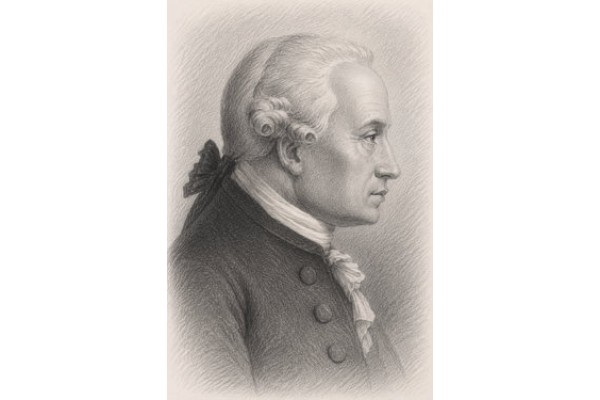
Immanuel Kant was a German philosopher whose revolutionary ideas transformed philosophy and profoundly influenced ethics, metaphysics, political theory, aesthetics, and the philosophy of science. Born in Königsberg, Prussia, in 1724, Kant devoted his life to the pursuit of knowledge, teaching, and scholarly inquiry. Explore Immanuel Kant books to discover the author's life, literary career, and access notable works, including Fundamental Principles of the Metaphysic of Morals , and more.