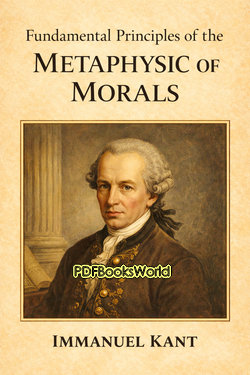
Fundamental Principles of the Metaphysic of Morals
by Immanuel Kant
Duty, Morality, and Human Reason in Fundamental Principles of the Metaphysic of Morals
Fundamental Principles of the Metaphysic of Morals by Immanuel Kant is one of the most important works in moral philosophy. In this influential book, Kant explores the foundations of ethics and argues that true morality should be based on reason, duty, and universal principles rather than emotion or personal advantage.
Although the ideas can be challenging, the book has shaped modern discussions about ethics, human responsibility, and moral decision-making for centuries.
Kant’s Central Moral Idea
Kant believed that moral actions are valuable not because of their results, but because they are performed out of duty and respect for moral law.
According to his philosophy:
- People should act according to universal moral principles
- Good intentions matter more than personal gain
- Morality should apply equally to everyone
- Reason is the foundation of ethical behavior
This approach became one of the central ideas of modern ethical philosophy.
The Concept of the Categorical Imperative
One of Kant’s most famous ideas is the “categorical imperative,” a principle used to judge whether an action is morally right.
In simple terms, Kant argues that people should only act in ways they would want everyone else to follow as universal rules.
For example, if lying became acceptable for everyone, trust and honesty would disappear from society.
Kant therefore believed moral rules must be consistent and universal.
Major Themes in the Book
Duty and Responsibility form the center of Kant’s ethical system. Moral behavior comes from doing what is right even when it is difficult.
Reason and Rational Thought are treated as essential tools for understanding moral truth.
Human Dignity also plays a major role. Kant argues that people should never be treated merely as tools for someone else’s benefit.
Universal Morality appears throughout the book as Kant searches for ethical principles that apply to all human beings.
Kant’s Philosophical Writing Style
Immanuel Kant writes in a highly analytical and structured style focused on careful reasoning and logical argument.
His work includes:
- Detailed philosophical analysis
- Logical argumentation
- Abstract ethical concepts
- Careful definitions of moral ideas
Although demanding at times, the book rewards readers interested in deep philosophical thinking.
Why the Book Remains Influential
Fundamental Principles of the Metaphysic of Morals continues to influence ethics, political theory, law, and human rights discussions.
Kant’s ideas remain important in debates involving:
Justice, personal responsibility, moral obligations, human dignity, and the ethical limits of individual behavior.
His philosophy helped shape many modern ideas about universal human rights and moral equality.
The Difference Between Duty and Desire
One of Kant’s most challenging arguments is that morality should not depend mainly on emotions, desires, or consequences.
Instead, he argues that ethical actions should come from:
- Respect for moral law
- Rational judgment
- Commitment to duty
- Universal ethical principles
This strict moral approach remains both influential and widely debated.
Who Should Read This Book?
Fundamental Principles of the Metaphysic of Morals is especially suited for readers interested in:
Philosophy, ethics, moral theory, political thought, intellectual history, and classical philosophical writing.
Students of philosophy often study the work as an introduction to Kant’s ethical system.
Final Thoughts
Fundamental Principles of the Metaphysic of Morals by Immanuel Kant remains one of the foundational texts of moral philosophy. Through careful reasoning and powerful ethical arguments, Kant attempts to define universal principles for human behavior and moral responsibility.
Although intellectually demanding, the book continues to shape discussions about ethics, duty, freedom, and human dignity around the world.
Similar Genres
About the Author
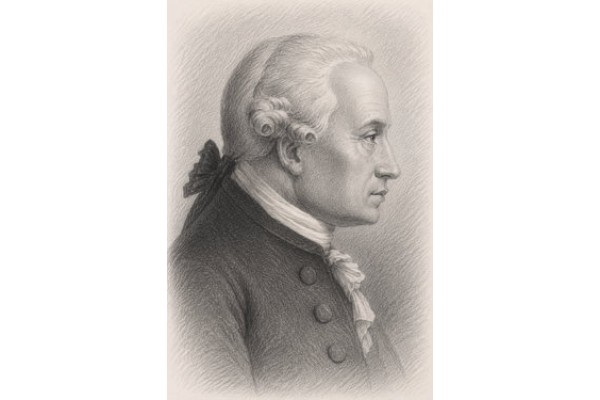
Immanuel Kant was a German philosopher whose revolutionary ideas transformed philosophy and profoundly influenced ethics, metaphysics, political theory, aesthetics, and the philosophy of science. Born in Königsberg, Prussia, in 1724, Kant devoted his life to the pursuit of knowledge, teaching, and scholarly inquiry. Explore Immanuel Kant books to discover the author's life, literary career, and access notable works, including The Critique of Pure Reason , and more.