Immanuel Kant
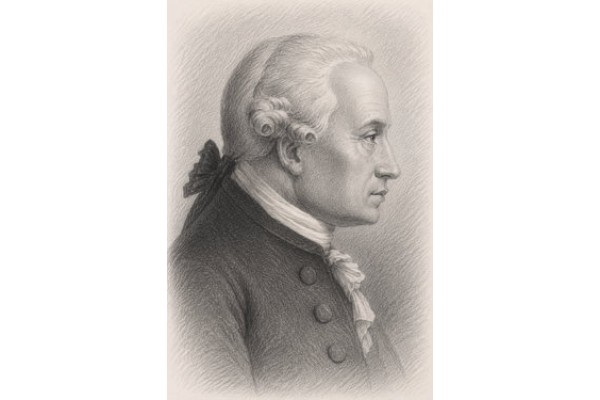
Immanuel Kant was a German philosopher whose revolutionary ideas transformed philosophy and profoundly influenced ethics, metaphysics, political theory, aesthetics, and the philosophy of science. Born in Königsberg, Prussia, in 1724, Kant devoted his life to the pursuit of knowledge, teaching, and scholarly inquiry. His rigorous examination of reason, morality, and human understanding reshaped Enlightenment thought and established the foundations of modern philosophy. Through his systematic approach to logic and ethics, Kant continues to inspire philosophers, scholars, and readers seeking to understand the nature of knowledge, freedom, and moral responsibility.
Reason, Morality, and Human Understanding
Immanuel Kant believed that reason and moral duty were central to human life. His writings explored the limits of human knowledge, the foundations of ethical behavior, the nature of freedom, and the principles that govern justice and political society. By arguing that morality should be guided by universal principles rather than personal desires or consequences, Kant introduced ideas that continue to influence philosophy, law, politics, and human rights. His works challenged readers to think critically while emphasizing personal responsibility, rational inquiry, and respect for human dignity.
Beyond philosophy, Kant wrote extensively on science, geography, religion, and anthropology, demonstrating remarkable intellectual breadth. His contributions marked a turning point in Western thought and remain essential reading for anyone interested in philosophy and the history of ideas.
Essential Works
- Critique of Pure Reason is Kant's landmark philosophical work, examining the nature and limits of human knowledge and establishing the foundations of modern epistemology.
- Critique of Practical Reason explores ethics, free will, and moral duty, explaining how reason guides human conduct and moral decision-making.
- Critique of Judgment investigates beauty, aesthetics, and the experience of the sublime while connecting art, nature, and human understanding.
- Groundwork of the Metaphysics of Morals introduces Kant's influential theory of the categorical imperative and the principles of universal moral obligation.
- Perpetual Peace: A Philosophical Sketch presents Kant's enduring vision for international cooperation, peace, and lawful relations among nations.
- The Metaphysics of Morals offers a comprehensive examination of justice, rights, virtue, and the ethical principles governing individuals and society.
An Enduring Legacy in Philosophy
Immanuel Kant's writings continue to shape philosophy, ethics, political theory, and the humanities through their intellectual depth and enduring relevance. From Critique of Pure Reason and Groundwork of the Metaphysics of Morals to Perpetual Peace and The Metaphysics of Morals, his works challenge readers to examine reason, morality, and the responsibilities of free individuals within society. His philosophical legacy remains one of the greatest achievements in the history of human thought.
If you enjoy philosophy, ethics, political theory, and classic works that explore the foundations of human knowledge and moral responsibility, the writings of Immanuel Kant are well worth exploring. At PDFBooksWorld, you can discover a carefully curated collection of his enduring works and experience the ideas of one of history's most influential philosophers.
The Critique of Pure Reason
Immanuel Kant