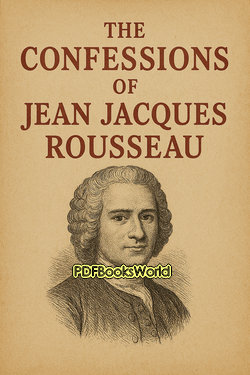
The Confessions of Jean Jacques Rousseau
by Jean Jacques Rousseau
A Deeply Personal Journey Through Memory, Emotion, and Self-Reflection
The Confessions of Jean Jacques Rousseau by Jean-Jacques Rousseau is one of the most influential autobiographical works in literary history. Written during the eighteenth century, the book presents Rousseau’s life story with remarkable honesty and emotional openness, describing his childhood, relationships, struggles, beliefs, and personal experiences.
The work became famous because Rousseau attempted to reveal his thoughts and emotions without hiding his weaknesses or mistakes. His confessional style helped shape modern autobiography and influenced later writers connected to Romanticism and personal narrative literature.
About the Author
Jean-Jacques Rousseau was a philosopher, writer, and political thinker whose ideas influenced literature, education, politics, and philosophy. He became one of the most important intellectual figures of the Enlightenment period.
Rousseau’s writings often focused on human nature, freedom, society, and emotion. His belief that feelings and personal experience were important parts of human identity strongly influenced later Romantic writers and philosophers.
Main Themes of the Book
The book explores Rousseau’s inner life as well as the events that shaped his personality and beliefs. He reflects on both joyful and painful moments while attempting to understand himself honestly.
Important Themes Discussed
- Personal identity and self-examination
- Emotion and human nature
- Freedom and individuality
- Memory, guilt, and personal growth
Rousseau often examines how society affects human behavior and how personal experiences shape emotions and character.
The Importance of Personal Truth
One of the most important aspects of the book is Rousseau’s determination to present his life truthfully, including his mistakes and personal flaws. He believed honesty about human emotions and weaknesses could reveal deeper truths about human nature.
This emotional openness made the work highly unusual for its time and helped create a more personal style of autobiographical writing.
What Makes the Book Unique
- Highly emotional and honest storytelling
- Strong focus on personal reflection
- Influence on autobiographical literature
Writing Style
Rousseau’s writing style is emotional, reflective, and philosophical. He combines vivid memories with deep personal analysis, allowing readers to understand his thoughts and feelings in detail.
The book moves between storytelling and philosophical reflection, creating an intimate and thoughtful reading experience.
Historical Importance
The Confessions became one of the most important autobiographical works in the history of autobiographical literature. Its emotional honesty and focus on individuality influenced later writers, philosophers, and artists across Europe.
Historical Features
- Early modern autobiography
- Influence on Romantic literature and philosophy
- Reflection of Enlightenment ideas and personal freedom
The book also provides insight into eighteenth-century society, intellectual life, and changing ideas about emotion and identity.
Lessons for Modern Readers
Modern readers continue to appreciate the book’s honesty, emotional depth, and exploration of human nature. Rousseau’s reflections on identity, society, and personal experience remain meaningful to readers interested in philosophy, psychology, and literature.
The work also encourages readers to think about the importance of self-awareness and emotional truth in understanding human life.
Conclusion
The Confessions of Jean Jacques Rousseau remains a landmark work of autobiography and philosophical reflection. Through emotional honesty and detailed self-examination, Rousseau created a deeply personal narrative that continues to influence literature, philosophy, and modern ideas about individuality and human emotion.
Similar Genres
About the Author
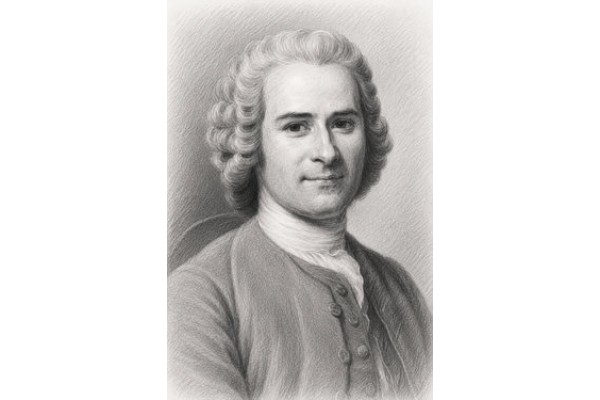
Jean-Jacques Rousseau was a Genevan philosopher, political thinker, novelist, educator, and composer whose revolutionary ideas transformed modern philosophy, education, and political theory. Born in Geneva in 1712, Rousseau became one of the leading intellectuals of the Enlightenment, challenging conventional views on society, government, freedom, and human nature. Explore Jean Jacques Rousseau books to discover the author's life, literary career, and access notable works, including Emile, Or Treatise on Education , and more.