Jean Jacques Rousseau
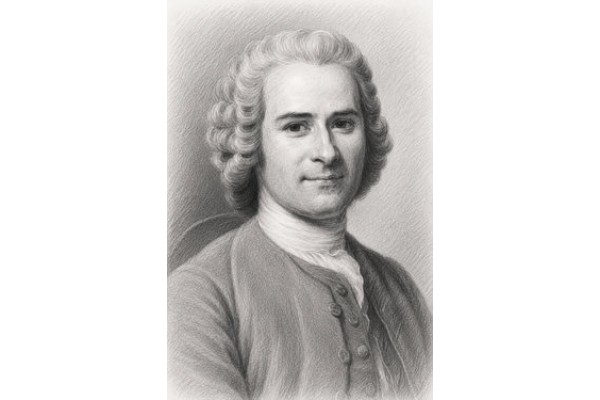
Jean-Jacques Rousseau was a Genevan philosopher, political thinker, novelist, educator, and composer whose revolutionary ideas transformed modern philosophy, education, and political theory. Born in Geneva in 1712, Rousseau became one of the leading intellectuals of the Enlightenment, challenging conventional views on society, government, freedom, and human nature. His writings inspired profound changes in educational practice, democratic thought, and social philosophy, influencing movements that shaped the modern world. Through his eloquent prose and bold ideas, Rousseau remains one of history's most influential and widely studied philosophers.
Championing Freedom, Education, and Human Nature
Jean-Jacques Rousseau believed that people were naturally good and that society played a decisive role in shaping human character. His books explored liberty, equality, education, citizenship, morality, and the relationship between individuals and the state, encouraging readers to question established institutions while seeking a more just and humane society. Combining philosophical reasoning with literary elegance, Rousseau's works profoundly influenced political thought, educational reform, and the development of modern democratic ideals. His writings continue to inspire readers interested in the foundations of freedom and human dignity.
Beyond his philosophical works, Rousseau wrote novels, autobiographical reflections, and essays on music and culture. His remarkable ability to unite intellectual inquiry with personal expression secured his place among the greatest thinkers of the Enlightenment.
Essential Works
- The Social Contract is Rousseau's landmark work of political philosophy, examining popular sovereignty, civic responsibility, and the principles of legitimate government.
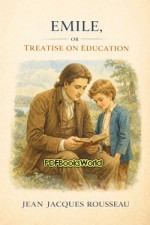
- Émile, or On Education presents his influential philosophy of education, emphasizing natural learning, moral development, and the importance of childhood experience.
- Discourse on the Origin and Basis of Inequality Among Men explores the development of human society and the origins of social inequality.
- Julie, or the New Heloise is Rousseau's celebrated novel, blending romance with reflections on virtue, education, and the natural world.
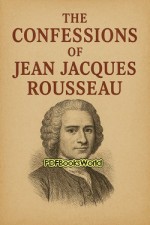
- Confessions is one of the earliest modern autobiographies, offering a remarkably candid account of Rousseau's life, thoughts, and personal experiences.
- Reveries of a Solitary Walker presents a series of reflective essays exploring nature, memory, philosophy, and the search for inner peace.
An Enduring Legacy in Philosophy and Political Thought
Jean-Jacques Rousseau's writings continue to shape discussions of education, democracy, freedom, and human nature. From The Social Contract and Émile, or On Education to Confessions, Julie, or the New Heloise, and Reveries of a Solitary Walker, his works remain foundational texts in philosophy and political theory. His enduring legacy continues to influence scholars, educators, policymakers, and readers seeking to understand the principles of liberty, equality, and human development.
If you enjoy philosophy, political thought, educational theory, and classic works that explore freedom and society, the writings of Jean-Jacques Rousseau are well worth exploring. At PDFBooksWorld, you can discover a carefully curated collection of his enduring works and experience the ideas of one of the Enlightenment's greatest philosophers.
The Confessions of Jean Jacques Rousseau
Jean Jacques Rousseau