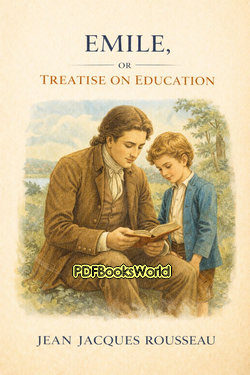
Emile, Or Treatise on Education
by Jean Jacques Rousseau
Education, Freedom, and Human Nature in Rousseau’s Emile
Long before modern debates about education and child development began, Emile by Jean-Jacques Rousseau challenged traditional ideas about how children should learn and grow. First published in the eighteenth century, the book became one of the most influential works ever written about education, personal freedom, and human development.
Rather than presenting education as strict discipline and memorization, Rousseau argued that children should develop naturally through experience, curiosity, and personal discovery. His ideas transformed educational philosophy and continue to influence teaching methods today.
At its core, the book explores:
Childhood development, moral education, independence, emotional growth, learning through experience, and the relationship between society and human nature.
The Structure and Purpose of the Book
Emile follows the fictional education of a boy named Emile from childhood to adulthood. Through this imagined student, Rousseau explains how education should adapt to different stages of life.
Instead of forcing children to behave like adults too early, Rousseau believed education should respect the natural pace of growth and emotional maturity.
The book is divided into sections that focus on:
- Early childhood learning
- Physical development
- Moral understanding
- Emotional education
- Preparation for adult life
Rousseau’s Revolutionary Educational Ideas
Many educational systems during Rousseau’s time focused heavily on strict discipline and classical memorization. Rousseau criticized these methods and argued that children learn better through direct experience and observation.
He believed that education should encourage:
Curiosity, independence, critical thinking, practical experience, creativity, and emotional balance.
According to Rousseau, children should not simply obey rules blindly. Instead, they should gradually learn through natural consequences and personal understanding.
Main Ideas Presented in Emile
- Natural Development – Children should grow according to their natural abilities and emotional readiness.
- Learning Through Experience – Practical activities and real experiences are more valuable than memorizing information.
- Freedom and Independence – Education should help individuals think for themselves rather than depend entirely on authority.
- Moral Growth – Character and ethical understanding are treated as essential parts of education.
- Connection With Nature – Rousseau believed that time spent in natural environments supported healthy development.
The Influence of Emile on Modern Education
The ideas presented in Emile had a major impact on educational philosophy across Europe and beyond. Many later educators adopted Rousseau’s belief that teaching should focus on the needs and experiences of the child.
Modern educational methods influenced by Rousseau include:
Child-centered learning, experiential education, developmental psychology, creative learning environments, and individualized instruction.
Although some of Rousseau’s ideas remain controversial, his influence on modern education is undeniable.
Rousseau’s Writing Style
Unlike a formal textbook, Emile combines philosophy, storytelling, social criticism, and educational theory. Rousseau writes in a thoughtful and often emotional style that encourages readers to question traditional assumptions.
The conversational tone makes complex philosophical ideas more accessible to general readers. Rousseau also uses vivid examples and imagined situations to explain his educational principles clearly.
This combination of philosophy and storytelling helped make the book widely influential.
Controversy and Historical Impact
When Emile was first published, some of its religious and political ideas caused major controversy. Authorities in several places criticized and banned the book because they believed its ideas challenged traditional institutions.
Despite the criticism, the work became one of the most important books of the Enlightenment period.
Its discussions about freedom, individuality, and education continued to influence philosophers, teachers, and political thinkers for generations.
Final Thoughts
Emile by Jean-Jacques Rousseau remains a landmark work in the history of education and philosophy. Through its thoughtful exploration of childhood, learning, and personal development, the book challenged traditional ideas and introduced a more human-centered approach to education.
For readers interested in philosophy, teaching, psychology, or intellectual history, Emile continues to offer important insights into how people learn, grow, and develop as individuals.
Similar Genres
About the Author
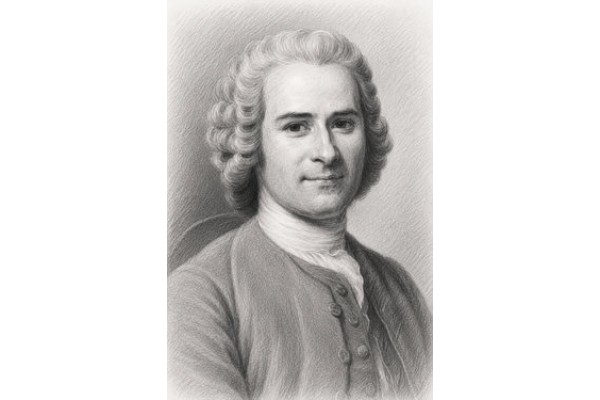
Jean-Jacques Rousseau was a Genevan philosopher, political thinker, novelist, educator, and composer whose revolutionary ideas transformed modern philosophy, education, and political theory. Born in Geneva in 1712, Rousseau became one of the leading intellectuals of the Enlightenment, challenging conventional views on society, government, freedom, and human nature. Explore Jean Jacques Rousseau books to discover the author's life, literary career, and access notable works, including The Confessions of Jean Jacques Rousseau , and more.