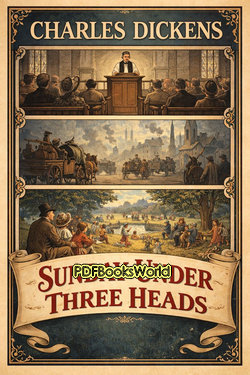
Sunday Under Three Heads
by Charles Dickens
Three Different Visions of Society Collide in a Bold Social Satire
Sunday Under Three Heads by Charles Dickens is one of the author’s more openly political and satirical works. Rather than telling a traditional emotional story, the piece imagines different possible futures shaped by changing laws and social attitudes surrounding education, recreation, and public life on Sundays.
Using humor, exaggeration, and sharp social commentary, Dickens explores how excessive restriction and moral control could affect ordinary people. The work reflects debates taking place during Victorian England about how citizens should spend their leisure time and how much authority society should exercise over personal behavior.
The result feels energetic, provocative, and surprisingly modern in its concerns about freedom and public regulation.
The Story Imagines Different Versions of the Future
The structure of the work is unusual because Dickens presents several contrasting visions of society depending on how strict social rules become. These imagined futures allow him to criticize what he viewed as excessive moral control and joyless regulation.
Through satire and exaggeration, the narrative explores:
- Restrictions on entertainment and recreation
- Government influence over daily behavior
- The balance between morality and personal freedom
- The emotional effects of overly rigid social systems
- The importance of leisure and ordinary happiness
These ideas give the work a more openly argumentative tone than many of Dickens’ fictional stories.
Dickens Uses Humor as a Weapon
Rather than delivering dry political argument, Dickens relies heavily on comic exaggeration and absurd scenarios to make his points more memorable.
Exaggerated Authority Figures
Certain characters and institutions appear overly strict, self-important, or disconnected from ordinary human life.
Absurd Social Rules
The imagined restrictions become increasingly unreasonable and intrusive.
Playful Mockery
Dickens satirizes moral rigidity by showing how lifeless society could become without enjoyment and human warmth.
This humorous style keeps the work lively despite its serious themes.
The Piece Reflects Real Victorian Debates
During the nineteenth century, public arguments about Sunday observance became highly controversial in England. Some groups wanted strict limits on entertainment and leisure activities, believing Sundays should remain entirely devoted to religious seriousness and discipline.
Dickens strongly opposed extreme restrictions that prevented ordinary working people from enjoying recreation or relaxation.
The work therefore reflects broader Victorian discussions involving:
- Public morality
- Religious influence on society
- Workers’ rights to leisure time
- Government control over behavior
- The emotional health of communities
These historical concerns shape the entire satire.
The Writing Style Feels Fast and Theatrical
The prose carries strong energy and dramatic exaggeration. Dickens writes with urgency, often presenting his imagined futures in vivid and exaggerated detail.
Sharp Satirical Tone
The narration openly mocks ideas Dickens considered harmful or unreasonable.
Vivid Social Imagery
The imagined societies feel exaggerated yet strangely believable.
Public Speaking Influence
Parts of the work resemble lively political speech more than quiet literary reflection.
This theatrical approach helps the satire feel immediate and emotionally charged.
The Core Argument Centers on Human Happiness
Beneath the political satire lies Dickens’ belief that ordinary people deserve joy, rest, and opportunities for simple recreation. He argues against systems that reduce life to rigid discipline without compassion or understanding.
The piece repeatedly suggests that:
- Human beings need leisure and emotional relief
- Kindness matters more than harsh moral control
- Overregulation can damage social happiness
- Public life should include warmth and humanity
These ideas remain relevant well beyond the Victorian period.
A Sharp and Unusual Example of Dickens’ Social Commentary
Sunday Under Three Heads remains interesting because it reveals Charles Dickens working directly as a satirist and social critic rather than primarily as a novelist. Through humor and exaggerated future visions, he questions how society balances morality, freedom, and everyday human happiness.
Readers interested in Victorian social debates, political satire, and Dickens’ public opinions may find the work especially fascinating. Beneath its comic exaggeration lies a serious argument about preserving humanity and joy within modern society.
Similar Genres
About the Author
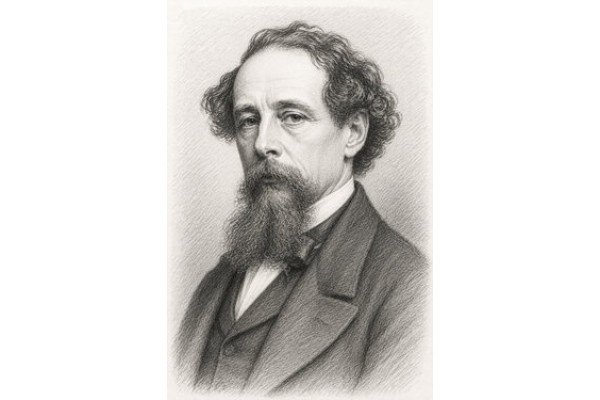
Charles Dickens transformed the Victorian novel into a powerful reflection of everyday life, giving a voice to the poor, the forgotten, and the disadvantaged. Born in Portsmouth, England, in 1812, he experienced financial hardship during his childhood, an experience that deeply influenced his writing. Explore Charles Dickens books to discover the author's life, literary career, and access notable works, including A Tale of Two Cities, Great Expectations, A Christmas Carol, Oliver Twist , and more.