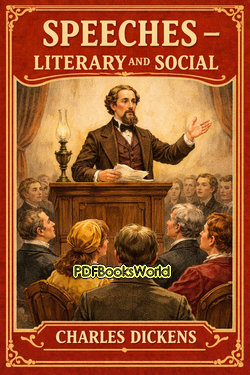
Speeches - Literary and Social
by Charles Dickens
The Public Voice of a Writer Who Rarely Stayed Silent
Charles Dickens was not only a novelist. He was also a powerful public speaker who addressed audiences on literature, education, social conditions, charity, publishing, and everyday human behavior. Speeches: Literary and Social collects many of these public addresses, revealing a side of Dickens that feels energetic, humorous, opinionated, and deeply engaged with society.
Unlike his fictional works, these speeches present Dickens speaking directly to listeners about the world around him. Some are playful and entertaining, while others express serious concern about poverty, public responsibility, and the condition of Victorian society.
The collection shows how strongly Dickens believed writers and public figures should participate in social life rather than remain distant observers.
Literature and Public Life Constantly Intersect
Throughout the speeches, Dickens often discusses storytelling, publishing, and the responsibilities connected to literature. He treats books not simply as entertainment, but as something capable of influencing public thought and emotional understanding.
His comments frequently focus on:
- The importance of reading and education
- The role of imagination in society
- The relationship between literature and morality
- The duties of writers and publishers
- The value of intellectual curiosity
These reflections help readers understand how seriously Dickens approached his literary career.
Social Concerns Appear Again and Again
Many speeches move beyond literature and address social problems directly. Dickens repeatedly speaks about poverty, working conditions, public institutions, and the treatment of vulnerable people.
Rather than using cold political language, he often relies on emotional appeal, vivid examples, and personal observation.
Concern for the Poor
Dickens strongly criticizes indifference toward suffering and social inequality.
Support for Education
He frequently argues that learning and opportunity can improve lives and strengthen society.
Public Responsibility
The speeches encourage compassion, civic engagement, and moral accountability.
These themes closely connect to the concerns found throughout his novels.
The Speaking Style Feels Lively and Theatrical
One reason the collection remains engaging is Dickens’ strong sense of performance. He understood how to hold the attention of large audiences through humor, rhythm, storytelling, and dramatic emphasis.
Readers can sense his public presence through:
- Sharp wit and playful remarks
- Emotional intensity
- Vivid descriptions
- Direct appeals to listeners
- Moments of irony and satire
The speeches rarely feel dry or overly formal. Instead, they carry the energy of someone fully aware of his audience.
The Collection Reveals Victorian Society in Motion
Beyond Dickens himself, the speeches provide insight into the concerns and debates shaping nineteenth-century England. Rapid industrial growth, urban expansion, social reform movements, and changing cultural expectations all appear throughout the collection.
Readers gain glimpses into a society wrestling with:
- Economic inequality
- Educational reform
- Urban poverty
- The responsibilities of public institutions
- The growing influence of mass readership
This historical context adds depth to the speeches and helps explain why Dickens became such an influential public figure.
A More Personal and Immediate Dickens
Unlike carefully structured fiction, speeches often reveal personality more directly. Here Dickens appears spontaneous, passionate, humorous, and occasionally impatient with injustice or foolishness.
The collection allows readers to encounter:
The Entertainer
A speaker capable of making audiences laugh through lively storytelling and comic observation.
The Social Critic
A public figure deeply troubled by poverty and institutional failure.
The Literary Professional
A writer who valued imagination, education, and the cultural power of literature.
These different sides combine to create a vivid portrait of Dickens outside his novels.
A Valuable Record of Dickens Beyond Fiction
Speeches: Literary and Social remains important because it captures Charles Dickens speaking in his own public voice about the issues, ideas, and values that mattered most to him. The collection reveals how closely his literary work connected to his broader social concerns.
For readers interested in Victorian culture, literary history, or Dickens’ personality beyond his fiction, these speeches offer an engaging and revealing look at one of the nineteenth century’s most influential public voices.
Similar Genres
About the Author
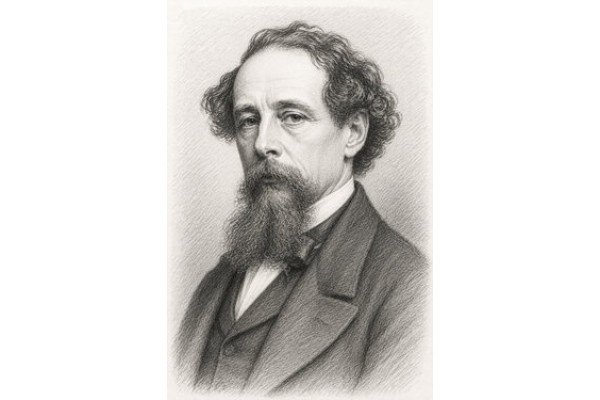
Charles Dickens transformed the Victorian novel into a powerful reflection of everyday life, giving a voice to the poor, the forgotten, and the disadvantaged. Born in Portsmouth, England, in 1812, he experienced financial hardship during his childhood, an experience that deeply influenced his writing. Explore Charles Dickens books to discover the author's life, literary career, and access notable works, including A Tale of Two Cities, Great Expectations, A Christmas Carol, Oliver Twist , and more.