Somebody's Luggage
by Charles Dickens
A Forgotten Piece of Luggage Opens the Door to Unexpected Stories
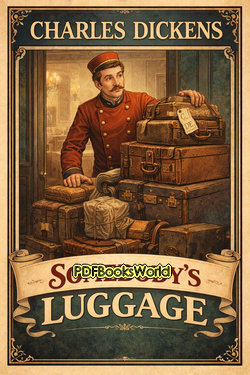
Somebody’s Luggage by Charles Dickens begins with a simple but intriguing idea: a mysterious set of abandoned luggage discovered at an inn. From this curious starting point, Dickens builds a collection of interconnected tales filled with humor, eccentric personalities, emotional reflection, and unusual situations.
Rather than focusing on one continuous dramatic plot, the work unfolds through stories supposedly found among the contents of the forgotten luggage. This structure allows Dickens to move between different moods and storytelling styles while maintaining an atmosphere of curiosity and playful mystery.
The framing device gives readers the feeling of uncovering private worlds hidden inside ordinary objects.
The Mystery of the Luggage Sparks the Narrative
The story begins when unclaimed luggage remains behind at a public house. Curious characters begin examining its contents, discovering manuscripts and stories connected to unknown individuals.
This setup creates an atmosphere shaped by:
- Curiosity about strangers and hidden lives
- The excitement of accidental discovery
- Stories emerging from unexpected places
- The feeling that ordinary objects contain secrets
The luggage itself becomes a symbolic doorway into multiple human experiences and personalities.
Different Stories Bring Variety and Energy
Because the collection contains multiple narratives, the tone changes frequently. Some sections lean toward comedy and satire, while others become more emotional or reflective.
Comic Encounters
Several stories focus on eccentric personalities, awkward situations, and playful misunderstandings.
Emotional Reflection
Other sections explore loneliness, disappointment, or personal memory with greater seriousness.
Social Observation
Dickens continues his habit of noticing the behavior and struggles of ordinary people.
This shifting structure helps keep the collection lively and unpredictable.
Dickens Fills the Pages With Memorable Personalities
Even within shorter pieces, Dickens demonstrates his talent for creating distinctive characters through speech, mannerisms, and emotional detail.
Readers encounter:
- Overconfident talkers and comic eccentrics
- Lonely individuals carrying private sadness
- Ordinary working people navigating daily life
- Characters hiding secrets or emotional disappointments
- Observers fascinated by human behavior
These vivid personalities help the stories feel emotionally alive despite their shorter length.
The Framing Structure Creates a Sense of Mystery
The idea that the stories come from forgotten luggage gives the collection a subtle atmosphere of uncertainty and imagination. Readers are encouraged to wonder about the unknown owner and the lives connected to the discovered manuscripts.
Hidden Histories
The luggage suggests that every stranger may carry untold stories and emotional experiences.
Chance Encounters
Accidental discoveries shape the direction of the narrative.
The Pleasure of Storytelling
The work celebrates curiosity and the joy of listening to unusual tales.
This playful literary structure adds charm to the collection.
The Writing Mixes Humor With Victorian Atmosphere
Dickens moves naturally between comic exaggeration and atmospheric description. Inns, streets, travelers, and everyday Victorian settings appear throughout the stories, grounding even unusual situations in recognizable environments.
The prose often feels conversational and energetic, with moments of theatrical humor balanced by quieter emotional reflection.
This flexibility allows the collection to entertain while still preserving emotional depth.
A Playful Collection Built Around Curiosity and Human Nature
Somebody’s Luggage remains enjoyable because it combines mystery, humor, and storytelling experimentation in a distinctly Dickensian way. Charles Dickens transforms an abandoned set of luggage into a framework for exploring eccentric personalities, hidden emotions, and the unpredictable nature of human life.
Readers interested in Victorian short fiction and character-driven storytelling may especially appreciate the collection’s variety and imaginative structure. Beneath the playful mystery lies a celebration of stories waiting to be discovered in the most unexpected places.
Similar Genres
About the Author
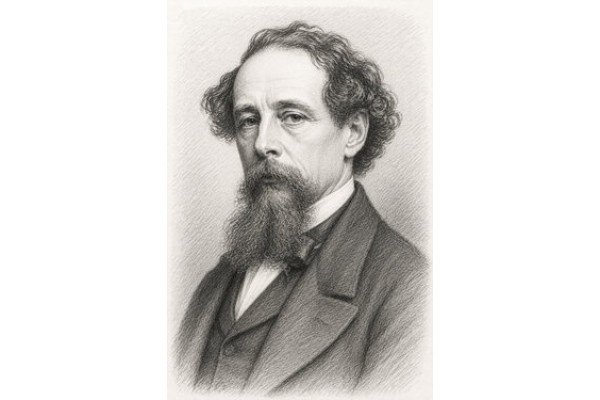
Charles Dickens transformed the Victorian novel into a powerful reflection of everyday life, giving a voice to the poor, the forgotten, and the disadvantaged. Born in Portsmouth, England, in 1812, he experienced financial hardship during his childhood, an experience that deeply influenced his writing. Explore Charles Dickens books to discover the author's life, literary career, and access notable works, including A Tale of Two Cities, Great Expectations, A Christmas Carol, Oliver Twist , and more.