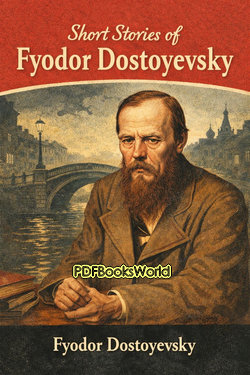
Short Stories of Fyodor Dostoyevsky
by Fyodor Dostoyevsky
Inside the Brilliant and Unsettling World of Dostoevsky’s Short Stories
Some books entertain readers for a few hours. Others challenge the way people think about life, morality, loneliness, and human nature. Short Stories by Fyodor Dostoevsky belongs to the second category.
This remarkable collection brings together several memorable tales from one of Russia’s greatest literary minds. Each story explores deep emotions, moral struggles, strange situations, and the hidden complexities of ordinary people.
Although the stories vary in tone and subject, they all carry Dostoevsky’s signature style: psychological depth, emotional intensity, and sharp observations about society.
What Makes This Collection Unique?
Unlike a traditional novel with one continuous storyline, this collection presents different characters and situations in each story. Some tales are emotional and tragic, while others are darkly humorous or deeply philosophical.
The collection includes stories such as:
- An Honest Thief
- A Novel in Nine Letters
- An Unpleasant Predicament
- The Heavenly Christmas Tree
- The Crocodile
- The Dream of a Ridiculous Man
Together, these stories create a fascinating portrait of human weakness, kindness, pride, suffering, and redemption.
The Human Mind at the Center of Every Story
Dostoevsky was famous for exploring psychology long before modern psychology became a scientific field. His characters often wrestle with guilt, fear, loneliness, confusion, and moral conflict.
Readers encounter people who:
- Struggle with poverty and despair
- Feel isolated from society
- Search for meaning in life
- Make destructive choices
- Long for forgiveness or understanding
Even minor characters often feel emotionally realistic because Dostoevsky focuses so carefully on their thoughts and emotions.
Highlights From the Collection
An Honest Thief
This emotional story explores guilt, compassion, and human weakness through the relationship between a poor man and a troubled thief. The story examines how kindness can affect even deeply flawed individuals.
The Crocodile
One of the strangest stories in the collection, this satirical tale involves a man swallowed by a crocodile while people around him react with absurd calmness. Beneath the humor lies criticism of bureaucracy and social vanity.
The Dream of a Ridiculous Man
Often considered one of Dostoevsky’s philosophical masterpieces, this story follows a man who loses faith in humanity before experiencing a powerful dream that changes his understanding of life.
Major Themes Throughout the Stories
Loneliness and Isolation
Many characters feel disconnected from the world around them. Dostoevsky frequently explores the emotional pain of loneliness and the human desire for connection.
Moral Conflict
The stories rarely present simple heroes or villains. Instead, readers encounter morally complicated individuals struggling with difficult decisions.
Compassion and Redemption
Even in dark situations, moments of kindness and forgiveness often appear. Dostoevsky believed human beings could still find hope despite suffering.
Social Criticism
Several stories criticize social inequality, bureaucracy, pride, and hypocrisy. The author often exposes the flaws hidden beneath respectable society.
Dostoevsky’s Distinctive Writing Style
Fyodor Dostoevsky writes with emotional intensity and philosophical depth. His storytelling often places readers directly inside the minds of troubled characters.
His style is known for:
- Psychological realism
- Deep emotional conflict
- Philosophical questions
- Dark humor and satire
- Detailed character exploration
Rather than focusing mainly on action, Dostoevsky builds tension through conversations, thoughts, and emotional struggles.
Why Readers Still Admire These Stories
Although these stories were written in the 19th century, many of their themes still feel surprisingly modern. Readers continue to connect with the emotional and psychological challenges faced by the characters.
The collection remains popular because it offers:
- Thought-provoking ideas
- Memorable characters
- Emotional depth
- Social commentary
- Unique storytelling
Students of literature also study Dostoevsky because of his influence on modern psychology, philosophy, and fiction.
An Important Voice in World Literature
Fyodor Dostoevsky is considered one of the greatest writers in literary history. His works influenced major thinkers, philosophers, and novelists across the world.
Writers and scholars continue to admire his ability to examine:
- The complexity of human nature
- The struggle between good and evil
- The search for meaning
- The emotional consequences of suffering
His stories remain powerful because they focus on timeless human experiences.
Final Thoughts
Short Stories by Fyodor Dostoevsky is a rich and compelling collection filled with psychological insight, emotional drama, and philosophical reflection. Whether exploring guilt, loneliness, absurdity, or hope, the stories invite readers to think deeply about the human condition.
For readers interested in classic literature, intellectual fiction, and emotionally powerful storytelling, this collection offers an unforgettable literary experience that continues to resonate across generations.
Similar Genres
About the Author

Fyodor Dostoyevsky stands among the greatest novelists in world literature, celebrated for his profound exploration of the human mind and the moral questions that shape our lives. Born in Moscow in 1821, Dostoyevsky experienced hardship, imprisonment, exile, and financial struggle, experiences that deeply influenced his writing. Explore Fyodor Dostoyevsky books to discover the author's life, literary career, and access notable works, including Crime and Punishment, Notes from the Underground, The Idiot, The Possessed or The Devils , and more.