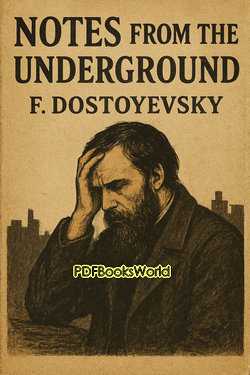
Notes from the Underground
by Fyodor Dostoyevsky
Why Notes from Underground Still Feels Deeply Modern
Notes from Underground by Fyodor Dostoevsky remains one of the most influential psychological novels ever written. First published in the nineteenth century, the book explores loneliness, self-doubt, pride, and the inner conflicts of a man who feels disconnected from society. Although the novel was written long before modern psychology became popular, its emotional intensity and complex ideas continue to feel surprisingly contemporary.
Readers interested in the literary importance of Dostoevsky’s work can explore Encyclopaedia Britannica.
A Narrator Unlike Traditional Heroes
The novel centers on an unnamed narrator often called the Underground Man. He lives alone, isolates himself from society, and constantly struggles with anger, insecurity, and frustration. Unlike traditional literary heroes, he is deeply flawed and often contradicts himself. His thoughts move between intelligence, bitterness, honesty, and self-destruction.
This unusual style makes the novel feel personal and psychologically realistic. Readers are placed directly inside the narrator’s mind, experiencing his fears, regrets, and emotional confusion as he reflects on his past and present life.
The Birth of Psychological Fiction
Many literary scholars consider Notes from Underground one of the earliest psychological novels. Dostoevsky focuses less on external action and more on the hidden emotions and thoughts that shape human behavior. The narrator constantly analyzes himself, even when doing so causes pain and humiliation.
The novel examines how people sometimes act against their own interests simply to protect their pride or prove their independence. These ideas later influenced existential philosophy and modern psychological literature.
For literary analysis and chapter summaries, readers can visit SparkNotes.
The Novel’s Major Themes
One reason the book remains important is its exploration of timeless emotional struggles. The narrator feels trapped between wanting human connection and rejecting the society around him. His isolation slowly becomes emotional and psychological imprisonment.
Dostoevsky also questions the idea that human beings are always rational. The Underground Man often makes harmful choices knowingly, simply to exercise his personal freedom. This conflict between logic and emotion gives the novel much of its philosophical power.
Dostoevsky’s Writing Style
The writing style is intense, emotional, and deeply introspective. Dostoevsky allows the narrator’s thoughts to flow in long emotional reflections filled with contradictions and sudden changes in mood. This creates a sense of realism that feels very modern compared to many novels of the same period.
The first section of the book focuses heavily on philosophical ideas and internal conflict, while the second section presents painful memories from the narrator’s earlier life. Together, these sections create a portrait of a man struggling with pride, shame, and loneliness.
Why Modern Readers Still Connect With It
Even though the novel was written in the 1800s, many readers still recognize the narrator’s emotional struggles. Feelings of alienation, anxiety, insecurity, and frustration remain familiar in modern life. The book speaks to readers who have experienced loneliness or conflict between their public identity and private thoughts.
The novel also continues to attract students of philosophy, literature, and psychology because of its exploration of free will and human behavior. Its ideas influenced later thinkers such as Nietzsche, Kafka, Sartre, and Camus.
A Lasting Literary Legacy
More than a century after its publication, Notes from Underground remains one of the most powerful explorations of the human mind in world literature. Its emotional honesty, philosophical depth, and psychological realism helped shape modern fiction and existential thought. Dostoevsky’s unforgettable narrator continues to challenge readers with uncomfortable questions about identity, freedom, and the hidden contradictions inside human nature.
Similar Genres
About the Author

Fyodor Dostoyevsky stands among the greatest novelists in world literature, celebrated for his profound exploration of the human mind and the moral questions that shape our lives. Born in Moscow in 1821, Dostoyevsky experienced hardship, imprisonment, exile, and financial struggle, experiences that deeply influenced his writing. Explore Fyodor Dostoyevsky books to discover the author's life, literary career, and access notable works, including Crime and Punishment, The Idiot, Short Stories of Fyodor Dostoyevsky, The Possessed or The Devils , and more.