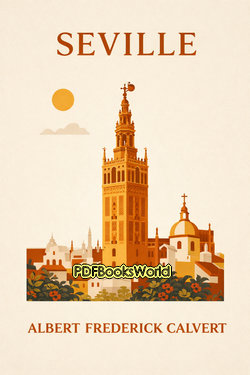
Seville
by Albert Frederick Calvert
History, Architecture, and Cultural Life in Andalusia
Seville by Albert Frederick Calvert is a richly descriptive historical and cultural study exploring the Spanish city of Seville, one of the most influential artistic, commercial, and political centers in Spain’s history. Combining travel writing, architectural appreciation, and historical reflection, the book examines Seville’s streets, cathedrals, palaces, gardens, and traditions while presenting the city as a symbol of Andalusian culture and Spanish heritage.
Calvert portrays Seville not merely as a historic destination, but as a vibrant cultural landscape shaped by centuries of religious, artistic, and imperial influence.
The Historical Importance of Seville
The work traces Seville’s development from Roman and Moorish origins through its rise as a major Christian and commercial center after the Reconquista. During Spain’s imperial age, Seville became one of Europe’s wealthiest cities due to trade with the Americas and its position within global commerce.
Calvert emphasizes how the city absorbed influences from Islamic, Christian, and Mediterranean traditions, creating a distinctive cultural and architectural identity visible throughout its buildings and public spaces.
Rather than treating history as distant and abstract, the book presents Seville’s past as something continuously alive within the atmosphere and character of the city.
Architecture, Art, and Urban Beauty
A major theme throughout the book is admiration for Seville’s artistic and architectural splendor. Calvert describes cathedrals, Moorish palaces, courtyards, towers, and gardens while highlighting their craftsmanship and historical significance.
The work also reflects fascination with Andalusian culture during the late nineteenth and early twentieth centuries. Festivals, music, religious ceremonies, and public life contribute to Seville’s reputation as one of Spain’s most visually and culturally distinctive cities.
At the same time, the narrative celebrates the city’s blend of elegance, color, and historical continuity.
This combination of travel description and cultural interpretation gives the work lasting historical charm.
Historical and Cultural Themes Explored Throughout the Book
- Spanish and Andalusian Identity: Seville reflects major traditions within Spanish history and culture.
- Moorish and Christian Influence: Islamic and Christian civilizations shaped the city’s architecture and atmosphere.
- Art and Architectural Heritage: Historic buildings preserve centuries of craftsmanship and artistic achievement.
- Trade and Imperial Expansion: Seville became a major center of commerce during Spain’s imperial era.
- Urban Beauty and Cultural Tradition: Festivals, music, and public life enrich the city’s identity.
Albert Frederick Calvert’s Descriptive Style
Seville demonstrates Albert Frederick Calvert’s talent for combining historical scholarship with vivid travel description and artistic appreciation. His writing remains atmospheric, informative, and strongly focused upon visual imagery and cultural richness.
Calvert consistently portrays Seville as one of the great artistic and historical cities of Europe.
Why the Book Still Holds Historical Interest
Modern readers continue finding Seville valuable because it preserves detailed impressions of one of Spain’s most important cultural and architectural centers. The book also offers insight into Andalusian history, Spanish artistic traditions, and the appeal of historical travel literature.
Its themes of architecture, cultural identity, religion, urban history, art, and historical preservation continue appealing to readers interested in Spanish history, travel writing, European culture, and architectural heritage.
Similar Genres
About the Author
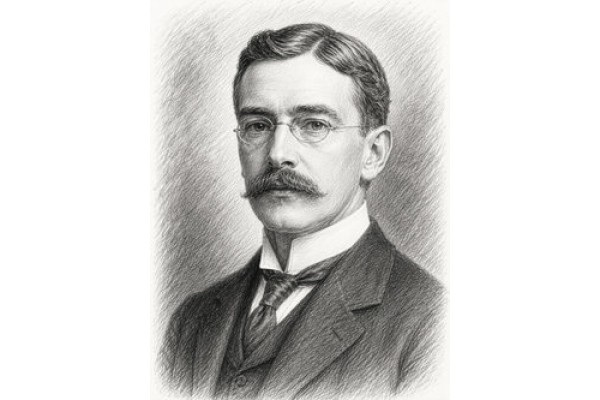
Albert Frederick Calvert was a British author, historian, and travel writer whose works introduced English-speaking readers to the rich history, art, architecture, and cultural heritage of Spain. Born in London in 1872, Calvert devoted much of his career to documenting the country's remarkable monuments, landscapes, and historical traditions through beautifully illustrated books. Explore Albert Frederick Calvert books to discover the author's life, literary career, and access notable works, including The Alhambra, Toledo, Catalonia & The Balearic Islands, Granada and the Alhambra , and more.