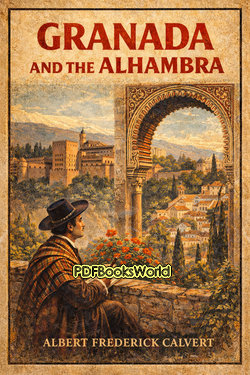
Granada and the Alhambra
by Albert Frederick Calvert
A Rich Portrait of Spain’s Most Famous Moorish Landmark
Granada and the Alhambra by Albert Frederick Calvert is a beautifully descriptive work that explores the history, architecture, and cultural significance of one of Spain’s most celebrated historical sites. Through detailed observations and historical commentary, the book introduces readers to the city of Granada and the remarkable beauty of the Alhambra palace complex.
The work blends travel writing, cultural history, and architectural appreciation, creating an immersive reading experience filled with atmosphere and historical depth. Calvert presents Granada not simply as a destination, but as a living reminder of Spain’s rich Moorish heritage and artistic legacy.
The Beauty and History of the Alhambra
The Alhambra stands as one of the most famous examples of Islamic architecture in Europe. The book carefully describes its courtyards, towers, gardens, halls, and decorative details, allowing readers to imagine the elegance and craftsmanship that made the palace legendary.
Calvert also explores the historical background of Granada and the Moorish civilization that shaped the region for centuries. Discussions of rulers, cultural achievements, and historical conflicts help explain why the Alhambra became both a political center and an artistic masterpiece.
The surrounding city and landscape add further charm to the narrative. Mountain views, narrow streets, and historic neighborhoods create a vivid atmosphere throughout the work.
The Descriptive Style of Albert Frederick Calvert
Albert Frederick Calvert writes with admiration and careful attention to visual detail. His style reflects the elegance of classic travel literature, combining historical explanation with expressive descriptions of architecture and scenery.
The writing remains informative while still creating a strong sense of wonder and appreciation. Readers are guided through historical locations in a way that feels both educational and atmospheric.
Calvert’s enthusiasm for Spanish culture and Moorish artistic achievement is visible throughout the book, giving the narrative warmth and personality.
Main Subjects Covered in the Book
- The architecture and design of the Alhambra
- The history of Moorish Granada
- Spanish cultural and artistic heritage
- The landscapes and atmosphere of southern Spain
Why the Book Continues to Fascinate Readers
Granada and the Alhambra remains valuable because the Alhambra itself continues to be admired as one of the world’s great architectural treasures. Readers interested in Spanish history, Islamic art, and historical travel writing often appreciate the detailed descriptions and cultural insight offered by the book.
The work also captures the fascination many travelers and historians felt toward Andalusia and its Moorish past during the period in which it was written. This historical perspective adds additional interest for modern audiences.
Its combination of history, architecture, and vivid atmosphere gives the book lasting appeal for readers interested in cultural exploration.
Final Thoughts
Granada and the Alhambra by Albert Frederick Calvert is an engaging celebration of one of Spain’s most historic and visually stunning landmarks. Through descriptive writing and historical reflection, the book brings the beauty and cultural importance of Granada and the Alhambra vividly to life.
For readers interested in architecture, Spanish history, and classic travel literature, this work continues to offer both knowledge and inspiration.
Similar Genres
About the Author
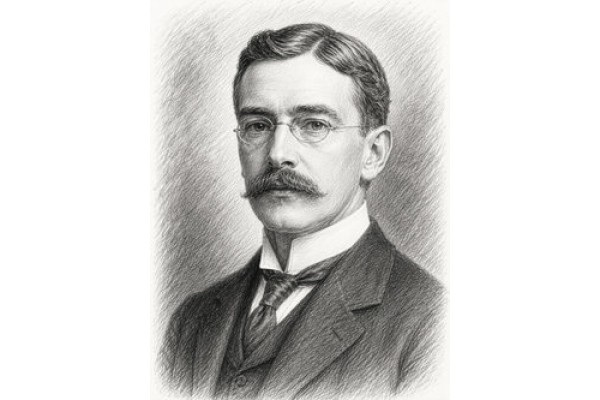
Albert Frederick Calvert was a British author, historian, and travel writer whose works introduced English-speaking readers to the rich history, art, architecture, and cultural heritage of Spain. Born in London in 1872, Calvert devoted much of his career to documenting the country's remarkable monuments, landscapes, and historical traditions through beautifully illustrated books. Explore Albert Frederick Calvert books to discover the author's life, literary career, and access notable works, including The Alhambra, Toledo, Seville, Catalonia & The Balearic Islands , and more.