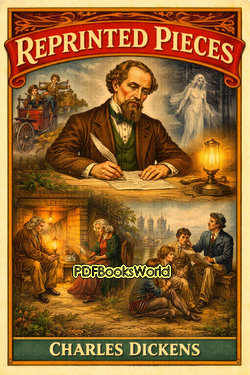
Reprinted Pieces
by Charles Dickens
A Collection of Observations, Memories, and Sharp Victorian Commentary
Reprinted Pieces by Charles Dickens gathers together a wide variety of essays, sketches, travel impressions, reflective writings, and journalistic pieces originally published in newspapers and magazines. Rather than forming one continuous narrative, the collection offers readers a broad look at Dickens’ interests, personality, and observations about society.
The writings move easily between humor and seriousness, often capturing ordinary scenes with vivid detail and emotional energy. Some pieces focus on crowded city streets and working people, while others describe travel experiences, public institutions, or moments of personal reflection.
This variety makes the collection feel lively and constantly changing.
Dickens Observes Everyday Life With Sharp Detail
One of Dickens’ greatest talents was his ability to notice the small habits, expressions, and routines shaping ordinary human life. In these shorter works, that observational skill appears constantly.
Readers encounter scenes involving:
- Busy urban streets and marketplaces
- Travel by road, rail, and sea
- Public celebrations and gatherings
- Workers, entertainers, and ordinary citizens
- Moments of loneliness, humor, and social tension
Even simple situations become memorable through Dickens’ descriptive energy.
The Collection Shifts Between Humor and Social Criticism
Some pieces are playful and comic, while others reveal Dickens’ serious concern about poverty, inequality, and public neglect. This balance between entertainment and moral reflection became central to much of his writing.
Comic Observation
Many essays gently mock human vanity, public behavior, and social absurdities.
Emotional Reflection
Certain pieces focus on memory, loss, or the emotional atmosphere of particular places.
Concern for Social Conditions
Dickens repeatedly highlights the struggles faced by poor and vulnerable people.
This variety prevents the collection from feeling repetitive.
Travel Writing Adds Movement and Atmosphere
Several pieces draw from Dickens’ experiences traveling through England and abroad. Rather than simply listing facts about locations, he focuses on atmosphere, personality, and emotional impression.
The travel sections often emphasize:
- The changing character of cities and towns
- Strange encounters during journeys
- The rhythms of railway and sea travel
- Historical buildings and public spaces
- The contrast between wealth and poverty
These observations help preserve vivid images of nineteenth-century life.
The Writing Style Feels Energetic and Personal
Unlike highly formal essays, many of the pieces feel conversational and immediate. Dickens writes with strong personality, often sounding as though he is guiding readers directly through a scene or sharing private impressions.
His prose frequently includes:
Vivid Descriptive Language
Settings and characters are painted with lively visual detail.
Humorous Exaggeration
Comic scenes often become larger and more theatrical through playful narration.
Emotional Warmth
Even critical observations are balanced by sympathy and humanity.
This approachable style helps the collection remain engaging.
The Pieces Reflect Victorian Society in Motion
Together, the essays create a portrait of Victorian England during a period of rapid social and industrial change. Cities were expanding, transportation was transforming travel, and public debate about poverty and reform was growing increasingly visible.
Dickens captures these changes through direct observation rather than abstract political discussion. His attention remains focused on how ordinary people experience the world around them.
This human-centered perspective gives the collection historical value alongside its literary appeal.
A Rich Showcase of Dickens Beyond the Novel Form
Reprinted Pieces remains valuable because it reveals Charles Dickens working outside the structure of long fiction while still displaying the qualities that made him famous: vivid description, emotional insight, humor, and social awareness.
Readers interested in Victorian culture, literary journalism, and observational writing may especially enjoy the collection’s variety and energy. Beneath its shifting subjects lies a consistent fascination with human behavior and the emotional life of everyday society.
Similar Genres
About the Author
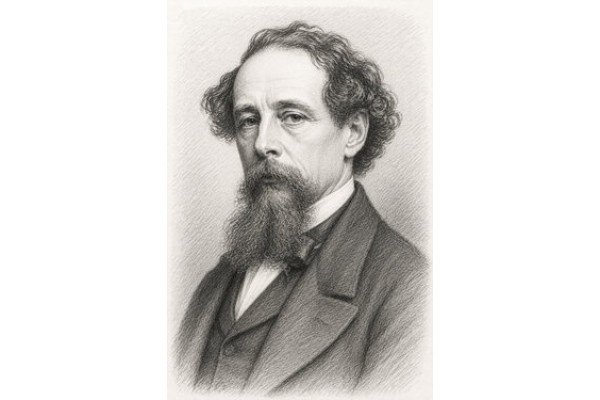
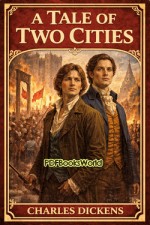
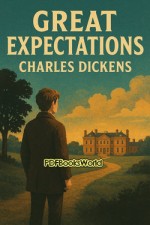
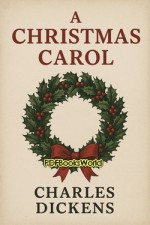
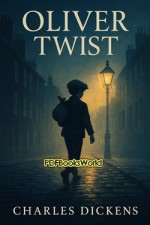
Charles Dickens transformed the Victorian novel into a powerful reflection of everyday life, giving a voice to the poor, the forgotten, and the disadvantaged. Born in Portsmouth, England, in 1812, he experienced financial hardship during his childhood, an experience that deeply influenced his writing. Explore Charles Dickens books to discover the author's life, literary career, and access notable works, including A Tale of Two Cities, Great Expectations, A Christmas Carol, Oliver Twist , and more.