Political Ideals
by Bertrand Russell
Freedom, Justice, and the Moral Foundations of Society
Political Ideals by Bertrand Russell is a concise yet influential philosophical work exploring the ethical principles that should guide political systems and social organization. Written during the upheaval of the early twentieth century, the book examines liberty, power, education, labor, democracy, and the relationship between the individual and the state.
Russell approaches politics not merely as a struggle for authority, but as a moral question concerning human happiness, creativity, and freedom.
A Vision Beyond Power Politics
The book argues that political institutions should exist primarily to support human development rather than simply preserve order or protect economic interests.
Russell criticizes systems that encourage fear, competition, militarism, and rigid obedience while suppressing individuality and intellectual independence.
Instead, he advocates social arrangements allowing people greater opportunity for creative work, education, emotional fulfillment, and personal liberty.
Although deeply concerned with justice and economic fairness, Russell also warns against excessive state control and authoritarian political systems.
His political philosophy therefore seeks balance between collective cooperation and individual freedom.
The Ideas Shaping Russell’s Political Philosophy
- Liberty and Individual Development: Human beings require freedom in order to think, create, and live meaningfully.
- Democracy and Social Cooperation: Political systems should encourage participation, fairness, and shared responsibility.
- Education and Intellectual Independence: Russell views education as essential for both personal growth and healthy democracy.
- Critique of Militarism and Authority: Fear-based systems damage creativity, peace, and moral progress.
Russell consistently evaluates political institutions according to their effects on ordinary human life and wellbeing.
Politics as a Moral and Human Question
One of the book’s strongest ideas is that politics should be judged not only by efficiency or national power, but by its ability to support human flourishing. Russell believes societies become healthier when they encourage curiosity, compassion, creativity, and intellectual freedom rather than conformity and fear.
The book repeatedly questions systems organized primarily around competition, economic domination, or military strength.
Russell argues that meaningful freedom requires both political liberty and social conditions allowing individuals genuine opportunity and dignity.
This humane perspective gives the work lasting philosophical significance.
Major Themes Running Through the Work
- Freedom and Human Creativity: Political systems should nurture independent thought and personal fulfillment.
- Justice and Social Responsibility: Societies must balance individual liberty with fairness and cooperation.
- Education and Democratic Health: Intellectual independence strengthens both individuals and political institutions.
- Peace and Opposition to Militarism: Russell warns against fear-driven politics and aggressive nationalism.
Russell’s Clear and Accessible Political Thought
Political Ideals demonstrates Bertrand Russell’s extraordinary ability to explain philosophical and political concepts with clarity and elegance. Though intellectually rigorous, the work remains accessible because Russell writes with directness and moral sincerity.
He avoids rigid ideology and instead focuses on practical ethical principles capable of improving human life.
The result feels reflective, humane, and deeply engaged with the moral responsibilities of political society.
Why the Book Still Matters Today
Modern readers continue finding Political Ideals relevant because its themes remain central to contemporary debates about democracy, freedom, education, inequality, and political power.
Russell’s warnings about authoritarianism, militarism, and systems suppressing individuality continue resonating strongly in modern political discussions.
For readers interested in political philosophy, democratic theory, ethics, and humanistic approaches to society and government, this work remains concise, thoughtful, and profoundly influential.
Similar Genres
About the Author
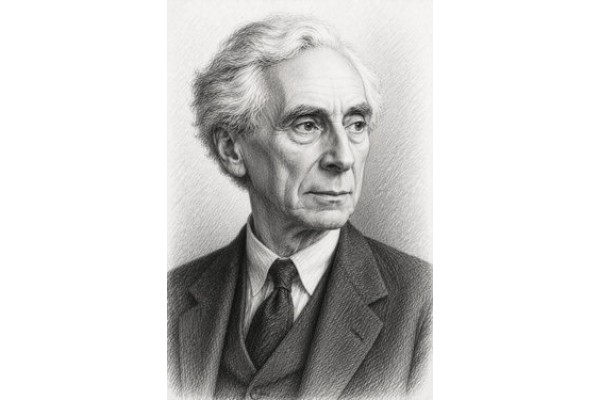
Bertrand Russell was one of the twentieth century's most influential philosophers, mathematicians, and public intellectuals. Born in Wales in 1872, he devoted his life to the pursuit of knowledge, using clear reasoning and careful analysis to examine some of humanity's most important questions. Explore Bertrand Russell books to discover the author's life, literary career, and access notable works, including Mysticism and Logic and Other Essays, The Problems of Philosophy, The Analysis of Mind, Proposed Roads to Freedom , and more.