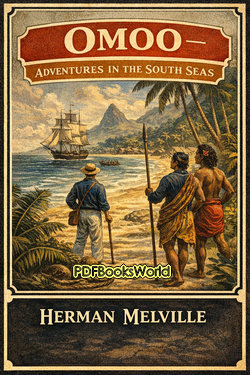
Omoo - Adventures in the South Seas
by Herman Melville
Desertion, Wandering, and Freedom Across the South Pacific
Omoo: Adventures in the South Seas by Herman Melville continues the Pacific journey that began in Typee, blending travel narrative, maritime adventure, satire, and cultural observation. Drawing heavily from Melville’s own experiences, the novel follows wandering sailors moving through islands, ports, beaches, and colonial settlements while searching for freedom and escape from authority.
The tone is often lighter and more playful than some of Melville’s darker later works, yet beneath the adventure lies sharp criticism of colonial systems, social hypocrisy, and institutional control.
Life After Escape
The story begins after the narrator leaves the island world of Typee and joins new companions in the South Pacific. Alongside the cheerful and rebellious Dr. Long Ghost, he wanders through Tahiti and neighboring islands after deserting from another difficult shipboard existence.
Their travels lead them into encounters with sailors, missionaries, colonial officials, island communities, and wandering expatriates.
Rather than following a tightly structured plot, the novel moves episodically through adventures, arguments, humorous incidents, and observations about life in the Pacific.
This wandering structure reflects the restless freedom sought by the narrator himself.
The Travelers and Islanders Within the Narrative
- The Narrator
A curious and independent sailor seeking freedom from rigid authority and harsh labor. - Dr. Long Ghost
A witty and eccentric companion whose humor and rebellion shape much of the novel’s energy. - The Islanders
Communities portrayed with fascination, sympathy, and cultural complexity. - Missionaries and Colonial Authorities
Figures representing discipline, control, and foreign influence within the Pacific islands.
Melville balances humor and adventure with thoughtful observation about cultural encounter and power.
A Pacific World Between Freedom and Control
One of the novel’s central tensions lies between the apparent freedom of island life and the growing influence of Western colonial systems and missionary authority.
Melville often portrays European and American intervention critically, suggesting that imported systems of morality and discipline disrupt local cultures and individual independence.
The islands themselves appear beautiful and vibrant, yet increasingly shaped by outside political and religious influence.
This tension gives the novel deeper social and philosophical significance beneath its adventurous surface.
Major Themes Running Through the Novel
- Freedom and Rebellion
The characters repeatedly resist authority, discipline, and institutional control. - Cultural Encounter
Melville explores fascination, misunderstanding, and conflict between different societies. - Colonial Criticism
The novel questions the moral impact of imperial expansion and missionary activity. - Wandering and Restlessness
Movement itself becomes part of the narrator’s search for meaning and independence.
Melville’s Expanding Literary Vision
Omoo helped establish Melville’s reputation following the success of Typee. While still accessible and adventurous, the novel already shows his growing interest in social criticism, moral ambiguity, and philosophical reflection.
Melville combines lively storytelling with careful observation, creating scenes filled with humor, beauty, tension, and emotional unpredictability.
The relaxed narrative structure allows the Pacific world itself to become the novel’s true center.
Why Readers Still Enjoy the Novel
Modern readers continue appreciating Omoo because it combines adventure, humor, travel writing, and social critique in a way that remains engaging and vivid.
The novel also feels modern in its skepticism toward authority and its criticism of cultural domination. Melville repeatedly questions assumptions about civilization, morality, and progress.
For readers interested in maritime fiction, South Pacific adventure, and literary travel narratives, this novel remains lively, thoughtful, and richly atmospheric.
Similar Genres
About the Author

Herman Melville stands among the greatest voices in American literature, celebrated for novels that combine thrilling adventures with profound reflections on humanity, nature, and destiny. Born in New York City in 1819, Melville spent several years at sea, experiences that became the foundation of many of his most memorable works. Explore Herman Melville books to discover the author's life, literary career, and access notable works, including Moby Dick or The Whale, Israel Potter - His Fifty Years of Exile, John Marr and Other Sailors, Mardi - and A Voyage Thither, Vol. II , and more.