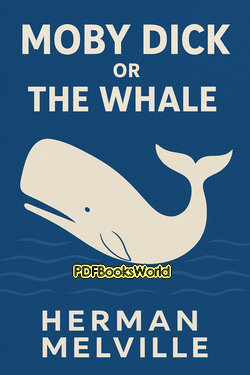
Moby Dick or The Whale
by Herman Melville
The Epic Sea Adventure That Still Captivates Readers Today
Moby-Dick; or, The Whale is one of the greatest adventure novels in American literature. Written by Herman Melville and first published in 1851, the story combines action, mystery, philosophy, and deep human emotions.
The novel follows the dangerous journey of a whaling ship called the Pequod. Led by the obsessed Captain Ahab, the crew sails across the ocean in search of the giant white whale known as Moby Dick. The novel explores powerful themes such as revenge, obsession, fate, and the struggle between humans and nature.
Story Summary
The story begins with Ishmael, a young sailor looking for adventure at sea. He joins a whaling ship called the Pequod and becomes friends with a skilled harpooner named Queequeg.
Soon, the crew discovers that Captain Ahab has a secret mission. Instead of simply hunting whales for business, Ahab is determined to find and destroy Moby Dick, the massive white whale that previously destroyed his leg.
As the voyage continues, Ahab’s obsession grows stronger. He ignores danger, warnings, and the safety of his crew. The sailors travel through storms and difficult seas while searching for the legendary whale.
Finally, the Pequod finds Moby Dick. A fierce battle takes place between the whale and the crew. In the end, the whale destroys the ship, and nearly everyone dies. Ishmael survives by floating alone in the sea until he is rescued.
Main Characters
-
Ishmael
The narrator of the story and a thoughtful sailor searching for adventure and meaning in life. -
Captain Ahab
The determined captain of the Pequod who becomes dangerously obsessed with hunting Moby Dick. -
Queequeg
A brave and skilled harpooner who becomes Ishmael’s loyal friend. -
Moby Dick
The giant white whale that symbolizes mystery, power, and nature itself. -
Starbuck
The first mate of the Pequod who often questions Ahab’s dangerous decisions.
Major Themes
-
Obsession and Revenge
Captain Ahab’s desire for revenge slowly controls his entire life. -
Man vs. Nature
The novel shows the struggle between human ambition and the power of nature. -
Fate and Destiny
Many characters wonder whether their lives are controlled by fate. -
Friendship and Loyalty
The friendship between Ishmael and Queequeg brings warmth to the difficult journey. -
The Limits of Knowledge
The story explores how humans cannot fully understand the mysteries of life and nature.
Why Readers Still Love the Novel
Readers continue to admire Moby-Dick because it is much more than a whale-hunting story. The novel mixes adventure with deep ideas about human nature, fear, ambition, and survival.
Captain Ahab’s obsession and the mysterious image of the white whale remain unforgettable symbols in world literature.
Lessons from the Story
- Obsession can destroy both individuals and those around them.
- Nature is powerful and cannot always be controlled.
- Friendship can provide hope during difficult times.
- Human knowledge has limits.
Final Thoughts
Moby-Dick remains one of the most important novels ever written. Herman Melville created a timeless story filled with adventure, danger, emotion, and philosophical depth. Even today, readers around the world continue to be fascinated by Captain Ahab’s hunt for the mysterious white whale.
Similar Genres
About the Author
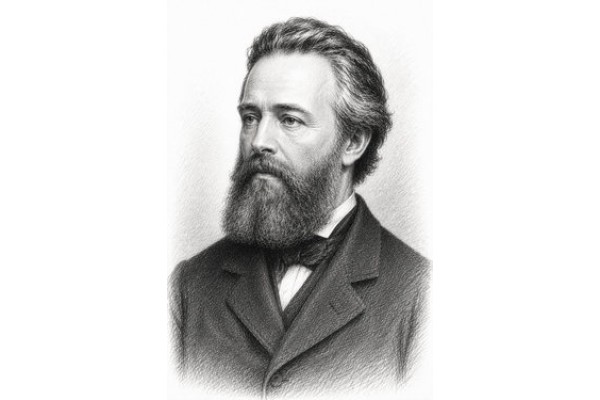
Herman Melville stands among the greatest voices in American literature, celebrated for novels that combine thrilling adventures with profound reflections on humanity, nature, and destiny. Born in New York City in 1819, Melville spent several years at sea, experiences that became the foundation of many of his most memorable works. Explore Herman Melville books to discover the author's life, literary career, and access notable works, including Israel Potter - His Fifty Years of Exile, John Marr and Other Sailors, Mardi - and A Voyage Thither, Vol. II, Mardi - and A Voyage Thither, Vol. I , and more.