
Notre-Dame De Paris
by Victor Hugo
A Powerful Historical Novel About Love, Fate, and Medieval Paris
Notre-Dame De Paris by Victor Hugo is one of the greatest masterpieces of French literature. First published in 1831, the novel is set in fifteenth-century Paris and centers around the famous cathedral of Notre-Dame, where the lives of several unforgettable characters become tragically connected.
The story combines romance, social criticism, historical detail, and emotional drama while exploring themes of beauty, injustice, obsession, and compassion. Hugo used the novel to celebrate medieval architecture and preserve interest in Gothic art and medieval European culture.
About the Author
Victor Hugo was a French novelist, poet, playwright, and political thinker widely regarded as one of the greatest writers of the nineteenth century.
His works often explored social inequality, justice, love, and human suffering while combining emotional storytelling with historical and political insight.
Main Themes of the Novel
The novel follows the lives of Quasimodo, the deformed bell-ringer of Notre-Dame; Esmeralda, a kind-hearted young dancer; and Claude Frollo, a troubled archdeacon consumed by obsession.
Important Themes Discussed
- Love, obsession, and jealousy
- Justice, cruelty, and social prejudice
- Beauty and inner humanity
- Fate, tragedy, and compassion
Hugo also explores how society judges individuals based on appearance, status, and fear rather than understanding and kindness.
The Tragic World Around Notre-Dame
At the center of the story stands the cathedral itself, symbolizing both spiritual greatness and the passage of history. Hugo carefully describes medieval Paris, its streets, traditions, and social divisions.
The emotional conflict between the main characters leads to heartbreak, sacrifice, and tragedy while revealing the complexity of human emotion and moral weakness.
What Makes the Novel Unique
- Rich historical and architectural detail
- Deep emotional and social themes
- Memorable tragic characters and dramatic storytelling
Writing Style
Hugo’s writing style is poetic, descriptive, and emotionally intense. He combines vivid imagery with philosophical reflection and dramatic narrative.
The detailed descriptions of Paris and Notre-Dame Cathedral create a powerful sense of atmosphere and historical realism.
Historical Importance
Notre-Dame De Paris became one of the defining works in the history of French Romantic literature and architectural preservation. The novel helped inspire public interest in restoring the Notre-Dame Cathedral during the nineteenth century.
Historical Features
- Major influence on Romantic literature
- Revival of interest in Gothic architecture
- Powerful social and historical commentary
The novel also reflected Hugo’s concern for marginalized individuals and cultural heritage.
Lessons for Modern Readers
Modern readers continue to appreciate the novel because of its emotional depth, historical richness, and timeless themes of compassion and injustice.
The story also encourages reflection on prejudice, human dignity, and the importance of preserving art, history, and cultural identity.
Conclusion
Notre-Dame De Paris by Victor Hugo remains a timeless masterpiece of historical fiction and emotional storytelling. Through unforgettable characters and vivid portrayal of medieval Paris, Hugo created a novel that continues to inspire readers around the world.
Similar Genres
About the Author
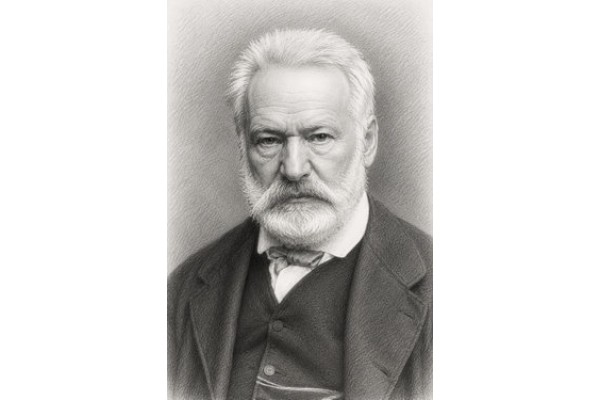
Victor Hugo was one of France's greatest literary figures, renowned for his epic novels, powerful poetry, and passionate advocacy for justice and human dignity. Born in Besançon in 1802, Hugo became a leading voice of the Romantic movement, combining extraordinary imagination with a deep concern for the social and political issues of his time. Explore Victor Hugo books to discover the author's life, literary career, and access notable works, including Les Miserables, Poems, Hans of Iceland, Vol. 1 of 2, Hans of Iceland, Vol. 2 of 2 , and more.