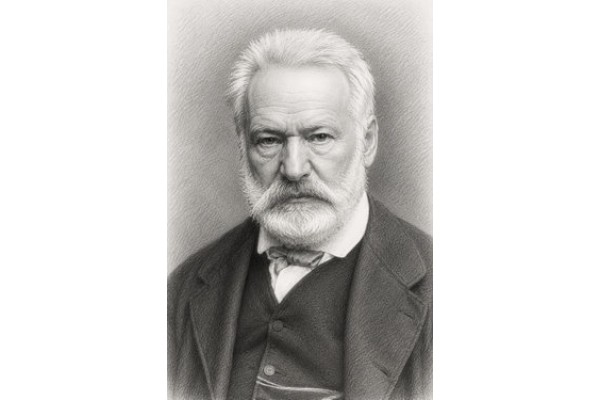
A Powerful Story of Justice, Redemption, and Humanity
Les Misérables is one of the most influential novels written by Victor Hugo. First published in 1862, the novel combines historical fiction, emotional drama, and social commentary to create a deeply moving exploration of human suffering, compassion, and redemption. Set in nineteenth-century France, the story examines poverty, justice, morality, and the struggles faced by ordinary people during a time of political unrest and social inequality.
Introduction to the Novel
The story follows Jean Valjean, a former prisoner who spends nineteen years in prison after stealing bread and attempting multiple escapes. Even after his release, society continues to reject him because of his criminal past. His life changes when Bishop Myriel shows him unexpected kindness and forgiveness, inspiring Valjean to rebuild himself as a better man.
As Valjean attempts to live honestly, he remains relentlessly pursued by Inspector Javert, a strict police officer who believes that justice must always be enforced without compromise. Their conflict becomes one of the novel’s central emotional and philosophical struggles.
Memorable Characters and Emotional Depth
Victor Hugo fills the novel with unforgettable characters whose lives become connected through suffering, sacrifice, and hope. Fantine represents the hardships faced by vulnerable women in society, while Cosette symbolizes innocence and renewal. Marius introduces themes of youthful idealism and revolution, and Gavroche adds courage and emotional humanity to the story.
The cruel Thénardiers provide a sharp contrast to the compassion shown by characters such as Valjean and the Bishop. Through these individuals, Hugo explores both the cruelty and kindness that exist within society.
Themes Explored in Les Misérables
The novel examines many timeless themes including justice, mercy, poverty, sacrifice, forgiveness, and moral responsibility. Victor Hugo questions whether strict law alone can create a fair society, especially when poverty and inequality force people into desperate situations.
The story also explores redemption through Jean Valjean’s transformation from a hardened prisoner into a compassionate and selfless individual. His journey demonstrates how kindness and understanding can completely change a person’s life.
Historical and Social Importance
Beyond its emotional narrative, Les Misérables provides a detailed portrait of French society during the nineteenth century. Hugo addresses social inequality, political unrest, corruption, and the suffering of the poor while also depicting revolutionary movements and public resistance.
Because of its combination of personal drama and social criticism, the novel is considered one of the greatest literary achievements in world literature. Its themes continue to inspire discussions about justice, compassion, and social reform.
Why Modern Readers Still Connect With The Novel
Modern readers continue to appreciate the novel because its emotional and social themes remain highly relevant today. Questions about inequality, forgiveness, social responsibility, and the treatment of vulnerable people still resonate in contemporary society.
The novel’s emotional storytelling and richly developed characters also allow readers from different generations to form strong personal connections with the story.
Cultural Influence and Adaptations
The influence of Les Misérables extends far beyond literature. The novel has inspired numerous films, television adaptations, stage productions, and one of the most successful musicals ever created.
Its characters, themes, and emotional moments continue to shape modern storytelling and remain recognized by audiences around the world.
Final Thoughts
Les Misérables remains a timeless masterpiece that combines emotional storytelling with profound social and philosophical ideas. Through the unforgettable journey of Jean Valjean and the lives of those around him, Victor Hugo created a novel that continues to inspire readers more than a century after its publication.
For readers interested in classic literature, historical fiction, and emotionally powerful storytelling, this novel remains an essential and unforgettable reading experience.