Hans of Iceland, Vol. 2 of 2
by Victor Hugo
A Powerful Continuation of Victor Hugo’s Gothic Romance and Political Drama
Hans of Iceland, Vol. 2 by Victor Hugo continues the dark and emotionally intense narrative introduced in the first volume, deepening the novel’s atmosphere of mystery, violence, and political intrigue. As the story progresses, hidden motives, dangerous confrontations, and personal tragedies emerge with greater force, revealing the full emotional and dramatic scope of Hugo’s early Romantic imagination.
Set against bleak northern landscapes and a society troubled by unrest and corruption, the novel combines Gothic terror with romantic devotion and political conflict. The feared figure of Hans remains central to the growing atmosphere of fear and uncertainty surrounding the characters.
The work blends suspense, emotional intensity, and dramatic revelation within a richly Gothic setting.
Conflict, Revelation, and Emotional Crisis
The second volume intensifies the struggles faced by the central characters as political conspiracies and personal dangers become increasingly connected. Hidden relationships and long-buried secrets begin to emerge.
Hans: The savage and mysterious outcast whose violent actions and tragic history continue shaping the emotional and political chaos of the story.
Ordener Guldenlew: The noble and determined young hero whose loyalty and courage are tested through dangerous encounters and emotional hardship.
The atmosphere grows darker as the narrative moves toward confrontation, revenge, and dramatic resolution. The emotional stakes increase through love, betrayal, sacrifice, and fear.
The harsh wilderness and isolated settings continue to heighten the Gothic tension of the novel.
The Dramatic Style of Victor Hugo
Victor Hugo writes with passionate intensity, vivid imagery, and emotional grandeur. His prose emphasizes dramatic contrasts between innocence and violence, beauty and horror, civilization and savagery.
The language reflects Romantic literary traditions where emotional extremes and powerful natural settings formed essential parts of storytelling.
Hugo’s energetic imagination gives the narrative both theatrical force and poetic atmosphere.
Main Themes and Gothic Elements
The novel explores themes of revenge, justice, love, political corruption, suffering, isolation, fear, and redemption. It also reflects Romantic fascination with tragic figures living outside ordinary society.
Through emotional conflict and Gothic suspense, the narrative examines how violence and injustice shape both individuals and nations.
Why the Novel Still Holds Interest
Hans of Iceland remains historically and literarily important because it reveals the early development of Victor Hugo’s dramatic storytelling style. Readers interested in Gothic and Romantic fiction often appreciate the novel’s emotional intensity and vivid atmosphere.
The second volume especially demonstrates Hugo’s talent for combining political conflict with personal tragedy and emotional spectacle.
Its dark imagery and dramatic momentum continue to make the story compelling.
The Lasting Importance of Victor Hugo’s Early Fiction
Although written before Hugo’s greatest masterpieces, Hans of Iceland already contains many qualities that later defined his literary reputation: sympathy for outsiders, fascination with social injustice, emotional grandeur, and vivid descriptive power.
Romantic Gothic fiction of this period strongly influenced European literature through its emphasis on atmosphere, emotion, and dramatic conflict.
The continuing admiration for Victor Hugo and nineteenth-century Romanticism helps preserve interest in works like this.
Final Thoughts
Hans of Iceland, Vol. 2 by Victor Hugo is a dramatic and atmospheric continuation of a Gothic tale filled with mystery, revenge, emotional suffering, and political unrest. Through vivid imagery and passionate storytelling, Hugo creates a powerful narrative exploring fear, justice, and the darker forces shaping human life.
For readers interested in Gothic fiction, Romantic literature, historical drama, and Victor Hugo’s early creative development, this volume remains both intense and memorable.
Similar Genres
About the Author
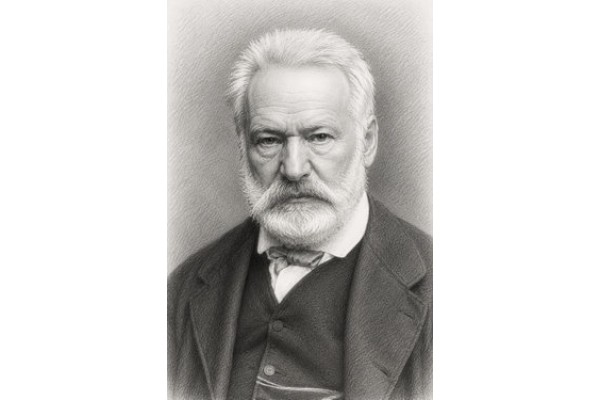
Victor Hugo was one of France's greatest literary figures, renowned for his epic novels, powerful poetry, and passionate advocacy for justice and human dignity. Born in Besançon in 1802, Hugo became a leading voice of the Romantic movement, combining extraordinary imagination with a deep concern for the social and political issues of his time. Explore Victor Hugo books to discover the author's life, literary career, and access notable works, including Les Miserables, Notre-Dame De Paris, Poems, Hans of Iceland, Vol. 1 of 2 , and more.