Mugby Junction
by Charles Dickens
A Railway Station Where Strangers, Secrets, and New Beginnings Meet
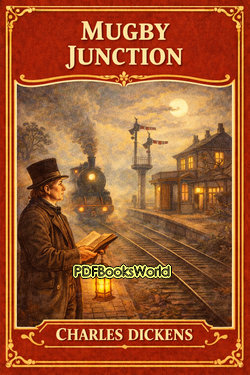
Steam engines, crowded platforms, flickering station lamps, and travelers rushing toward uncertain destinations create the atmosphere of Mugby Junction by Charles Dickens. Set around a busy railway junction, the story captures a world constantly in motion, where lives briefly cross paths before separating again.
Unlike Dickens’ large city novels filled with sprawling plots, this work feels more reflective and episodic. The railway station becomes a symbolic meeting point for loneliness, memory, change, and unexpected human connection.
The arrival of the railways had transformed Victorian society, and Dickens uses this modern setting to explore both emotional isolation and the possibility of personal renewal.
A Man Arrives Hoping to Escape His Past
The central figure, known simply as “Barbox Brothers,” comes to Mugby Junction emotionally exhausted and deeply disappointed with life. After painful personal experiences, he wishes to abandon old memories and disappear into anonymity.
At the station, surrounded by endless arrivals and departures, he encounters people whose lives slowly influence his own outlook. The movement of trains and strangers mirrors his uncertain emotional state.
Instead of dramatic action, the story develops through quiet encounters and gradual emotional change.
The Railway Setting Feels Almost Alive
Dickens turns the station itself into one of the work’s most memorable elements. Mugby Junction is noisy, crowded, confusing, and constantly active.
The setting reflects many aspects of Victorian modern life:
- Rapid travel and industrial change
- The constant movement of people
- The feeling of anonymity in crowded places
- Chance encounters between strangers
- The emotional uncertainty of transition and travel
The railway environment gives the story energy while also emphasizing loneliness and impermanence.
Characters Bring Warmth to an Otherwise Restless World
Although the station appears mechanical and impersonal, Dickens fills the narrative with memorable personalities who add humanity and emotional warmth.
Barbox Brothers
A weary traveler attempting to distance himself from disappointment and emotional pain.
Little Polly
A cheerful and affectionate child whose innocence helps soften the story’s emotional tone.
The Railway Workers
Various station employees provide humor, individuality, and vivid glimpses into railway life.
Through these characters, Dickens contrasts industrial modernity with simple human kindness.
The Story Quietly Explores Emotional Recovery
Beneath the railway setting and shifting encounters lies a deeper emotional journey. Barbox Brothers slowly moves from emotional detachment toward renewed connection with others.
The narrative touches on themes such as:
Loneliness and Isolation
The station reflects the emotional distance many characters feel within modern life.
Unexpected Friendship
Small acts of kindness gradually influence emotional healing.
Second Chances
The story suggests that personal renewal can emerge even after disappointment.
These quieter emotional themes give the work lasting depth.
The Writing Blends Observation With Atmosphere
Dickens writes with strong visual detail, bringing railway travel and station life vividly to life. Sounds, movement, crowds, and changing weather all contribute to the atmosphere.
At the same time, the tone remains reflective rather than overly dramatic. Many scenes focus on conversation, observation, and emotional nuance instead of major plot twists.
This balance between physical detail and emotional reflection helps make the story distinctive among Dickens’ later works.
A Thoughtful Victorian Story About Change and Human Connection
Mugby Junction remains memorable because it transforms an ordinary railway station into a place filled with emotional possibility. Charles Dickens uses the modern world of trains and travel to explore loneliness, memory, kindness, and the quiet ways people influence one another.
Readers interested in Victorian fiction, railway settings, and character-driven storytelling may appreciate the novella’s reflective atmosphere and emotional subtlety. Beneath the noise of engines and crowded platforms lies a deeply human story about movement, loss, and renewal.
About the Author
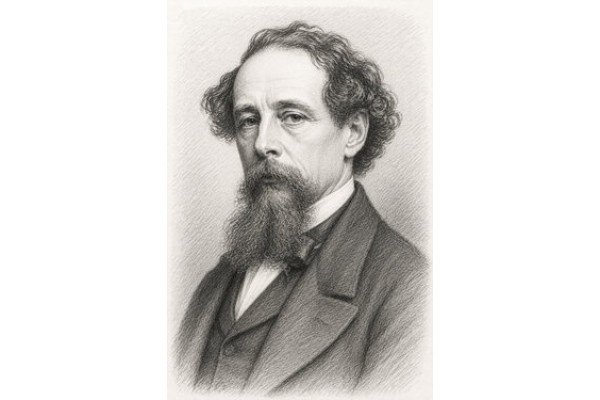
Charles Dickens transformed the Victorian novel into a powerful reflection of everyday life, giving a voice to the poor, the forgotten, and the disadvantaged. Born in Portsmouth, England, in 1812, he experienced financial hardship during his childhood, an experience that deeply influenced his writing. Explore Charles Dickens books to discover the author's life, literary career, and access notable works, including A Tale of Two Cities, Great Expectations, A Christmas Carol, Oliver Twist , and more.